Datacentres drive up big tech’s carbon emissions to a third of those of France
Microsoft, Amazon, and Google's collective carbon emissions have increased by nearly a fifth in the past year, driven largely by datacentre construction. Their emissions have risen to 119m mTCO₂e, or about a third of those of France.
Intelligence analysis by Llama
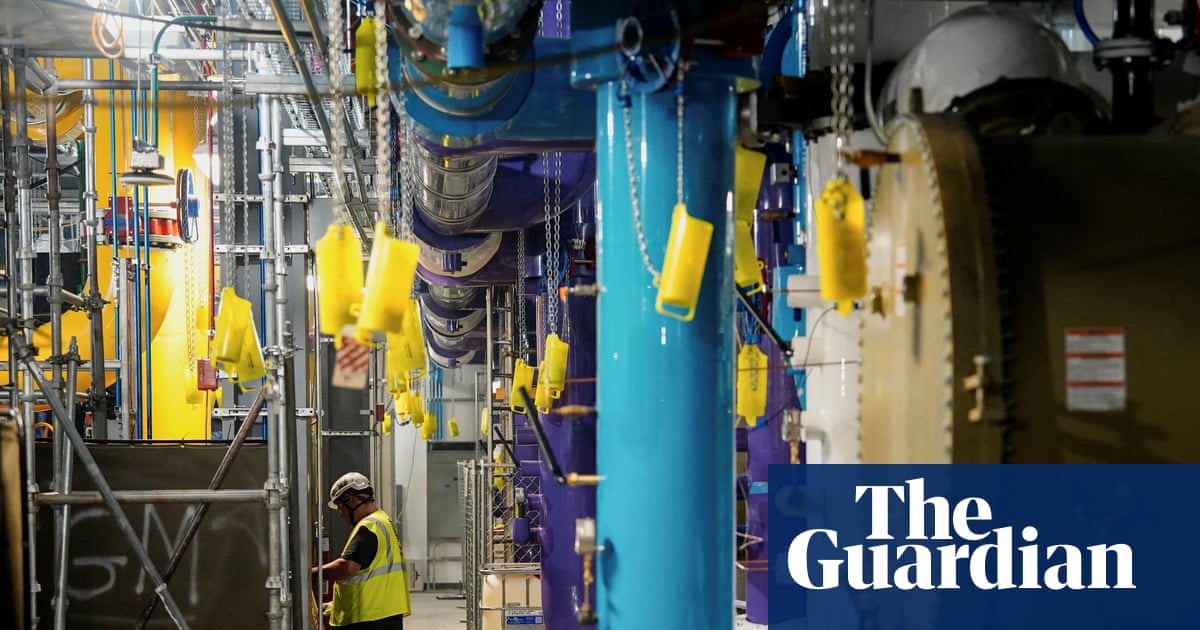
The three tech companies' carbon emissions have increased due to a boom in demand for cloud services, such as storing data or running servers over the internet, related to training and operating chatbots and other AI products. They still aim to achieve net zero emissions, but their current emissions are a significant concern.
Imagine you have a big computer that needs a lot of electricity to run. This computer is used to train and operate chatbots and other AI products. The companies that make these computers, like Microsoft and Google, are building more and more of these computers to meet the growing demand. This is causing a big increase in the amount of electricity they use, which is bad for the environment.
Analysis
A $60B Vote of Confidence in AI's Future
The world's biggest tech companies are on track to spend $765bn (£570bn) this year, mostly on building AI datacentres. This drastic reversal in their push to cut carbon emissions is driven by the growing demand for cloud services, such as storing data or running servers over the internet, related to training and operating chatbots and other AI products. The bulk of these emissions come from a big, global push to build the infrastructure for artificial intelligence.
Why the Datacentre Boom is a Concern
The datacentre boom is accompanied by vast projected power demands. The Uptime Institute estimates that big datacentre projects announced last year would consume 1.3% of the world's electricity usage, or a near-doubling of current datacentre demand. The majority of that new power demand will come from US projects, it said. This significant increase in power demand raises concerns about the environmental impact of these datacentres.
The Road Ahead
Microsoft, Google, and Amazon still say they aim to achieve net zero emissions. However, their current emissions are a significant concern. The companies' climate ambitions have been hit in recent years by a boom in demand for cloud services. Cecilia Rikap, an economics professor at University College London, said: 'Claims by Microsoft, Amazon, and Google about their clouds being ecologically friendly and sustainable are a marketing strategy.'
Key points
- Microsoft, Amazon, and Google's collective carbon emissions have increased by nearly a fifth in the past year, driven largely by datacentre construction.
- The three tech companies' carbon emissions have risen to 119m mTCO₂e, or about a third of those of France.
- The datacentre boom is accompanied by vast projected power demands, with the Uptime Institute estimating that big datacentre projects announced last year would consume 1.3% of the world's electricity usage.
- Microsoft, Google, and Amazon still say they aim to achieve net zero emissions, but their current emissions are a significant concern.
If the tech companies can find ways to reduce their emissions and make their datacentres more energy-efficient, they may be able to meet their net zero emissions goals. This could also lead to the development of new technologies that can help reduce the environmental impact of datacentres.
If the tech companies continue to prioritize growth and profit over sustainability, their emissions could continue to rise, leading to significant environmental damage. This could also undermine their climate ambitions and damage their reputation.