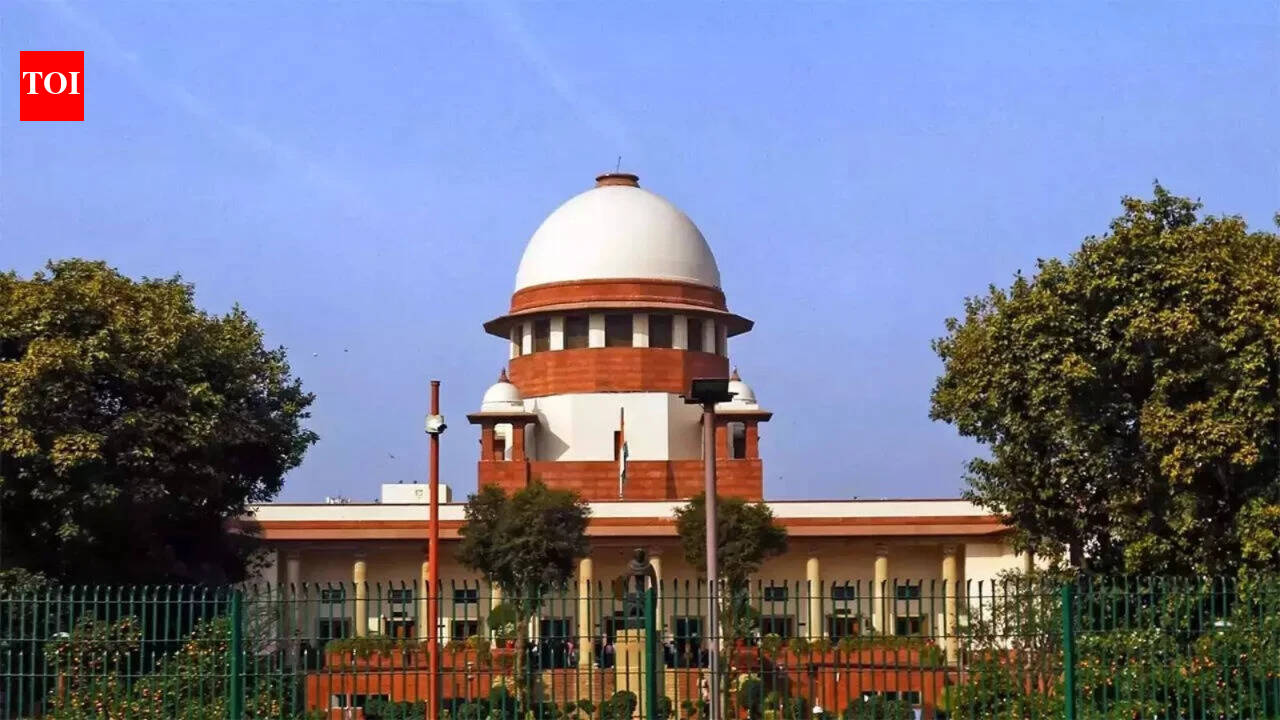
Delhi HC Examines Alleged Abuse of Meta Copyright System to Remove Creator's Videos
A case before the Delhi High Court alleges that Meta's automated copyright enforcement system can be manipulated to remove creators' videos. Financial educator Pushkar Raj Thakur claims that bad actors exploited a loophole in Meta's system by uploading unrelated content a…
Intelligence analysis by Llama

The Delhi High Court is examining a case where Meta's automated copyright enforcement system is alleged to have been manipulated to remove a creator's videos. The case highlights concerns about the misuse of automated copyright enforcement on social media platforms.
Imagine you create a video and upload it to Facebook. But someone else uploads a fake version of your video with an older date. They then use this fake video to claim that you copied their content. This is what happened to Pushkar Raj Thakur, a financial educator who created a video and had it removed from Facebook due to a copyright claim. The court is now examining the case to see if this was a legitimate claim or if someone was trying to manipulate the system.
Analysis
A $60B Vote of Confidence
The case before the Delhi High Court is a stark reminder of the potential for abuse of automated copyright enforcement systems on social media platforms. Financial educator Pushkar Raj Thakur has alleged that bad actors exploited a loophole in Meta's copyright enforcement system by uploading unrelated content and later replacing it with copies of his videos. The actors then allegedly relied on these backdated posts to file copyright claims, triggering Meta's automated enforcement system to remove Thakur's original videos.
The allegations in Thakur's suit echo concerns that creators have raised on other platforms about the misuse of automated copyright enforcement. In June, a post on r/Instagram had creators describing coordinated fake copyright strikes, with users alleging that the claimants later demanded money to withdraw the complaints. YouTube has also acknowledged that copyright enforcement tools can be misused.
The Delhi High Court is examining the case, and Meta has assured the court that the plaintiff's videos will not be taken down on grounds of copyright strikes till the next date of hearing. However, the case highlights the need for social media platforms to implement robust measures to prevent the misuse of automated copyright enforcement systems.
Why Cursor?
The case raises questions about the role of automated copyright enforcement systems in protecting creators' rights. While such systems are meant to protect creators from piracy, they can also be manipulated to do the opposite. The case highlights the need for social media platforms to implement robust measures to prevent the misuse of these systems.
The Road Ahead
The Delhi High Court's examination of the case is a crucial step in addressing the concerns about the misuse of automated copyright enforcement systems. The court's decision will have far-reaching implications for social media platforms and creators alike. If the court rules in favor of Thakur, it could lead to changes in the way social media platforms handle copyright enforcement. However, if the court rules against Thakur, it could set a precedent for the use of automated copyright enforcement systems to remove legitimate content.
Key points
- A case before the Delhi High Court alleges that Meta's automated copyright enforcement system can be manipulated to remove creators' videos.
- Financial educator Pushkar Raj Thakur claims that bad actors exploited a loophole in Meta's system by uploading unrelated content and later replacing it with copies of his videos.
- The court is examining the case to see if this was a legitimate claim or if someone was trying to manipulate the system.
If the court rules in favor of Thakur, it could lead to changes in the way social media platforms handle copyright enforcement. This could result in more robust measures to prevent the misuse of automated copyright enforcement systems, protecting creators' rights and preventing the removal of legitimate content.
If the court rules against Thakur, it could set a precedent for the use of automated copyright enforcement systems to remove legitimate content. This could lead to a culture of fear among creators, where they are hesitant to upload their content due to the risk of it being removed.