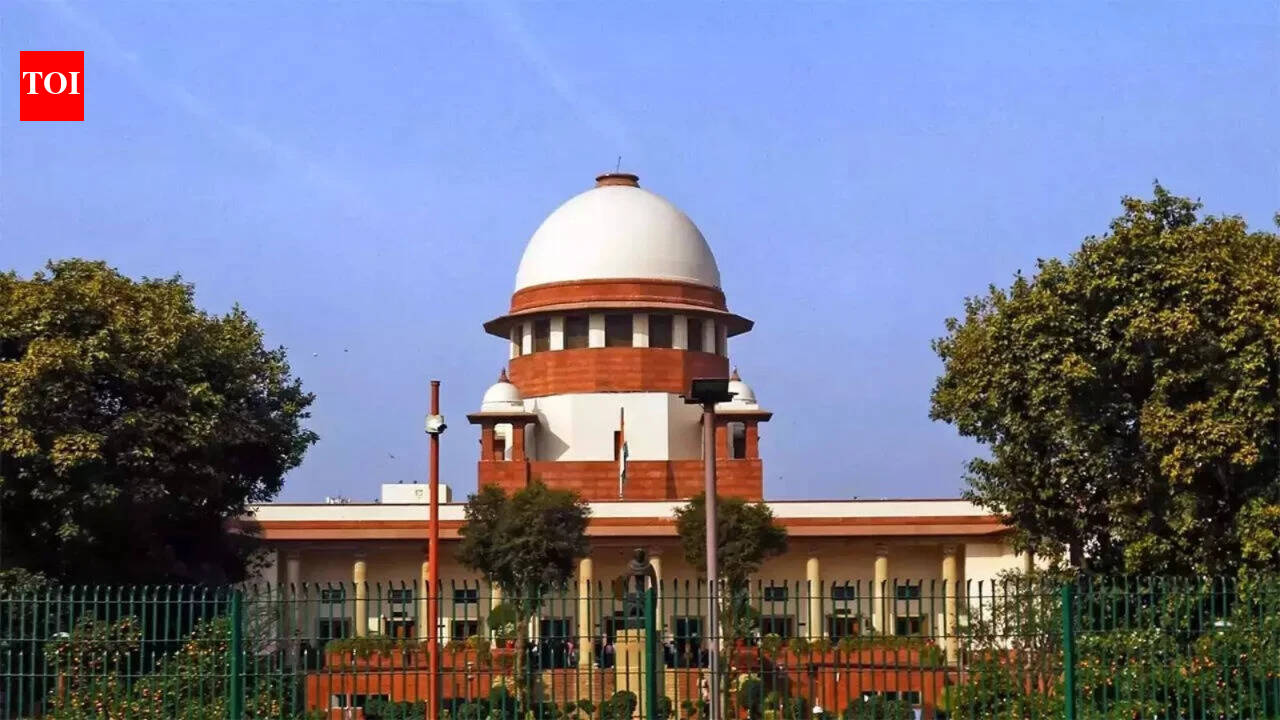
Delhi Police tells SC facial recognition targets criminal records. But is everyone scanned first?
Delhi Police told the Supreme Court that it used facial recognition technology at the recent Cockroach Janta Party protests only to identify people with existing criminal records, not to surveil the whole crowd. The petitioners' lawyers disputed this account, arguing the …
Intelligence analysis by Llama

Delhi Police's use of facial recognition technology at the Cockroach Janta Party protests has raised concerns about surveillance and data collection. The police claim that the technology only identifies people with existing criminal records, but the petitioners argue that it must capture every face before it can match any.
Imagine you're at a big protest, and the police are using a special camera to scan everyone's faces. They say they're only looking for people who have done something bad in the past, but the protesters think they're looking at everyone. This is like a big puzzle, and the police are trying to figure out who's who. But the protesters are worried that the police are collecting too much information and might use it to watch them all the time.
Analysis
Delhi Police's Facial Recognition Technology: A Closer Look
Delhi Police's use of facial recognition technology at the Cockroach Janta Party protests has raised several concerns about surveillance and data collection. The police claim that the technology only identifies people with existing criminal records, but the petitioners argue that it must capture every face before it can match any. This raises several questions about the collection and processing of facial recognition data, and whether the authorities are legally entitled to process this material.
The technology works in three steps: detection, feature extraction, and matching. The detection step applies to everyone in view, and the system cannot know whose face matches a criminal-records database until it has detected and processed every face present. This leaves two questions unanswered: If the system must capture every face before it can match any, how does it scan 'only' people with criminal records? What happens to the faceprints of everyone else it captures during the scan, and does it store, discard, or log them?
Delhi Police has not disclosed which datasets populate the system, or how it sourced them. The police have also not said whether electoral or other government databases feed its facial recognition. This lack of transparency raises concerns about the potential for mass surveillance and the misuse of facial recognition technology.
The case highlights the need for clear guidelines and regulations on the use of facial recognition technology. India has no dedicated law governing biometric or facial-recognition surveillance, and the use of such technology raises several concerns about individual privacy and security. The case also raises questions about the accountability and transparency of the authorities in using facial recognition technology.
Key points
- Delhi Police used facial recognition technology at the Cockroach Janta Party protests to identify people with existing criminal records.
- The petitioners' lawyers disputed this account, arguing that the technology must capture every face before it can match any.
- Delhi Police has not disclosed which datasets populate the system, or how it sourced them.
- The police have also not said whether electoral or other government databases feed its facial recognition.
- The case highlights the need for clear guidelines and regulations on the use of facial recognition technology.
If the Supreme Court rules in favor of the petitioners, it could lead to more transparency and accountability in the use of facial recognition technology. This could result in better guidelines and regulations for the use of such technology, and potentially even the development of more secure and private facial recognition systems.
If the Supreme Court rules in favor of the police, it could lead to the continued use of facial recognition technology without adequate safeguards. This could result in the further erosion of individual privacy and security, and potentially even the misuse of facial recognition technology for mass surveillance.