Employers should adjust outdoor work activities based on hourly PM2.5 readings: MOM
MOM announces new guidelines for employers to protect workers from haze exposure by adjusting outdoor work activities based on hourly PM2.5 readings.
Intelligence analysis by Qwen 2.5 (3B)
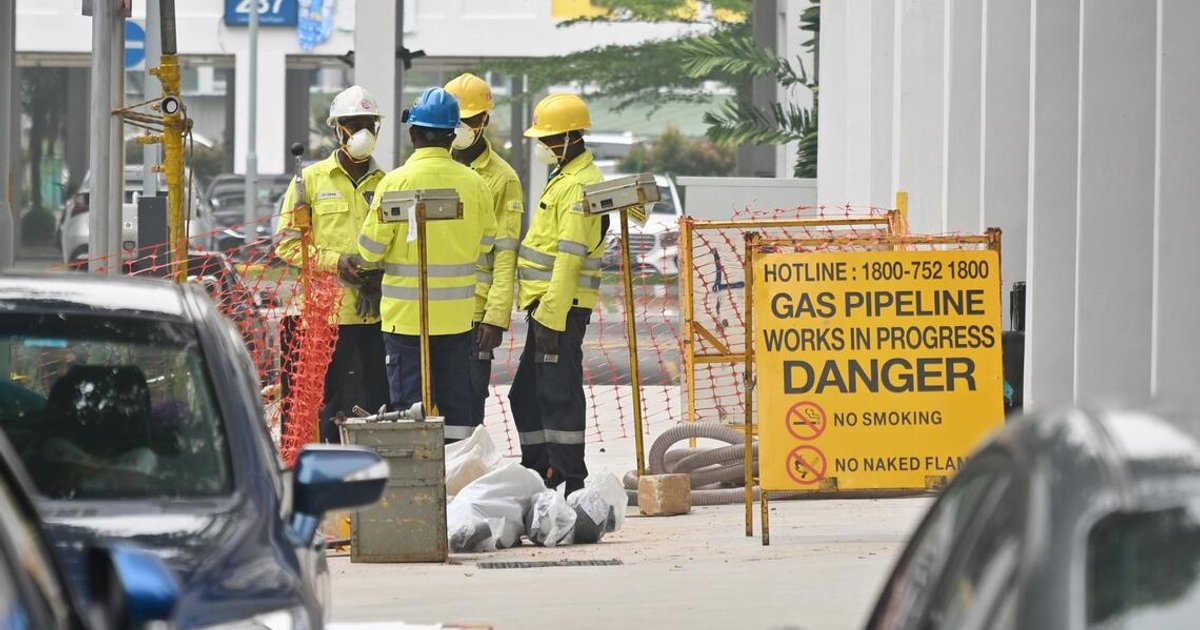
MOM releases new guidelines for employers to mitigate haze exposure by adjusting outdoor work activities based on hourly PM2.5 readings.
The government is telling employers to change when they let workers do outdoor work based on how dirty the air is. If the air is really dirty, they should let workers stay inside more.
Analysis
New Guidelines for Employers
The Ministry of Manpower (MOM) has issued new guidelines for employers to better protect workers from haze exposure. Employers are advised to adjust outdoor work activities based on hourly PM2.5 readings.
Vulnerable Workers
Employers are advised to avoid assigning vulnerable workers, including the elderly, pregnant women, and those with chronic heart or lung diseases, to strenuous outdoor work when PM2.5 readings are elevated. These workers should avoid outdoor work when PM2.5 readings are high, and outdoor work should be prohibited when readings are very high.
Healthy Employees
For healthy employees, employers are advised to reduce strenuous outdoor work when PM2.5 readings are elevated and avoid such tasks when readings are high. When PM2.5 readings are very high, all outdoor work should be minimized.
Mitigation Measures
Employers should deploy mechanical aids, job rotation schedules, and provide indoor rest breaks to mitigate risks to their workers. N95 or equivalent masks should be provided when PM2.5 readings are high, and workers should be given indoor hourly rest breaks when readings are very high. Employers should also review safety risks when visibility is affected, particularly for tower and mobile crane lifting work.
Penalties
Employers who fail to protect their workers from haze may face fines and stop-work orders. The health and safety of workers must remain a priority, especially during periods of haze.
Additional Guidance
Employers are advised to review their haze management plans, including identifying workers who are more susceptible to the effects of haze, determining which outdoor work activities should be reduced or rescheduled, setting criteria for restricting outdoor work as haze conditions worsen, and maintaining at least a one-week supply of masks as part of their haze-related business continuity plans if they have employees who are required to work outdoors.
PM2.5 Readings and Haze
PM2.5 readings are the dominant pollutant during periods of transboundary haze and have the most influence over the PSI readings. Employers are advised to use hourly PM2.5 readings to adjust outdoor work activities as air quality changes.
Visibility and Safety
Employers should defer non-essential jobs or reduce the intensity and duration of outdoor work when visibility is affected. Employers should also review safety risks when visibility is affected, particularly for tower and mobile crane lifting work.
Supply of Masks
Employers are advised to maintain at least a one-week supply of masks as part of their haze-related business continuity plans if they have employees who are required to work outdoors.
Health and Safety
The health and safety of workers must remain a priority, especially during periods of haze. Employers are advised to review their haze management plans and take appropriate measures to protect their workers from the health risks associated with high PM2.5 levels during haze periods.
Key points
- Employers should adjust outdoor work activities based on hourly PM2.5 readings.
- Vulnerable workers should avoid strenuous outdoor work when PM2.5 readings are high.
- Employers should provide masks and indoor breaks for workers when necessary.
- Employers should review their haze management plans and maintain a supply of masks.
- Employers who fail to follow these guidelines may face penalties.
By following these guidelines, employers can help keep their workers healthy and safe during haze periods.
If employers don't follow these guidelines, they might get in trouble for not protecting their workers from the haze.