Singapore, Sweden to Boost Cooperation in Clean Energy Transition, Public Policy
Singapore and Sweden agree to deepen clean energy cooperation, including hydrogen, ammonia, and power grid links. Public policy links also boosted with new agreements between educational institutions.
Intelligence analysis by Qwen 2.5 (3B)
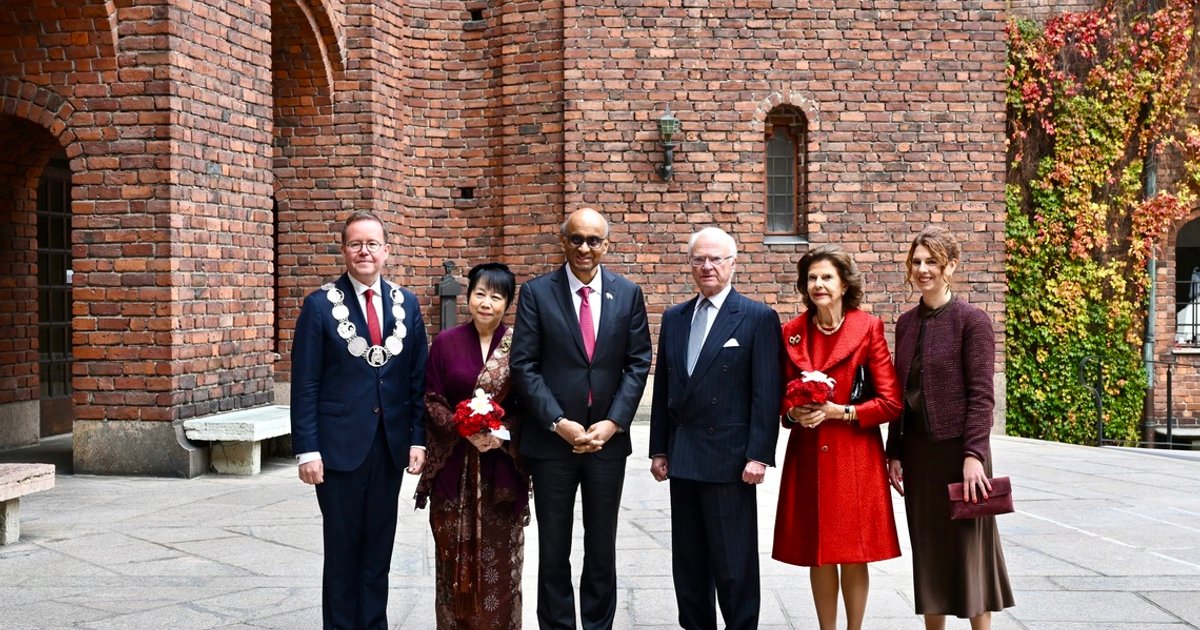
Singapore and Sweden reaffirm commitment to clean energy cooperation and public policy collaboration, with new agreements between educational institutions.
Singapore and Sweden are two countries that agreed to work together on clean energy and public policy. They want to share ideas and learn from each other to make their countries better places to live.
Analysis
{"#Energy Cooperation":"The two countries aim to explore opportunities in emerging technologies such as hydrogen and ammonia, as well as regional energy interconnectivity and high voltage direct current technologies. This cooperation is seen as a complement to Sweden's strengths in energy innovation and Singapore's position as a leading energy and innovation hub.","#Public Policy":"Educational institutions from both countries agreed to deeper collaboration in areas such as public policy research and academic exchange. The Lee Kuan Yew School of Public Policy and the Royal Institute of Technology signed an agreement to explore capability development programmes for public sector leaders.","#ASEAN-EU Ties":"The partnership supports sustainable growth, rules-based multilateralism, and closer ASEAN-EU ties, while sharing expertise in innovation and energy policy."}
Key points
- Singapore and Sweden reaffirm commitment to clean energy cooperation
- New agreements between educational institutions support public policy research and academic exchange
- Focus on emerging technologies like hydrogen and ammonia, as well as regional energy interconnectivity
- Supports sustainable growth, multilateralism, and ASEAN-EU ties
- Collaboration reflects growing importance of equipping public sector leaders with insights into technology, innovation, and public policy
This cooperation could lead to better energy solutions and stronger public policies, benefiting both countries and potentially influencing other countries in the region.
However, challenges may arise, such as differences in energy challenges and the need for strong leadership to ensure the success of these collaborations.