EU leaders' summit descends into 3-hour argument over taxing car emissions
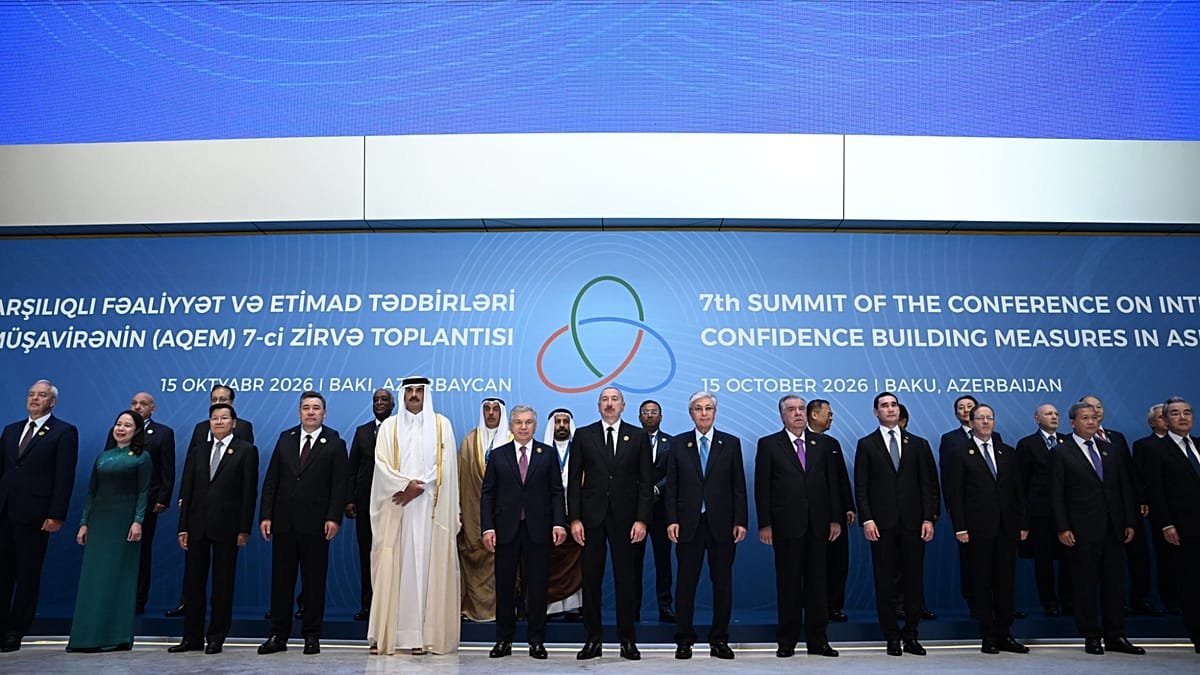
EU leaders clash over carbon pricing for cars and heating, delaying summit proceedings and prompting a roast veal lunch.
Intelligence analysis by Qwen 2.5 (3B)
EU leaders debate carbon pricing for cars and heating at a summit, with some pushing for delays or scrapping existing laws.
EU leaders are arguing about whether to make driving cars and using heating more expensive to help the planet. Some countries want to delay or stop this, but most leaders say no.
Analysis
{"heading_1":"ETS2 and ETS: The Core of the Debate","subheading_1":"ETS2: Proposed Delay and Scrapping","paragraph_1":"Nordic countries and the Netherlands were firmly against changes to ETS2, a position backed by France and Germany. But Paris and Berlin's long-term reliability as ETS defenders is in doubt. French President Emmanuel Macron and German Chancellor Friedrich Merz both face threats from the far-right, where the ETS has become a dirty word.","paragraph_2":"In France, with elections only months away in 2027, Marine Le Pen's far-right National Rally is leading in the polls. How Le Pen would deal with the ETS isn't certain, but Jordan Bardella, the French far-right lawmaker and rising star of National Rally, offered a clue in recent comments. 'ETS: three letters, an acronym that reeks of detached bureaucracy, with one question that keeps coming up: who’s going to pay?' he said to European Parliament in May.","subheading_2":"ETS: The Original Emissions Trading System","subheading_3":"Poland and Italy's Position","subheading_4":"Nordic Countries and the Netherlands' Stance"}
Key points
- EU leaders clash over carbon pricing for cars and heating at a summit
- Countries including Italy, Poland, and Hungary call for delays or scrapping of ETS2
- The debate reflects tensions between ambitious climate goals and the need to reduce energy costs
- Nordic countries and the Netherlands are against changes to ETS2
- French and German leaders face threats from the far-right, who are against carbon pricing
If the debate leads to a compromise that allows for some carbon pricing while also helping reduce energy costs, it could be a win for both the environment and the economy.
If the debate fails to reach a compromise, it could lead to a delay or scrapping of carbon pricing, which could harm efforts to reduce emissions and address climate change.