Flash flood in Nepal washes away villages, power projects near Tibet border
A massive flash flood in Nepal's Rasuwa district, bordering Tibet, has washed away villages, roads, bridges, and power projects, prompting warnings of heavy casualties.
Intelligence analysis by Gemini 2.5 Flash
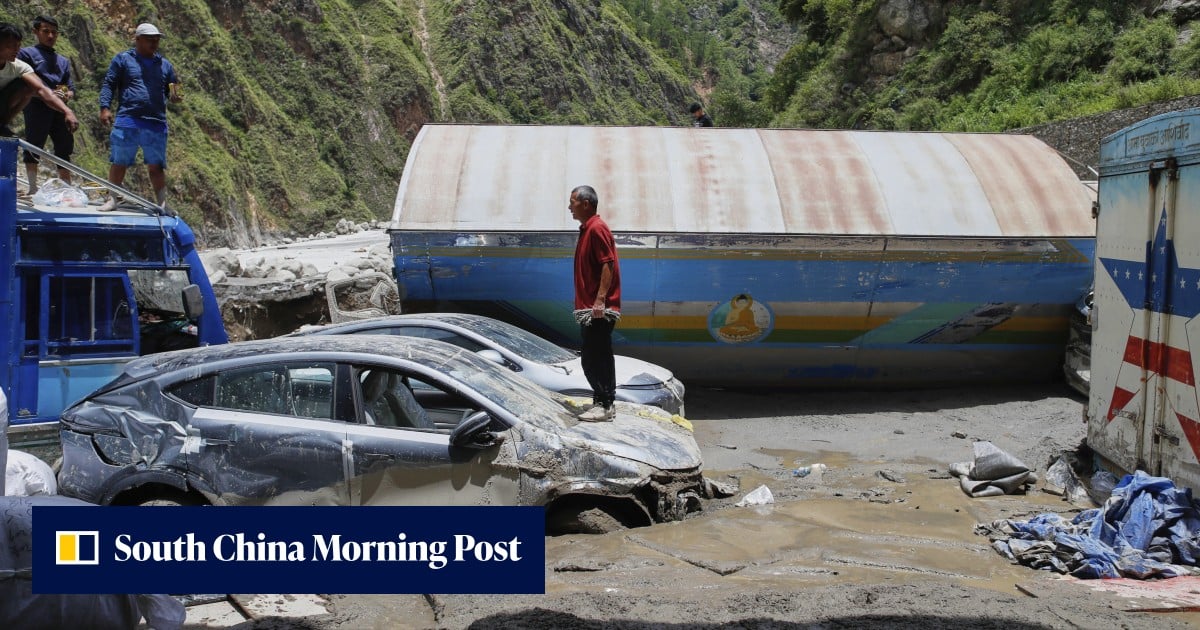
Authorities in Nepal have reported significant damage from a flash flood in the mountainous Rasuwa district, near the Tibet border. The overspill from the Bhotekoshi River has severely impacted communities like Syapru Besi and Timure, leading to infrastructure destruction and fears of substantial loss of life and property.
Imagine a giant river that usually flows nicely suddenly gets super angry and overflows its banks, like a bathtub overflowing really fast! That's what happened in a mountain area in Nepal, near the border with Tibet. This big flood washed away whole villages, roads, and even power stations, making it hard for people to get around or have electricity. Everyone is worried that many people might have been hurt or lost their homes.
Analysis
A devastating flash flood has struck Nepal's Rasuwa district, a region critically positioned near the Tibet border, causing widespread destruction and raising alarms about potential human and economic losses. The incident, attributed to the Bhotekoshi River's overspill, highlights the vulnerability of Himalayan communities and infrastructure to extreme weather events, which are becoming more frequent and intense.
Bhotekoshi River
The Bhotekoshi River, a transboundary river originating in Tibet and flowing into Nepal, has been identified as the source of the destructive flash flood. Its sudden and massive overspill has unleashed torrents of muddy water, overwhelming established riverbanks and inundating adjacent settlements and development projects. The river's volatile nature, particularly during monsoon seasons, poses an ongoing threat to the communities and infrastructure built along its course, necessitating robust disaster preparedness and mitigation strategies.
The sheer volume and force of the floodwaters from the Bhotekoshi River have demonstrated the immense power of natural phenomena in the Himalayan region. This event underscores the critical need for improved early warning systems and effective communication channels to alert residents in high-risk areas. The rapid onset of such floods leaves little time for evacuation, making timely warnings paramount for saving lives and minimizing property damage.
Rasuwa District
The mountainous Rasuwa district, home to approximately 50,000 people, has borne the brunt of the flash flood's impact. This district, known for its challenging terrain and strategic location near the Tibet border, has seen villages, roads, bridges, and crucial power projects either severely damaged or completely washed away. The destruction of infrastructure not only disrupts daily life but also impedes rescue and relief efforts, isolating affected communities.
District administrator Narendra Pariyar confirmed reports of villages and infrastructure project sites being destroyed, though immediate estimates of casualties and property losses were unavailable. The scale of the damage suggests a long and arduous recovery process for Rasuwa, requiring significant resources and coordinated efforts from national and international agencies. The disruption to power projects, in particular, could have cascading effects on the region's energy supply and economic activities.
Syapru Besi and Timure
The communities of Syapru Besi and Timure are specifically named as being severely affected by the flood. These areas, situated on the banks of the Bhotekoshi River, were directly in the path of the raging waters. Officials have urged residents in these and other riverside locations to seek higher ground, indicating the immediate danger posed to human life.
Videos shared on social media by police and other individuals depicted the terrifying scene of muddy water crashing through mountain valleys, illustrating the ferocity of the flood in Syapru Besi and Timure. The focus now shifts to assessing the full extent of the damage in these specific settlements and initiating search and rescue operations, even as authorities grapple with the logistical challenges of reaching isolated areas and providing aid to those displaced or affected.
Key points
- A massive flash flood occurred in Nepal's Rasuwa district, bordering Tibet.
- Villages, roads, bridges, and power projects have been washed away or severely damaged.
- The flood was caused by an overspill from the Bhotekoshi River.
- Areas like Syapru Besi and Timure are severely affected, with residents urged to seek higher ground.
- Authorities fear heavy casualties and property losses, but immediate estimates are unavailable.
The immediate aftermath of the flash flood could see a significant loss of life and property, as authorities have yet to ascertain the full extent of casualties. The destruction of critical infrastructure like roads and bridges will severely hamper rescue and relief operations, potentially leaving affected communities isolated and without essential supplies for an extended period.