Fog hits UP after Diwali, 7 locations record ‘Very Poor’ air
Uttar Pradesh experienced dense fog and 'Very Poor' air quality in several cities a day after Diwali, with visibility dropping significantly and pollution levels reaching hazardous marks.
Intelligence analysis by Gemini 2.5 Flash
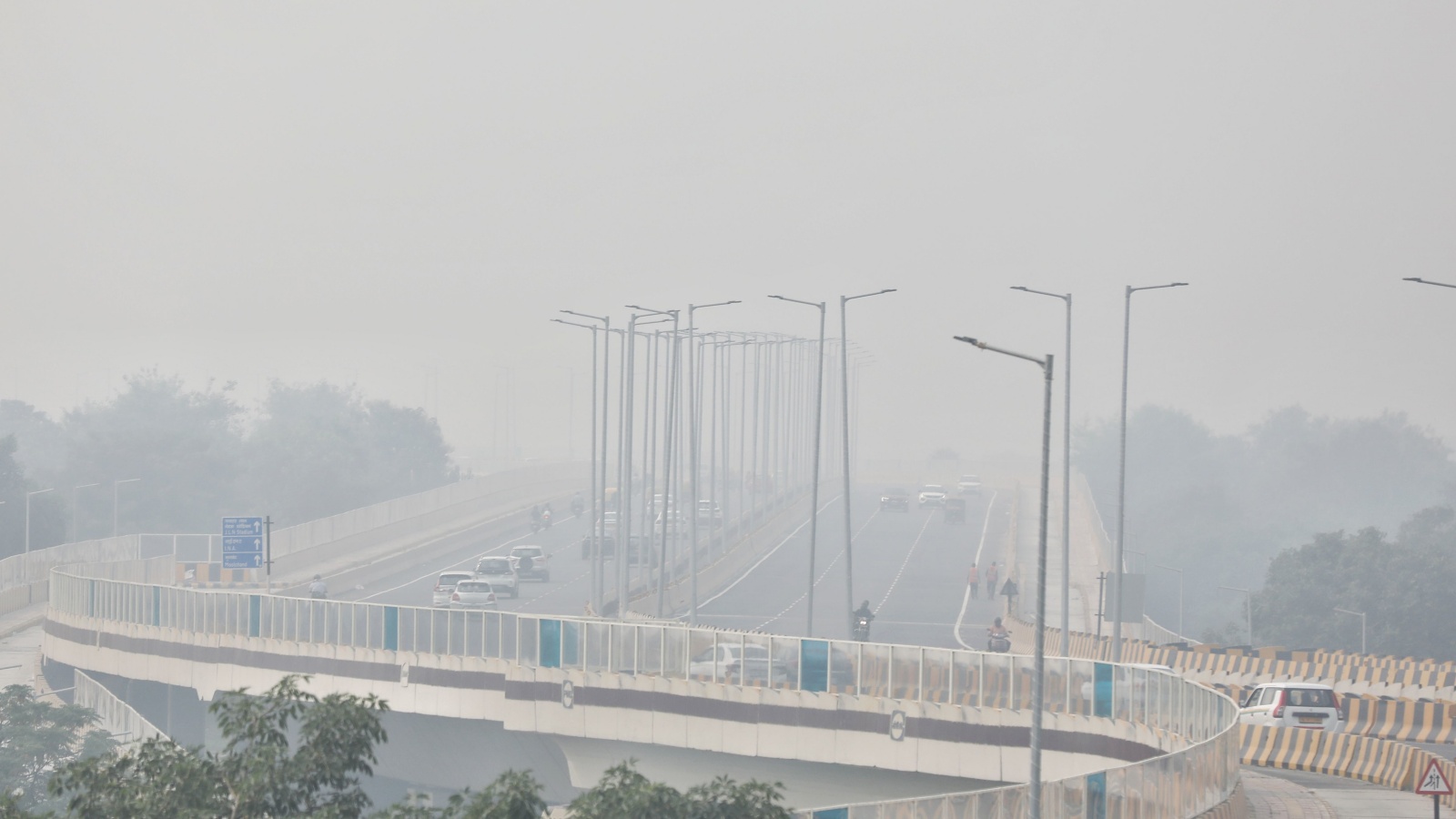
Following Diwali celebrations, Uttar Pradesh woke up to widespread fog and severely deteriorated air quality, with seven locations, including Noida and Ghaziabad, recording 'Very Poor' AQI levels. Stagnant atmospheric conditions are exacerbating the pollution problem, trapping pollutants close to the ground and posing health risks to residents.
Imagine the air around you is usually clear, like a clean window. But after Diwali, it's like lots of smoke and tiny dust bits filled the air. Then, a thick, misty fog came and trapped all that dirty air close to the ground, making it hard to see and breathe, just like trying to look through a very dirty, steamy window. This bad air can make people cough or feel sick.
Analysis
Diwali's Aftermath
The period immediately following Diwali often sees a significant decline in air quality across various parts of India, and Uttar Pradesh is no exception. The article explicitly notes that "a day after Diwali, Uttar Pradesh woke up to fog on Monday," directly linking the festival to the onset of these environmental conditions. The celebratory use of fireworks during Diwali releases a substantial amount of particulate matter and pollutants into the atmosphere, which, when combined with specific meteorological factors, can lead to severe air quality degradation.
This year, the impact was particularly pronounced, with visibility dropping to zero in Varanasi and several other major cities experiencing dense fog. The combination of increased emissions from fireworks and existing industrial or vehicular pollution creates a potent cocktail that, without adequate atmospheric dispersal, settles close to the ground. This annual phenomenon underscores the need for more effective pollution control measures and public awareness campaigns around the festival period.
Anpara's High AQI
The article highlights Anpara as recording the highest Air Quality Index (AQI) among the listed Uttar Pradesh locations, reaching a concerning 355. This figure places Anpara firmly in the 'Very Poor' category according to the Central Pollution Control Board (CPCB) classifications. The fact that a location outside the immediate National Capital Region (NCR) belt, often the focus of pollution discussions, registered such a high AQI points to a broader, state-wide issue rather than an isolated urban problem.
An AQI of 355 signifies a severe level of pollution, capable of causing respiratory illness upon prolonged exposure, even for healthy individuals. The mention of Anpara, alongside other cities like Noida (332), Khurja (331), and Ghaziabad (324), demonstrates the widespread nature of the 'Very Poor' air quality across diverse geographical areas within Uttar Pradesh. This suggests that local factors, combined with regional atmospheric conditions, are contributing to a pervasive environmental challenge.
CPCB's Health Advisory
The Central Pollution Control Board (CPCB) plays a crucial role in monitoring and classifying air quality, and its bulletin provides the official readings and health advisories cited in the article. The CPCB's classification system defines an AQI between 201 and 300 as 'Poor' and between 301 and 400 as 'Very Poor.' These classifications are not merely numerical but carry significant implications for public health.
According to the CPCB's health advisory, 'Poor' air quality can cause breathing discomfort to most people, while 'Very Poor' air can lead to respiratory illness. This official guidance underscores the serious health risks faced by residents in affected areas, particularly vulnerable populations such as children, the elderly, and those with pre-existing respiratory conditions. The persistence of fog and haze, as forecast by the India Meteorological Department (IMD), means that these elevated pollution levels and associated health concerns are likely to continue for several days, necessitating precautionary measures from the public.
Key points
- Uttar Pradesh experienced dense fog and 'Very Poor' air quality a day after Diwali.
- Visibility dropped to zero in Varanasi and 100-300 meters in other cities like Bareilly and Lucknow.
- Seven locations, including Noida, Ghaziabad, and Khurja, recorded 'Very Poor' AQI levels (301-400).
- Anpara registered the highest AQI among listed UP locations at 355, according to CPCB.
- Stagnant atmospheric conditions are preventing pollutant dispersal, with fog and haze expected to persist for two to three days.
While current atmospheric conditions exacerbate pollution, a shift in weather patterns, such as increased wind or rainfall, could naturally help disperse the concentrated pollutants and improve air quality across Uttar Pradesh. Such changes would alleviate the immediate health risks and visibility issues faced by residents.
The persistence of stagnant atmospheric conditions, combined with ongoing emissions, could lead to prolonged periods of 'Very Poor' air quality and dense fog, increasing the risk of respiratory illnesses for a larger segment of the population. This sustained pollution could also disrupt daily life and transportation for an extended duration.