From the Royole FlexPai to the iPhone Duo: How the modern foldable phone has evolved
Foldable phones have come a long way, from the Royole FlexPai to the iPhone Duo. This article explores the journey of foldable technology and its potential for mainstream adoption.
Intelligence analysis by Qwen 2.5 (3B)
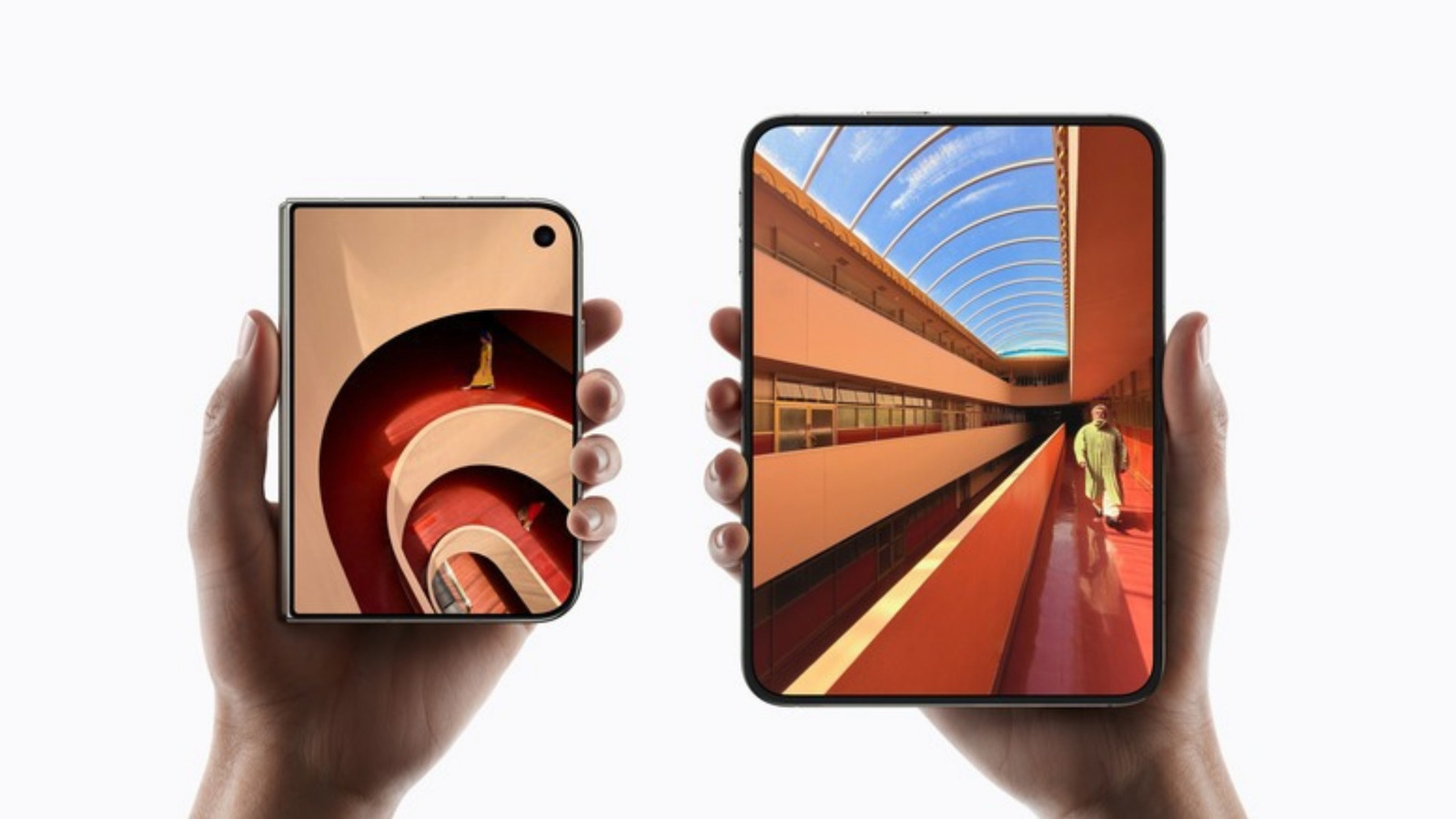
Foldable phones have evolved significantly, from the first attempts by Royole and Samsung to the current iPhone Duo. This article looks at the challenges and progress in the field.
Foldable phones are like a piece of paper that can fold in half. At first, they were hard to use and broke easily. But now, they're getting better and more people might start using them.
Analysis
The First Stumbles: Royole and Samsung
The first foldable phones, like the Royole FlexPai and Samsung Galaxy Fold, faced significant challenges. The FlexPai was praised but criticized for its rough edges and size. The Galaxy Fold, despite its high price, broke screens easily and required recalls. These early models highlighted the importance of perfecting the crease, hinge durability, and screen resistance.
The Android Maturity Years
From 2020 to 2025, foldable phones saw significant advancements. Samsung introduced ultra-thin glass for the inner screen, and the Z Flip 3 and Z Flip 3 featured IPX8 water resistance. Google's Pixel 10 Pro Fold reached full IP68 protection. Oppo's Find N and Honor's Magic V series improved the crease, while Samsung's Galaxy Z Fold 7 offered slim design. Pricing also dropped, making foldable phones more accessible.
Apple's Entry
Apple's entry with the iPhone Duo represents a significant step forward. The company waited until the crease problem was resolved before launching its own model. The iPhone Duo promises to make foldable phones more mainstream.
Key points
- Foldable phones have evolved significantly from the first attempts by Royole and Samsung
- Pricing has dropped, making foldable phones more accessible
- Apple's entry with the iPhone Duo represents a significant step forward
With the iPhone Duo, Apple has the potential to make foldable phones more popular and accessible to everyone.
However, there are still challenges to overcome, such as ensuring the phone's crease is smooth and durable.