GLP-1 drugs linked to 17% drop in worker sick leave, new economic study finds
A new economic study finds that GLP-1 drugs, prescribed to people with diabetes or obesity, can lead to a 17% drop in worker sick leave, resulting in cost savings for workers and their employers.
Intelligence analysis by Llama
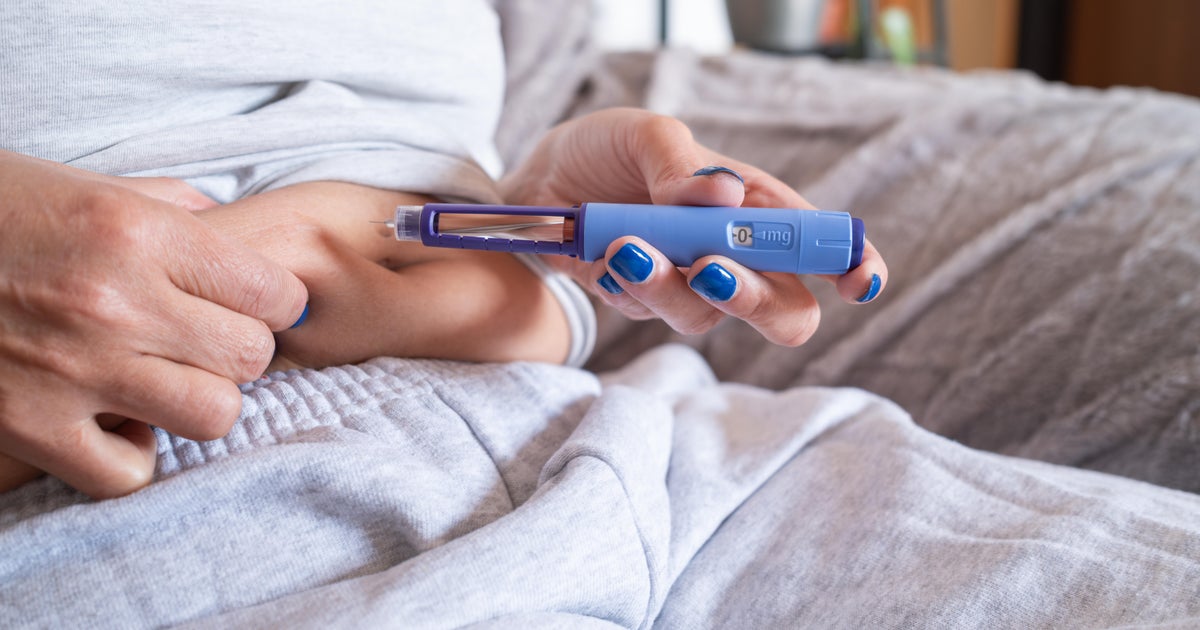
A study published by the National Bureau of Economic Research found that patients who used GLP-1 drugs took 17% less long-term sick leave than those who didn't use the medications, leading to potential cost savings for workers and employers.
GLP-1 drugs are special medicines that help people with diabetes or obesity feel better. They can also help people take less time off work because they're sick, which is good for both the person and their employer.
Analysis
A 17% Drop in Sick Leave: What Does it Mean for Workers and Employers?
The study's findings suggest that GLP-1 drugs can lead to a significant reduction in worker sick leave, resulting in cost savings for both workers and employers. In Denmark, where the study was conducted, employers must pay their workers their full salaries for illness-related absences of up to 30 days, while the government covers long-term sickness leave of more than 30 days. A reduction in short-term illness led to savings for employers, while fewer longer-term absences saved the government money.
The study's co-author, Jonathan Zhang, notes that the findings could apply to the U.S. labor market, where people often come to work despite feeling unwell. He suggests that if the drugs help reduce 'presenteeism' - when employees come to work but aren't able to perform at their best because of health issues - companies could become more productive while workers could get more done and potentially earn more promotions.
Why GLP-1 Drugs Matter for Worker Health
GLP-1 drugs are prescribed to people with diabetes or obesity and are known to improve patients' health, including by reducing the risk of major adverse cardiovascular events, such as heart attacks and strokes. The study's findings suggest that these benefits can also translate to a reduction in worker sick leave, leading to potential cost savings for workers and employers.
The Road Ahead: Implications for the Labor Market
The study's findings have significant implications for the labor market in the United States. As the U.S. labor market continues to evolve, it's essential to consider the potential benefits of GLP-1 drugs for worker health and productivity. By reducing worker sick leave, GLP-1 drugs could lead to cost savings for workers and employers, while also improving overall worker health and well-being.
Key points
- A new economic study finds that GLP-1 drugs can lead to a 17% drop in worker sick leave.
- The study's findings suggest that GLP-1 drugs can result in cost savings for workers and employers.
- The study's co-author notes that the findings could apply to the U.S. labor market, where people often come to work despite feeling unwell.
If the study's findings are applied to the U.S. labor market, it's possible that GLP-1 drugs could lead to increased productivity and cost savings for workers and employers. Additionally, the reduction in worker sick leave could lead to improved overall worker health and well-being.
However, it's also possible that the study's findings may not be directly applicable to the U.S. labor market, given the differences in sick leave policies between Denmark and the U.S. Furthermore, the potential cost savings from reduced worker sick leave may not be realized if employers are not willing to adapt their policies to accommodate the benefits of GLP-1 drugs.