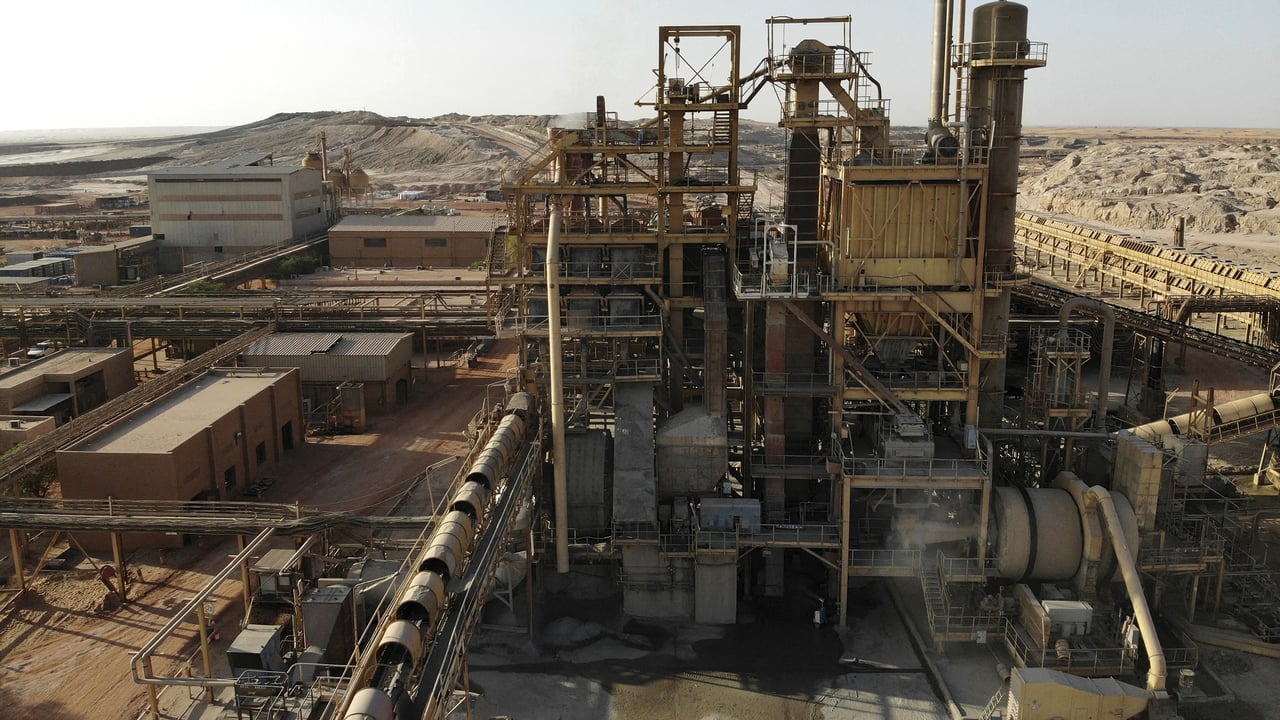
Gold: Redistribution of Investments Reshuffles the Cards in West Africa
International mining companies are shifting investments in West Africa from countries like Mali, Burkina Faso, and Ghana, which are increasing state control over gold sectors, towards more stable nations such as Côte d'Ivoire, Guinea, and Mauritania.
Intelligence analysis by Gemini 2.5 Flash
West African nations are vying for foreign investment in their lucrative gold sectors. While some countries like Mali, Burkina Faso, and Ghana are asserting greater state control, leading to investor caution, others like Côte d'Ivoire, Guinea, and Mauritania are actively promoting their geological potential and stable regulatory environments to attract redirected capital, reshaping th…
Imagine a treasure hunt for gold in West Africa. Some countries, like Mali and Ghana, want a bigger share of the treasure for themselves, which makes the treasure hunters (mining companies) a bit nervous. So, these companies are now taking their maps and shovels to other countries, like Côte d'Ivoire and Guinea, where they feel safer and more welcome to dig for gold, hoping to find big riches there instead.
Analysis
The Shifting Sands of Gold Investment in West Africa
West Africa is currently witnessing a significant redistribution of international mining investments, a trend primarily driven by the divergent approaches of national governments towards their lucrative gold sectors. Countries such as Mali, Burkina Faso, and Ghana have increasingly asserted greater state control over their gold resources. This involves implementing new policies aimed at strengthening public oversight and ensuring a larger share of mining revenues remains within the national economy. While these measures are often enacted with the intention of boosting national development and local benefits, they have simultaneously introduced an element of unpredictability and perceived risk for foreign mining companies. This heightened uncertainty has led many international investors to exercise caution, prompting them to reconsider or even halt new project developments in these nations, thereby creating a vacuum in traditional investment hubs.
This cautious stance adopted by major mining groups has, in turn, opened up substantial opportunities for other West African nations. Côte d'Ivoire, Guinea, and Mauritania are now actively positioning themselves as more attractive and stable destinations for capital. These countries are strategically leveraging their rich geological potential and their perceived economic and regulatory stability to draw in the redirected investment flows. The regional mining landscape is thus undergoing a profound transformation, with capital moving towards environments that offer clearer legal frameworks, consistent operational conditions, and a more predictable long-term outlook for large-scale mining ventures. This shift promises to redefine the centers of gold exploration and exploitation across the sub-region.
Côte d'Ivoire and Guinea's Ascent as Mining Hubs
Côte d'Ivoire has emerged as a prominent beneficiary of this investment redistribution, showcasing rapid progress in its mining sector. A prime example is the colossal Koné project, which is now anticipated to commence gold production ahead of its initial schedule, with its estimated gold resources exceeding 6.3 million ounces. This accelerated development is largely attributable to the Ivorian government's substantial investments in critical infrastructure and energy, which have collectively fostered a highly conducive environment for large-scale mining operations. The Canadian firm Montage Gold exemplifies this robust confidence, not only spearheading the Koné project but also strategically expanding its presence through the acquisition of the Didievi project. This move, as articulated by CEO Martino De Ciccio, underscores a strong belief in Côte d'Ivoire's geological potential and its stable economic climate.
Guinea is similarly capitalizing on the evolving regional dynamics, effectively presenting itself as a compelling alternative for international mining groups. Both Côte d'Ivoire and Guinea are strategically benefiting from the broader context of investor prudence that now characterizes neighboring states. Their ability to consistently offer a more stable and predictable operational landscape, coupled with their promising geological prospects, positions them advantageously to attract and absorb the significant investments that might otherwise have been directed to countries now perceived as higher risk. This influx of foreign capital is poised to substantially invigorate their respective mining sectors, contributing significantly to their national economies through job creation, infrastructure development, and increased export revenues.
Mauritania and Senegal's Varied Fortunes
Mauritania is also actively and strategically vying for a share of these redirected mining investments, prominently highlighting its vast, largely unexplored geological potential and a regulatory framework specifically designed to reassure and attract international investors. According to Ahmed Taleb Mohamed, an advisor to the Mauritanian Ministry of Mines, the nation offers "very clear conditions" and ensures that "agreements are respected," thereby providing investors with crucial long-term visibility for their complex mining projects. This steadfast commitment to a stable and transparent legal environment, combined with significant untapped mineral resources, is making Mauritania an increasingly appealing prospect for global mining companies seeking new and reliable frontiers for exploration and development.
In contrast, Senegal, despite possessing substantial gold potential and already hosting three active industrial mines in the Kédougou region, faces a more intricate and nuanced situation. While its mining sector currently contributes significantly to both its GDP and national exports, recent audits initiated by the new government on several existing mining contracts have introduced an element of uncertainty among investors. Ousmane Mbaye, president of the Chamber of Mines of Senegal, pointedly observes that "investors like stability" and cautions that questioning established conventions or contracts with every change of government can severely deter future capital inflows. Although there is an understanding that authorities recognize the paramount need for stability, the ongoing scrutiny underscores the delicate balance required between asserting national oversight and maintaining the unwavering investor confidence that is absolutely critical for fully unlocking Senegal's considerable mining potential.
Key points
- International mining investments are shifting in West Africa due to varying government policies.
- Mali, Burkina Faso, and Ghana are increasing state control over their gold sectors, causing investor caution.
- Côte d'Ivoire and Guinea are attracting significant new investments due to perceived stability and geological potential.
- Mauritania is also positioning itself as an attractive destination with a clear regulatory framework.
- Senegal faces investor concerns over government audits of mining contracts, despite its substantial gold resources.
The redirection of mining investments towards countries offering greater stability and clear regulatory frameworks could foster more predictable economic growth and job creation in nations like Côte d'Ivoire, Guinea, and Mauritania. This shift might also encourage other West African states to refine their investment policies, promoting a more competitive and transparent mining sector across the region.
Increased state control in countries like Mali and Burkina Faso, while aiming to boost national revenue, risks deterring future foreign investment, potentially hindering economic development and job creation in their mining sectors. Meanwhile, the perceived instability in Senegal due to government audits could undermine investor confidence, despite its significant gold potential, leading to missed economic opportunities.