Haze probe: Five Singapore-registered companies agree to engage assessors
Five Singapore-registered companies linked to transboundary haze have agreed to cooperate with specialist panel assessments. The National Environment Agency (NEA) is facilitating this process to establish facts regarding their involvement in fires contributing to haze aff…
Intelligence analysis by Gemini 2.5 Flash Lite
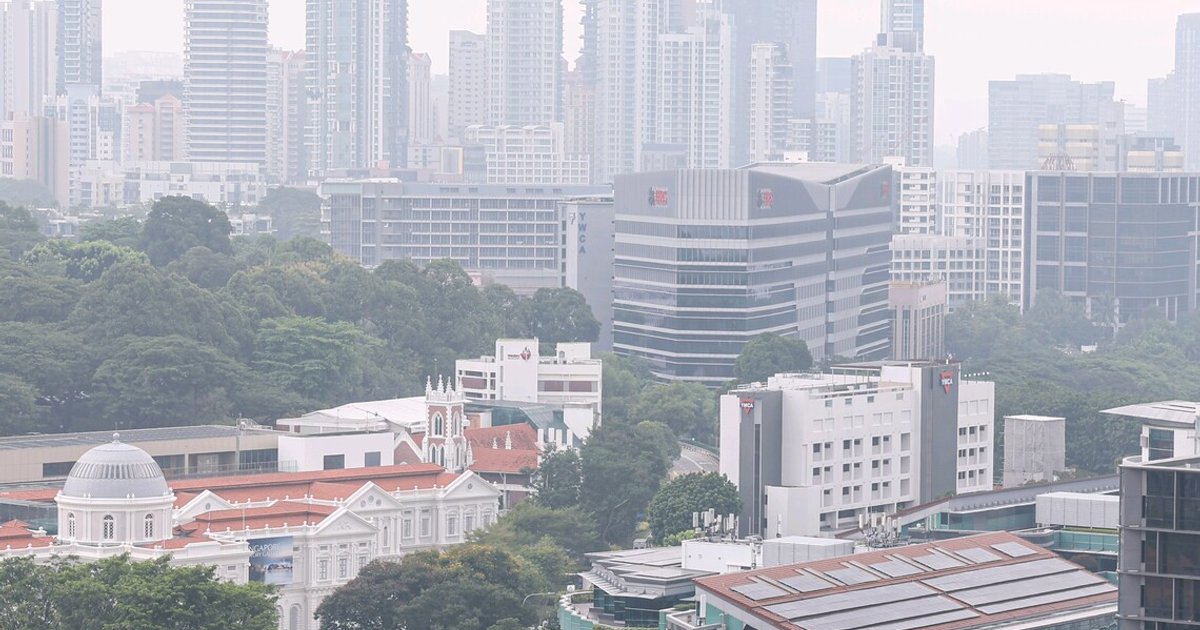
Singapore is intensifying its probe into companies potentially linked to regional fires causing transboundary haze. Five Singapore-registered firms have agreed to engage specialist assessors, with a sixth expressing willingness. This follows a high-level meeting where companies were urged to cooperate with inquiries into their operations and supply chains to determine accountability.
Imagine some companies in Singapore might be connected to fires far away that made the air smoky here. Now, these companies have agreed to let special investigators look into their business to see if they are really involved. This is to find out the truth and make sure everyone is being responsible for the air we breathe.
Analysis
Five Singapore-Registered Companies
The National Environment Agency (NEA) has announced that five Singapore-registered companies have agreed to engage specialist assessors to investigate their potential links to regional fires that caused transboundary haze. These companies include Wilmar International, Golden Agri-Resources, APP Company, APP Company (China), and Indofood Agri Resources. The voluntary participation of these firms is seen by the NEA as crucial for establishing the facts surrounding their involvement, or lack thereof, in fires that have impacted Singapore.
Specialist Panel
A specialist panel, comprising professionals with expertise in cross-border inquiries, complex corporate relationships, and multi-jurisdictional supply chains, has been appointed by the Ministry of Law (MinLaw) and NEA. This panel was formed following the announcement on October 23rd and is tasked with conducting thorough examinations. The formation of this panel underscores the seriousness with which Singapore is treating the issue of transboundary haze and its commitment to identifying and addressing the root causes.
Corporate Accountability
Senior Minister K. Shanmugam, Deputy Prime Minister Gan Kim Yong, and Minister for Sustainability and the Environment Grace Fu met with representatives from 10 Singapore firms on October 28th. During this meeting, the companies were explicitly instructed to engage a firm from the specialist panel for comprehensive inquiries into their operations, corporate ties, and supply chains, with audits to be submitted to authorities. Golden Agri Resources, in a filing, confirmed its cooperation, highlighting the push for transparency and accountability in addressing the haze issue.
Key points
- Five Singapore-registered companies have agreed to engage specialist assessors to investigate their potential links to transboundary haze.
- The National Environment Agency (NEA) views this voluntary participation as key to establishing facts about the companies' involvement in fires.
- A high-level meeting involved ministers urging 10 companies to cooperate with inquiries into their operations and supply chains.
- A specialist panel of professionals has been appointed to conduct cross-border inquiries and examine supply chains.
- Golden Agri Resources has confirmed its cooperation with the NEA's investigation process.
The voluntary engagement of these companies with specialist assessors could lead to a swift and transparent resolution, establishing clear accountability for any involvement in the fires. This process may also encourage other companies to adopt more stringent environmental practices, ultimately reducing the frequency and severity of transboundary haze events affecting Singapore and the region.
Despite the agreement to engage assessors, there remains a risk that the investigations could be protracted or inconclusive, especially if corporate relationships and supply chains prove exceptionally complex to untangle. Without robust enforcement mechanisms or full cooperation, the companies might evade meaningful accountability, leaving the root causes of the haze unaddressed.