How a 123-year-old air conditioning system helps us cope with extreme temperatures today
As the world grapples with the impact of climate change, air conditioning has become a matter of life and death for vulnerable populations. But it comes with a hefty price tag. A 123-year-old air conditioning system in a Belfast hospital offers a glimpse into how humans h…
Intelligence analysis by Llama
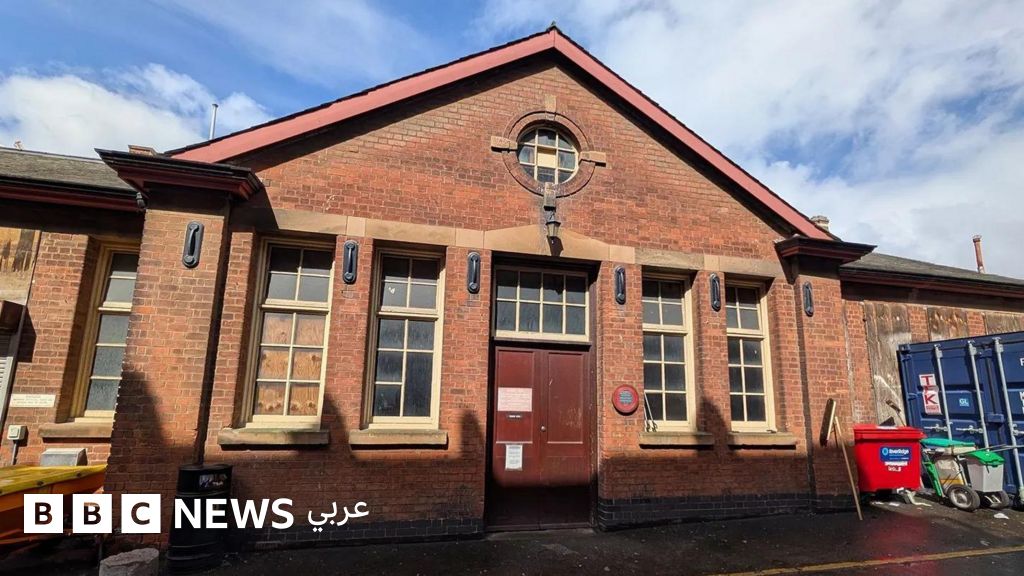
A 123-year-old air conditioning system in a Belfast hospital has been keeping patients cool for over a century. The system, which uses a network of hemp fibers to cool the air, has been upgraded over the years but still plays a crucial role in maintaining a healthy environment for patients. As the world grapples with the impact of climate change, air conditioning has become a matter o…
Imagine you're a patient in a hospital, and it's really hot outside. The air conditioning system in the hospital is like a superhero that keeps you cool and comfortable. It's been around for over 100 years and has been upgraded many times to make sure it works well. But it's not just about keeping people cool - it's also about keeping them healthy. When it's hot outside, it can make people sick, and air conditioning helps prevent that.
Analysis
A $60B Vote of Confidence
The impact of climate change on human health is a pressing concern, particularly for vulnerable populations. As the world grapples with the consequences of rising temperatures, air conditioning has become a matter of life and death. But it comes with a hefty price tag, making it inaccessible to many. A 123-year-old air conditioning system in a Belfast hospital offers a glimpse into how humans have dealt with this issue for centuries.
The system, which uses a network of hemp fibers to cool the air, has been upgraded over the years but still plays a crucial role in maintaining a healthy environment for patients. The hospital's administrators have recognized the importance of air conditioning in maintaining a healthy environment, particularly for vulnerable populations. They have invested heavily in upgrading the system, ensuring that it remains effective and efficient.
But the story of this air conditioning system is not just about its technical specifications. It is also a testament to the ingenuity and resourcefulness of humans in the face of adversity. The system's designers and engineers have worked tirelessly to ensure that it remains effective and efficient, even in the face of changing environmental conditions.
As the world grapples with the impact of climate change, air conditioning has become a matter of life and death for those who cannot afford it. The importance of air conditioning in maintaining a healthy environment, particularly for vulnerable populations, cannot be overstated. It is a matter of life and death, and one that requires immediate attention and action.
Why Cursor?
The story of this air conditioning system raises important questions about the role of technology in maintaining a healthy environment. As the world grapples with the impact of climate change, air conditioning has become a matter of life and death for those who cannot afford it. But it also highlights the importance of investing in infrastructure and technology that can help mitigate the effects of climate change.
The hospital's administrators have recognized the importance of air conditioning in maintaining a healthy environment, particularly for vulnerable populations. They have invested heavily in upgrading the system, ensuring that it remains effective and efficient. But the story of this air conditioning system is not just about its technical specifications. It is also a testament to the ingenuity and resourcefulness of humans in the face of adversity.
The Road Ahead
As the world grapples with the impact of climate change, air conditioning has become a matter of life and death for those who cannot afford it. The importance of air conditioning in maintaining a healthy environment, particularly for vulnerable populations, cannot be overstated. It is a matter of life and death, and one that requires immediate attention and action.
The story of this air conditioning system highlights the importance of investing in infrastructure and technology that can help mitigate the effects of climate change. It also underscores the need for greater awareness and understanding of the impact of climate change on human health. By working together, we can create a healthier and more sustainable future for all.
Key points
- Air conditioning has become a matter of life and death for vulnerable populations as the world grapples with the impact of climate change.
- A 123-year-old air conditioning system in a Belfast hospital offers a glimpse into how humans have dealt with this issue for centuries.
- The system uses a network of hemp fibers to cool the air and has been upgraded over the years to remain effective and efficient.
- The importance of air conditioning in maintaining a healthy environment, particularly for vulnerable populations, cannot be overstated.
- The story of this air conditioning system highlights the importance of investing in infrastructure and technology that can help mitigate the effects of climate change.
As the world continues to grapple with the impact of climate change, air conditioning has become a matter of life and death for those who cannot afford it. However, there are many organizations and individuals working to make air conditioning more accessible and affordable for all. For example, some cities are investing in public cooling centers and other infrastructure to help mitigate the effects of heatwaves. Additionally, there are many innovative technologies and solutions being developed to make air conditioning more efficient and sustainable.
The impact of climate change on human health is a pressing concern, particularly for vulnerable populations. As the world grapples with the consequences of rising temperatures, air conditioning has become a matter of life and death for those who cannot afford it. However, the cost of air conditioning is prohibitively expensive for many people, and the infrastructure to support it is often lacking. This means that many people will continue to suffer from heat-related illnesses and deaths, particularly in areas with limited access to air conditioning.