I couldn't sleep when I heard the last bank would close
The last bank in Lochgilphead is closing, leaving residents worried about access to banking services. A buddy scheme has been set up to help elderly and vulnerable people use the local post office for banking.
Intelligence analysis by Llama 3.3 70B
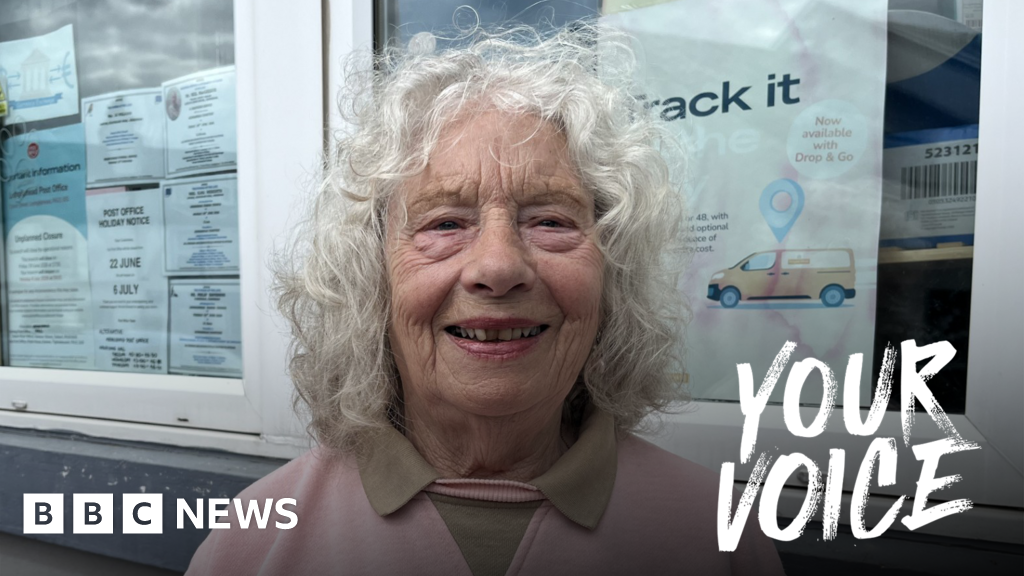
The closure of the last bank in Lochgilphead has caused concern among residents, particularly the elderly and vulnerable, who may struggle with online banking and rely on face-to-face services.
Imagine you live in a small town and the only bank is closing. You might be worried about how you'll get your money or pay your bills. That's what's happening in a town called Lochgilphead. Some people are helping each other by using the post office for banking, but it's not the same as having a real bank.
Analysis
The Impact of Bank Closures on Rural Communities
The closure of the last bank in Lochgilphead is not an isolated incident. According to figures from the consumer watchdog Which?, 742 bank branches have closed across Scotland since 2015. This trend is not unique to Scotland, with many rural areas across the UK experiencing a decline in banking services. The impact of these closures can be significant, particularly for elderly and vulnerable individuals who may struggle with online banking and rely on face-to-face services.
The closure of bank branches can also have a knock-on effect on local businesses, which may rely on banking services to deposit takings and manage their finances. In Lochgilphead, the community shop is concerned about the impact of the bank closure on their insurance, as they may need to hold more cash on site.
Alternative Solutions
In response to the bank closure, a buddy scheme has been set up to help elderly and vulnerable individuals use the local post office for banking. This scheme, set up by Karen McCurry, aims to provide support and guidance to those who may struggle with online banking. The post office is also offering limited banking services, although the sub-postmaster, Anna Dudziak, notes that they are not able to offer as many transactions as a bank.
The Need for Face-to-Face Banking Services
The closure of bank branches in rural areas highlights the need for face-to-face banking services. While online banking may be convenient for some, it is not a viable option for everyone, particularly those who are not comfortable using technology or who prefer to interact with a person. The UK government is carrying out a review into access to face-to-face banking, which is due to report in October. This review will examine the impact of bank closures on rural communities and consider alternative solutions, such as banking hubs, where banks share facilities to provide face-to-face services.
Key points
- The last bank in Lochgilphead is closing
- A buddy scheme has been set up to help elderly and vulnerable individuals use the local post office for banking
- The UK government is carrying out a review into access to face-to-face banking
The buddy scheme set up in Lochgilphead could be a model for other rural communities affected by bank closures. With the right support and guidance, individuals can learn to use alternative banking services, such as online banking or post office services. Additionally, the UK government's review into access to face-to-face banking may lead to new solutions, such as banking hubs, that could benefit rural communities.
The closure of bank branches in rural areas could have a long-term impact on local communities, particularly if alternative solutions are not found. The reliance on online banking may exacerbate existing social and economic inequalities, particularly for those who are not comfortable using technology or who do not have access to reliable internet services. Furthermore, the loss of face-to-face banking services could lead to a decline in local businesses and economic activity.