India in talks with Saudi Arabia for investment in strategic port projects
India is in discussions with Saudi Arabia for investment in strategic port projects, including Vadhavan and Galathea Bay, alongside broader cooperation in shipbuilding and seafarer training.
Intelligence analysis by Gemini 2.5 Flash
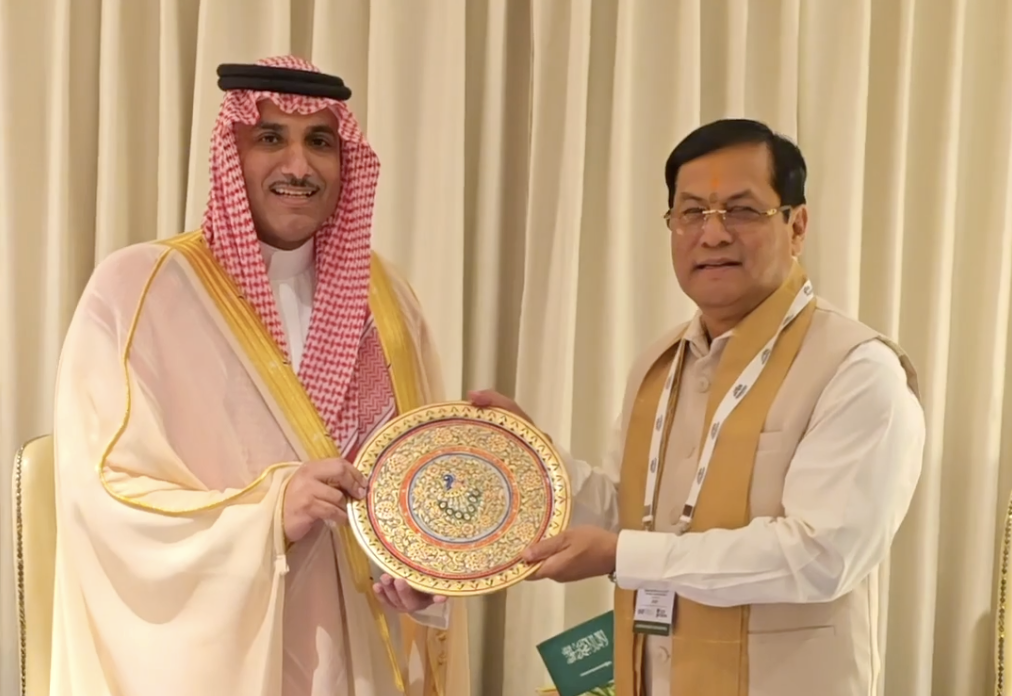
India is actively seeking Saudi Arabian investment in key port infrastructure, specifically the Vadhavan and Galathea Bay projects, to bolster its maritime trade and strategic presence. These discussions, held during a major maritime conference in New Delhi, aim to deepen a modern maritime partnership, aligning with both nations' economic diversification and strategic goals.
Imagine India wants to build some really big docks for ships, like giant parking lots for boats, so it can trade more toys and goods with other countries. India is talking to Saudi Arabia, asking them to help build these docks, especially in two important places called Vadhavan and Galathea Bay. It's like friends helping each other build a super cool treehouse, which will make it easier for both of them to play and share things with the world.
Analysis
Vadhavan
The Vadhavan Port project represents a critical component of India's long-term maritime strategy, particularly in strengthening its trade ties with the Gulf region. Positioned strategically near Mumbai, India's financial hub, this deep-water port is designed to accommodate ultra-large container vessels, addressing existing capacity constraints in other Indian ports. Its development is seen as instrumental in supporting the proposed India-Middle East-Europe Economic Corridor (IMEC), a significant initiative in which Saudi Arabia is a key participating country.
By enhancing India's ability to handle larger cargo volumes, Vadhavan is poised to become a vital gateway for international trade, streamlining logistics and potentially reducing shipping costs. The port's integration into the IMEC framework underscores its geopolitical importance, facilitating a more efficient and resilient trade route that bypasses traditional choke points. This strategic alignment makes Saudi investment particularly attractive, as it directly contributes to a corridor that benefits both nations' economic interests.
Galathea Bay
Galathea Bay is another pivotal port project, central to India's ambitious Great Nicobar Project. This initiative aims to significantly bolster India's strategic presence in the Andaman Sea and Southeast Asia, regions of immense geopolitical and economic importance. By developing Galathea Bay, India seeks to reduce its reliance on established transshipment hubs like Singapore, Colombo, and Port Klang, thereby enhancing its maritime autonomy and regional influence.
The port's development is not merely about trade efficiency; it's a strategic move to project Indian power and secure its maritime interests in a critical oceanic expanse. For Saudi Arabia, investing in Galathea Bay aligns with its broader economic diversification agenda, moving beyond its traditional role as an energy exporter to become a more significant player in international container transshipment. The project offers substantial opportunities for private participation in its greenfield development, including terminals and associated infrastructure, presenting a compelling investment rationale for the Kingdom.
Sagarmanthan
The discussions between India and Saudi Arabia took place on the sidelines of Sagarmanthan: The Great Oceans Dialogue 2026, South Asia's largest maritime conference. This event served as a crucial platform for high-level bilateral talks, bringing together over 1,200 speakers and participants from more than 70 countries. The presence of Saudi Ports Authority President Suliman Al-Mazroua as a speaker and his subsequent meeting with India's Minister of Ports, Shipping and Waterways Sarbananda Sonowal highlighted the mutual interest in deepening maritime cooperation.
During these talks, both nations explored the establishment of a joint working group to further collaboration across various maritime sectors, including energy, port investments, and seafarer capacity building. This comprehensive approach signifies a commitment to a multifaceted partnership, moving beyond transactional engagements to a more integrated and strategic alliance. The conference provided the ideal backdrop for these discussions, emphasizing the shared vision for a more connected and sustainable maritime future, as articulated by both Sonowal and Al-Mazroua on social media platforms.
Key points
- India is in talks with Saudi Arabia for investment in its strategic port projects.
- Discussions specifically include Saudi participation in the Vadhavan and Galathea Bay port projects.
- Vadhavan Port is crucial for India's trade with the Gulf and supports the proposed India-Middle East-Europe Economic Corridor (IMEC).
- Galathea Bay is central to India's Great Nicobar Project, aiming to strengthen its presence in the Andaman Sea and reduce reliance on transshipment hubs.
- Saudi Arabia's interest aligns with its economic diversification agenda and its goal to increase its role in international container transshipment.
The partnership could lead to significant infrastructure development in India, boosting its trade capacity and strategic reach in key maritime regions. For Saudi Arabia, it offers a pathway to diversify its economy beyond energy and increase its role in global transshipment, fostering mutual economic growth and regional stability.
Challenges could arise from ensuring the financial sustainability and environmental defensibility of these large greenfield projects, as highlighted by analysts. Geopolitical shifts or unforeseen economic hurdles might also impact the long-term viability and strategic alignment of the investments, potentially delaying or complicating their realization.