Indonesia steps up market reforms to avert MSCI downgrade
Indonesia's investment chief, Rosan Roeslani, argues that the country's market reforms are about building trust, not just pleasing index providers. Progress has been made through direct talks with MSCI, including efforts to tighten market transparency rules.
Intelligence analysis by Llama
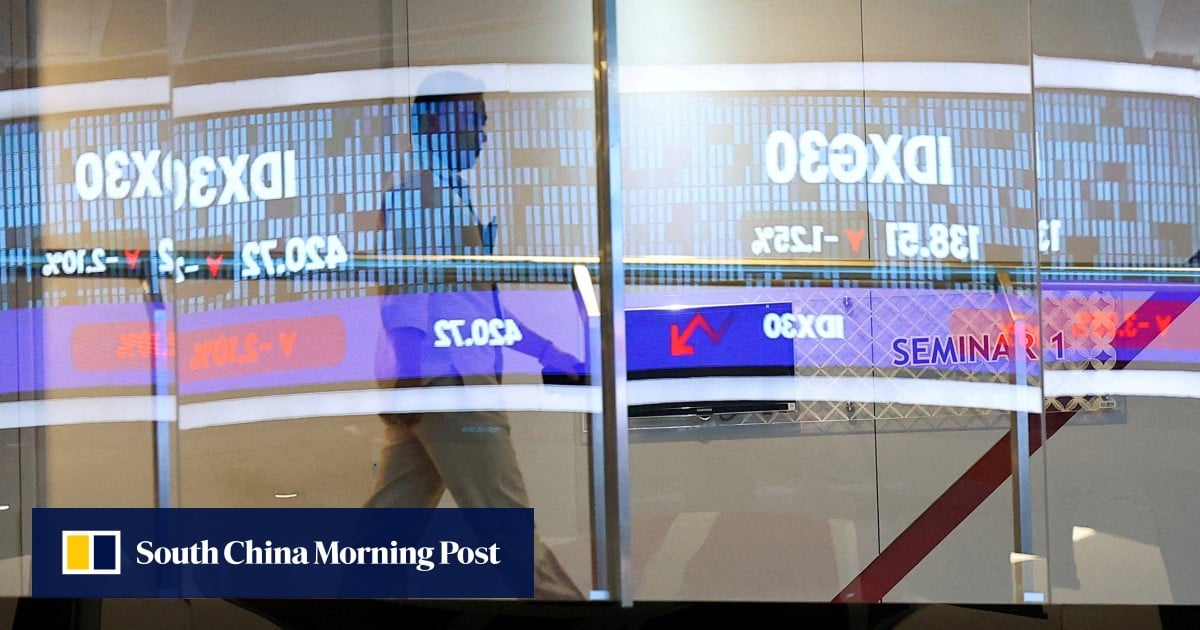
Indonesia's investment chief, Rosan Roeslani, emphasizes that the country's market reforms are about building trust, not just pleasing index providers. Progress has been made through direct talks with MSCI, including efforts to tighten market transparency rules.
Indonesia is trying to make its stock market more trustworthy so that it can attract more foreign investors. This is important because it can help the country's economy grow and create more jobs. However, there are still some problems that need to be fixed, like making sure that companies are transparent about who owns them.
Analysis
A $60B Vote of Confidence
Indonesia's investment chief, Rosan Roeslani, has emphasized that the country's market reforms are about building trust, not just pleasing index providers. This is a significant shift in the country's approach to market development, as it acknowledges the importance of transparency and credibility in attracting foreign investment.
The reforms have been driven by the need to address concerns raised by global index provider MSCI, which warned in January that Indonesia risked being demoted from emerging to frontier market status. This would have had significant implications for the country's economy, including a potential downgrade in its credit rating and a loss of foreign investment.
However, progress has been made through direct talks with MSCI, including efforts to tighten market transparency rules. Regulator the Financial Services Authority (OJK), the Indonesia Stock Exchange and securities depository KSEI all now require public disclosure of shareholders holding stakes above 1 per cent, alongside more detailed investor classifications, a system to flag highly concentrated ownership and plans to lift the minimum free-float threshold to 15 per cent.
While the reforms are a positive step, there are still concerns about the country's opaque shareholding structures and suspicions of coordinated trading. These issues need to be addressed to ensure that the country's market is truly transparent and credible.
Why Cursor?
Indonesia's market reforms are crucial for the country's economic growth and stability. A successful reform effort could attract more foreign investment and boost the country's stock market. This would have significant benefits for the country's economy, including increased economic growth, job creation and improved living standards.
However, the reforms are not without challenges. The country's opaque shareholding structures and suspicions of coordinated trading need to be addressed to ensure that the market is truly transparent and credible. This will require significant effort and commitment from the government and regulatory bodies.
The Road Ahead
The road ahead for Indonesia's market reforms is uncertain. While progress has been made, there are still concerns about the country's opaque shareholding structures and suspicions of coordinated trading. These issues need to be addressed to ensure that the country's market is truly transparent and credible.
However, if the reforms are successful, the benefits could be significant. A more transparent and credible market could attract more foreign investment, boost the country's stock market and drive economic growth. This would be a major achievement for the country and would have significant implications for its economic development.
Key points
- Indonesia's investment chief, Rosan Roeslani, emphasizes that the country's market reforms are about building trust, not just pleasing index providers.
- Progress has been made through direct talks with MSCI, including efforts to tighten market transparency rules.
- Regulator the Financial Services Authority (OJK), the Indonesia Stock Exchange and securities depository KSEI all now require public disclosure of shareholders holding stakes above 1 per cent.
- The country's opaque shareholding structures and suspicions of coordinated trading need to be addressed to ensure that the market is truly transparent and credible.
If Indonesia's market reforms are successful, the country could attract more foreign investment, boost its stock market and drive economic growth. This would be a major achievement for the country and would have significant implications for its economic development.
However, there are still concerns about Indonesia's opaque shareholding structures and suspicions of coordinated trading. These issues need to be addressed to ensure that the country's market is truly transparent and credible. If these issues are not addressed, it could lead to a loss of foreign investment and a decline in the country's stock market.