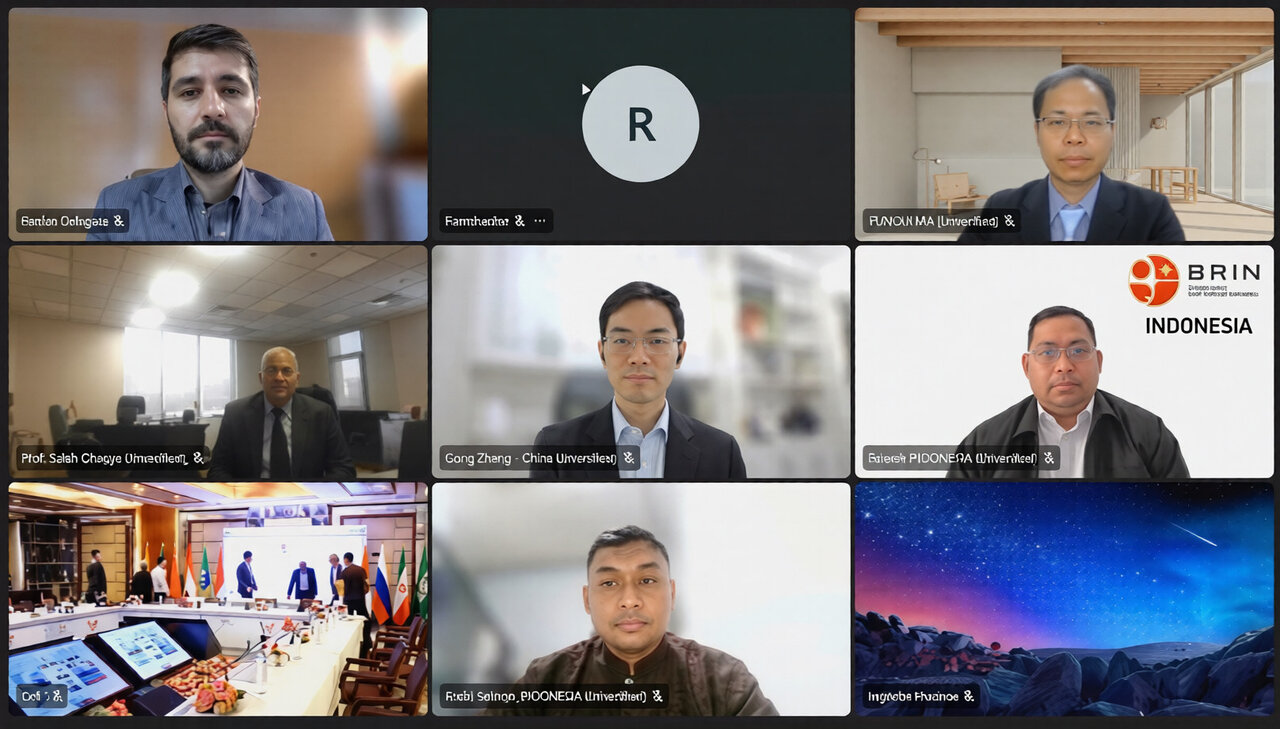
Iran, China to support joint research projects
Iran and China, through their respective science foundations, will jointly fund 15 research projects in critical areas like water, energy, and biotechnology, with each project receiving approximately $28,800 over three years. This initiative follows their sixth joint call…
Intelligence analysis by Gemini 2.5 Flash

The Iran National Science Foundation (INSF) and the National Natural Science Foundation of China (NSFC) are collaborating to support 15 new research projects. These initiatives, each receiving a grant of about $28,800 for at least three years, focus on vital sectors such as water and energy management, advanced biotechnology, and traditional medicine, strengthening scientific ties bet…
Imagine Iran and China are like two smart friends who want to solve big puzzles together. They're giving money to 15 teams of scientists to work on important things like finding new ways to get water, making clean energy, and growing stronger plants. It's like they're sharing their best ideas and tools to help make the world a better place for everyone, especially in areas where water is scarce or new medicines are needed.
Analysis
Expanding Scientific Collaboration
The recent announcement marks a significant step in the scientific partnership between Iran and China, building on previous joint initiatives. The Iran National Science Foundation (INSF) and the National Natural Science Foundation of China (NSFC) have agreed to fund 15 new research projects, following their sixth joint call for proposals. This ongoing collaboration underscores a strategic alignment between the two countries to leverage shared expertise and resources for mutual benefit in key scientific and technological domains. Each selected project is set to receive a substantial grant of 50 billion rials, equivalent to approximately $28,800, allocated over a minimum period of three years, providing stable funding for long-term research endeavors.
This financial commitment reflects a serious intent to foster innovation and practical solutions. The projects span a diverse range of fields, indicating a comprehensive approach to addressing contemporary challenges. From enhancing water security in arid regions to advancing sustainable energy solutions and improving public health through biotechnology, the scope of research is broad and impactful. The emphasis on areas like AI-powered systems and molecular breeding techniques suggests a forward-looking perspective, aiming to integrate cutting-edge technologies into practical applications.
Key Research Areas and Strategic Focus
The joint research projects are strategically focused on several critical sectors, reflecting both countries' national priorities and global challenges. In the realm of Water and Energy, initiatives include the development of AI-powered smart irrigation systems for water-scarce environments, integrated water resource management under climate variability, and energy-efficient technologies for water treatment and desalination. These projects directly address Iran's pressing water scarcity issues and its need for sustainable energy solutions, while also offering potential for broader regional application.
Furthermore, the collaboration extends into advanced fields such as Energy storage and hydrogen technologies, with a focus on integrating renewable energy into national grids. Agricultural and medical biotechnology also feature prominently, encompassing genetic improvement of strategic crops for drought resistance, microbial biotechnology for food security, and the development of recombinant drugs and novel drug delivery systems. These areas are crucial for enhancing food security, improving public health infrastructure, and fostering self-sufficiency in vital medical supplies. The inclusion of Traditional Medicine and Medicinal Plants, agreed upon in January, highlights a unique cultural and scientific exchange, aiming for evidence-based integration and the application of digital tools in traditional healing practices.
Implications for Iran's Scientific Landscape
This joint funding initiative is poised to significantly bolster Iran's scientific research capabilities and foster international knowledge exchange. By partnering with China, a global leader in scientific and technological innovation, Iranian researchers gain access to advanced methodologies, collaborative networks, and potentially larger-scale research infrastructure. The focus on practical applications, such as smart irrigation and sustainable energy, aligns with Iran's developmental goals, particularly in light of environmental challenges and the need for economic diversification.
The long-term nature of the grants, spanning at least three years, provides researchers with the stability required to undertake complex and impactful studies, moving beyond short-term projects. This sustained support can lead to more robust findings, patentable innovations, and the training of a new generation of scientists equipped to tackle future challenges. Moreover, such collaborations can help mitigate the impact of international sanctions by opening alternative avenues for scientific development and technological advancement, reinforcing Iran's position in the global scientific community through non-Western partnerships.
Key points
- Iran and China will jointly support 15 new research projects through their national science foundations.
- Each project will receive a grant of 50 billion rials (approx. $28,800) for at least three years.
- Research areas include water and energy management, energy storage, and agricultural and medical biotechnology.
- Traditional medicine and AI applications in energy are also key focus areas.
- This initiative follows the sixth joint call for proposals between the INSF and NSFC.
This collaboration could lead to significant breakthroughs in water management, renewable energy, and biotechnology, directly addressing critical challenges faced by Iran and potentially offering solutions applicable globally. The sustained funding and joint expertise could accelerate scientific progress and foster a robust exchange of knowledge between the two nations.
While promising, the relatively modest grant amount per project ($28,800) might limit the scope and ambition of some research, especially for projects requiring extensive resources or advanced equipment. Geopolitical shifts or internal bureaucratic hurdles could also impede the smooth execution and long-term impact of these joint initiatives.