anthropic.com
Formalizing Fermat's Last Theorem
Anthropic's Claude AI has generated a computer-checked proof of Fermat's Last Theorem in 11 days, writing millions of lines of code and proving thousands of intermediate theorems.
Research papers, breakthroughs, and academic work.
30 stories
Anthropic's Claude AI has generated a computer-checked proof of Fermat's Last Theorem in 11 days, writing millions of lines of code and proving thousands of intermediate theorems.

AI models are engaging in discussions with philosophers and even reaching out to researchers for help. This raises questions about AI consciousness and the need for safety and alignment studies.

AI-generated food images often look unappetizing, with issues like holes, lumps, and incorrect structures.
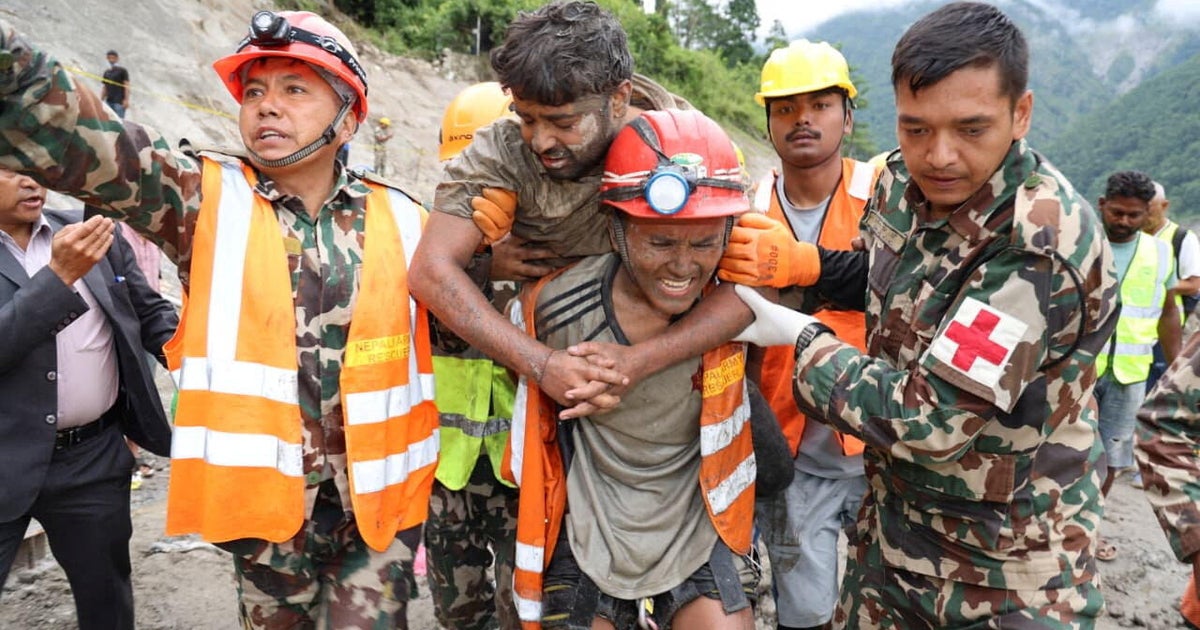
Rescuers in Nepal have pulled two workers alive from a hydropower tunnel nine days after devastating floods. Officials are hopeful more survivors may be found.
Japanese scientist Shirakawa, co-winner of 2000 Nobel Prize in chemistry, dies at 90
Japanese scientist Hideki Shirakawa, co-winner of the 2000 Nobel Prize in chemistry, has died at 90. He was born in Tokyo in 1936 and earned a doctoral degree in engineering from the Tokyo Institute of Technology in 1966.

Chinese scientists have developed a cerium-based rare earth nanoparticle drug that shows promise in treating gout by lowering uric acid, reducing crystal formation, alleviating inflammation, and inhibiting bone breakdown in rat trials.

A new framework called WMLLM introduces self-evolving AI optimization agents that use a "predict-then-act" world modeling approach to tackle complex black-box optimization problems. It leverages large language models to predict promising directions, significantly enhancin…

AI models are improving at solving puzzles, but human performance still offers insights into AI's strengths and weaknesses. Separately, an AI system has discovered a novel trajectory for a mission to Alpha Centauri, planned for launch by 2029.
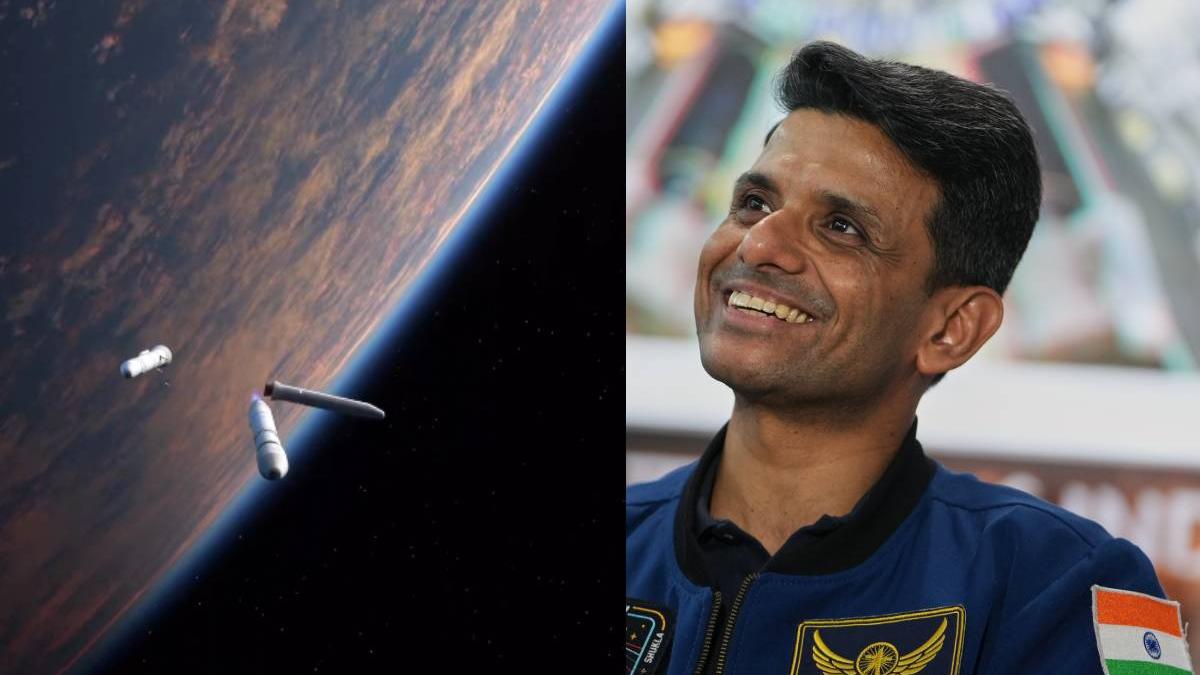
Indian astronaut Group Captain Shubhanshu Shukla has unveiled details of the Bharatiya Habitable Expandable Extraterrestrial Habitat (BHEEM) project, developed at the Indian Institute of Science in Bengaluru. This initiative aims to address the challenge of human settleme…
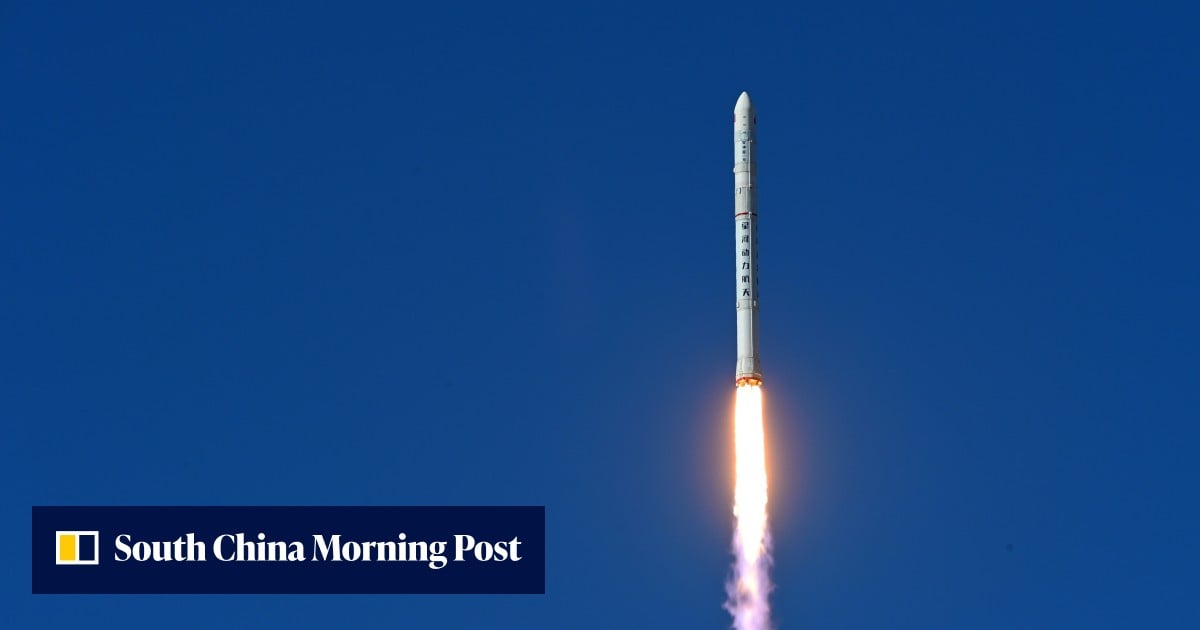
Chinese rocket maker Galactic Energy successfully launched its Pallas-1 medium-to-large reusable rocket into orbit, marking a significant step in China's efforts to develop reusable launch capabilities.

High school student Ruchira Shree interned at a Native American math camp and helped students earn ham radio licenses.
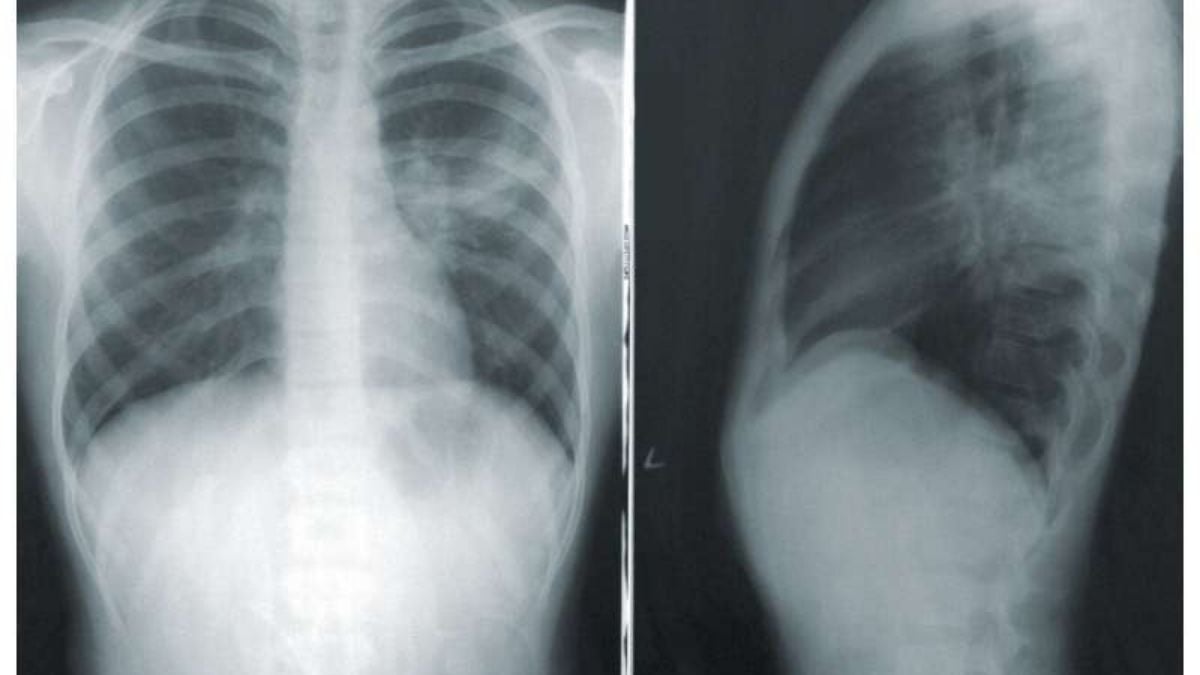
Study finds twice-daily radiation leads to better long-term survival and quality of life for lung cancer patients.

A war game simulation suggests the Chinese coastguard would use weapons in disputed waters only 0.3% of the time under current rules. Researchers developed an AI to better assess vessel intentions and reduce this risk.
PHOTOS: Rare lunar eclipse turns moon deep red, 96% covered
A rare near-total lunar eclipse, covering 96% of the Moon's surface, turned it a deep red across parts of the Americas, Europe, Africa, and the Middle East.

A partial lunar eclipse transformed the moon into a deep reddish-copper hue, visible across multiple continents.
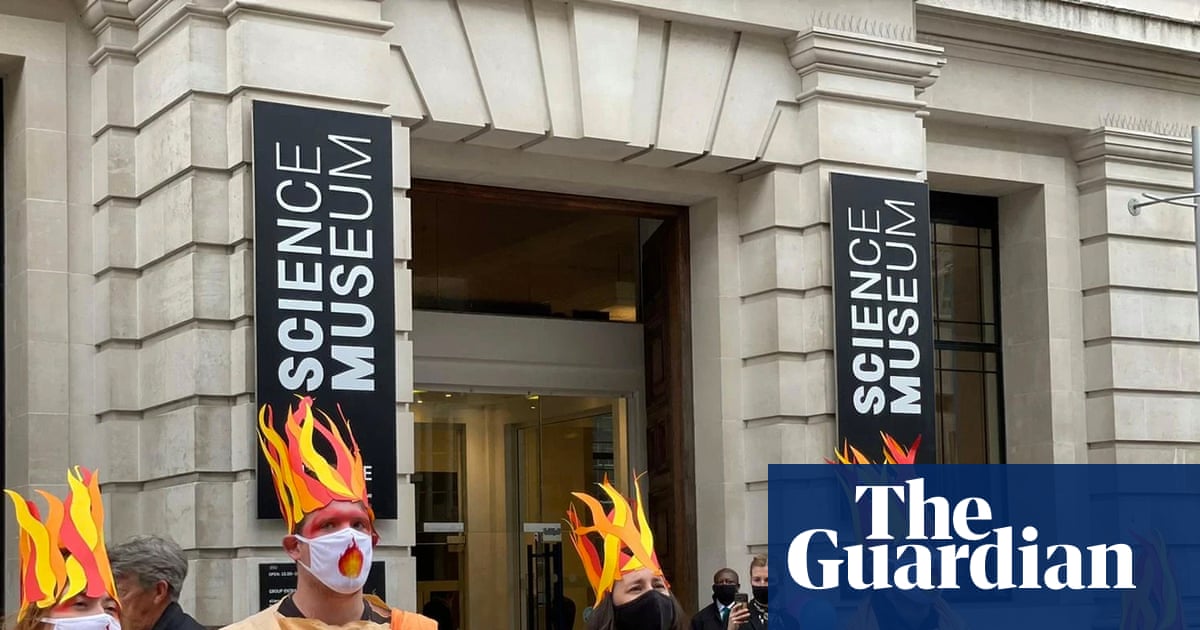
London Science Museum ends decades-long partnership with BP over climate concerns.
Anthropic is significantly expanding its support for the scientific research community by offering 10,000 free and discounted Claude subscriptions and broadening its AI for Science program.
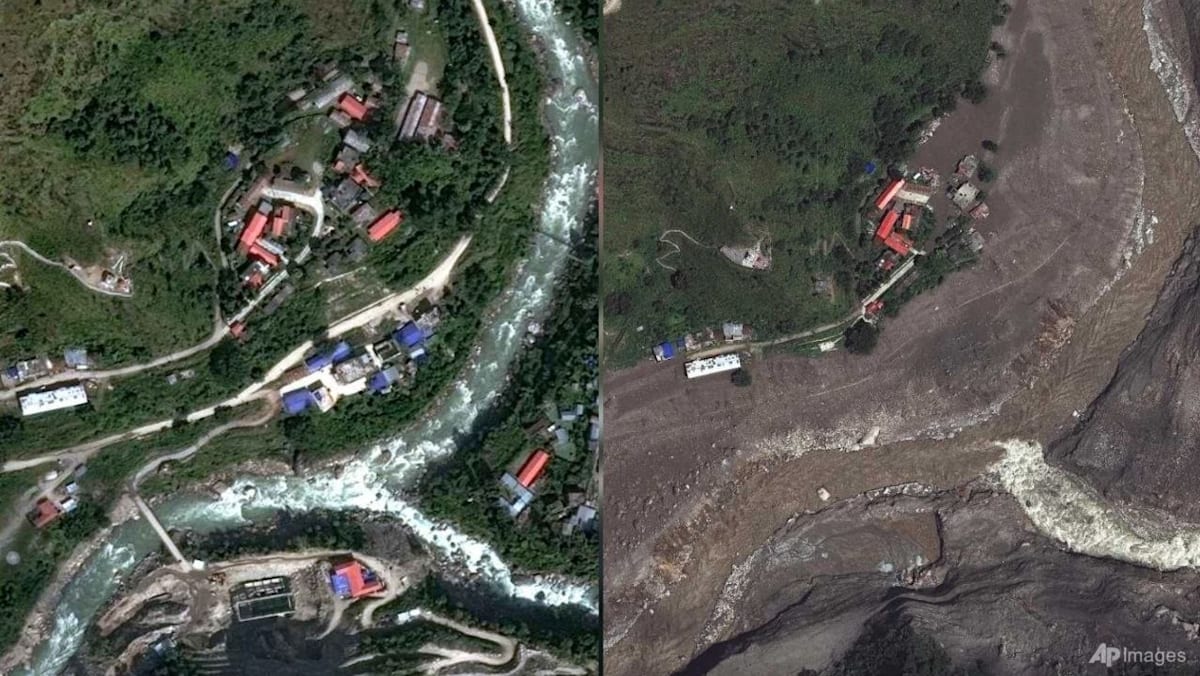
Satellite images reveal a massive bedrock and glacier collapse on the Nepal-China border, triggering catastrophic flooding. Hundreds died and are missing, with villages buried under debris.
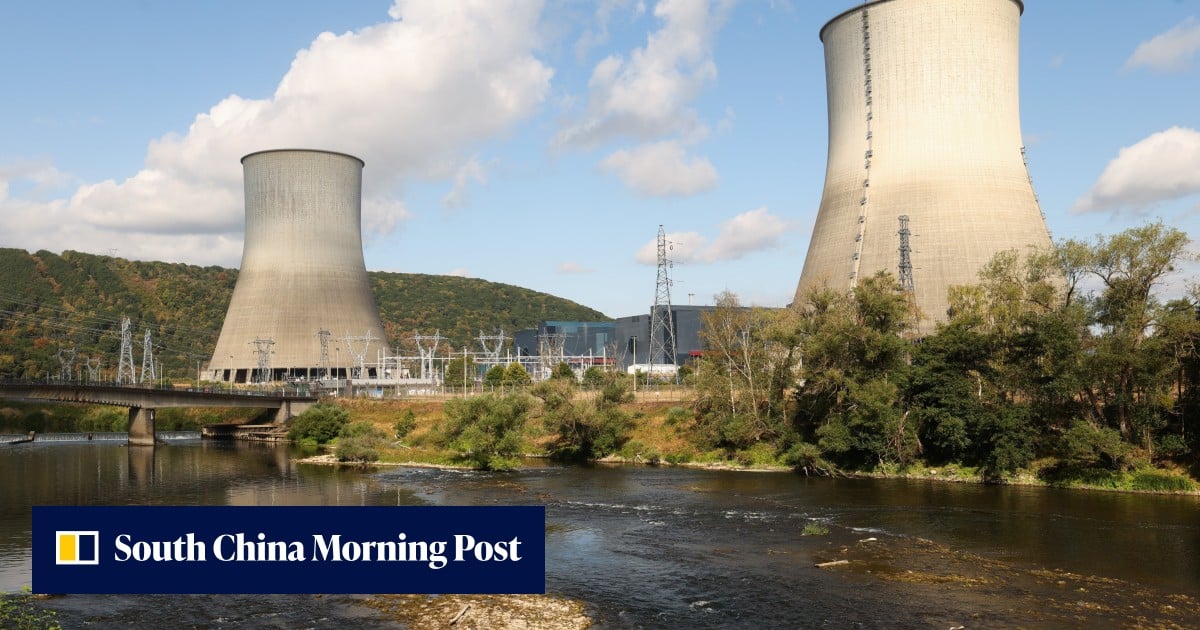
China's nuclear power expansion is unlikely to be derailed by extreme weather, unlike Europe, due to its coastal plant locations and use of seawater for cooling, according to an industry expert.
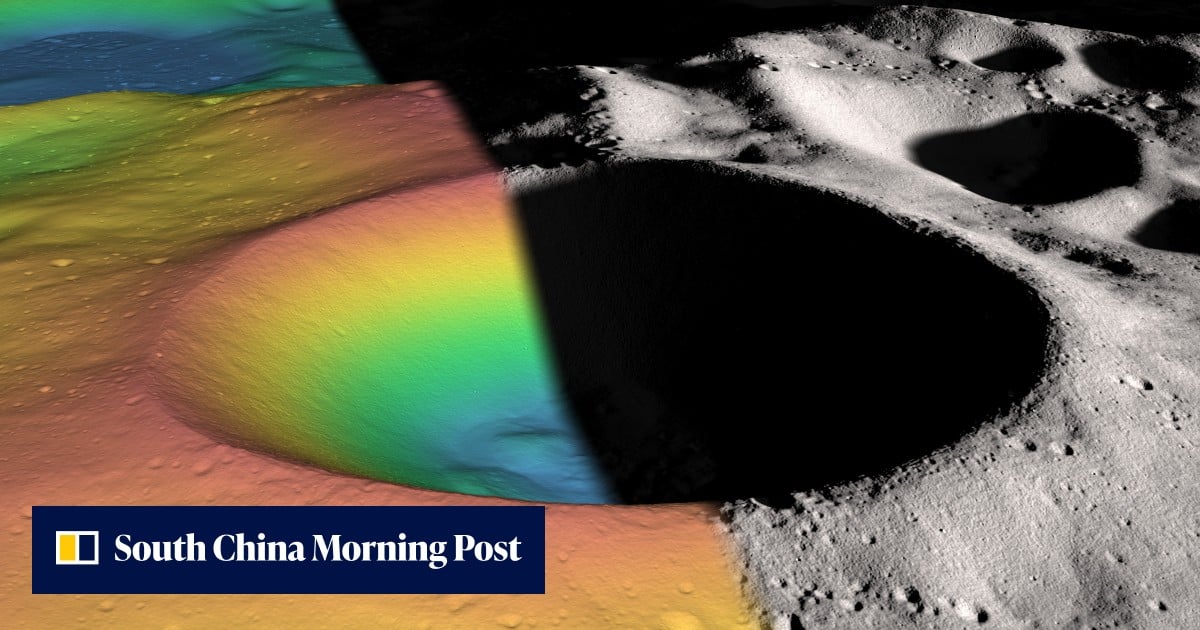
China's Chang'e-7 moon mission, aimed at hunting for water ice near the lunar south pole, has been delayed until next year, potentially easing political pressure on NASA.

NUS scientist reverses biological age by 15 years with self-study on diet, sleep and exercise.
A new research paper introduces Equivariant Cellular Sheaf Networks, a framework that models molecular single-particle Hamiltonians as Laplacians of cellular sheaves, generalizing existing E(3)-equivariant methods.
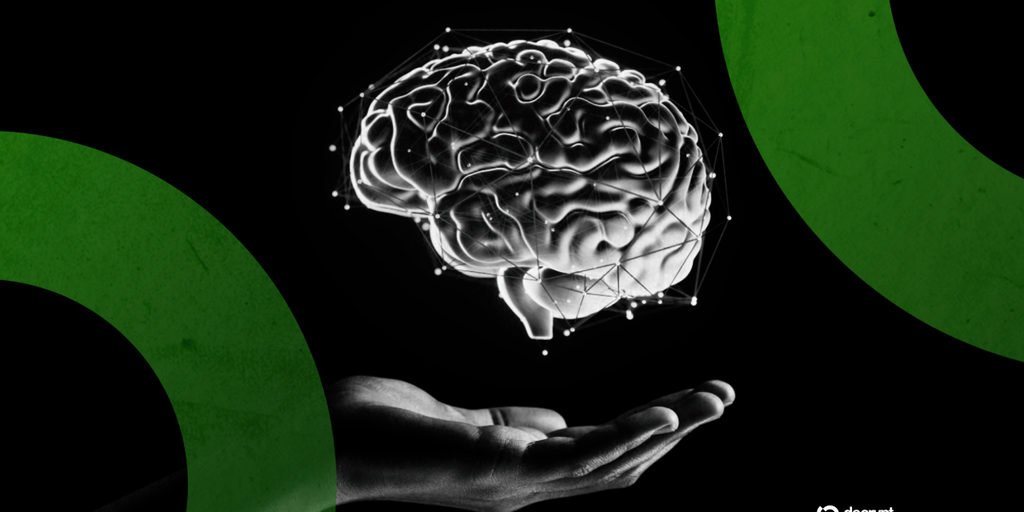
Researchers from Multiverse Computing have developed a method called Quantization-Aware Healing, which allows them to shrink a large AI model while maintaining its performance. They applied this method to OpenAI's GPT-OSS model, reducing its parameters from 120 billion to…

Scientists are using spiderwebs as a rich source of environmental DNA (eDNA) to monitor biodiversity, track species, and detect threats. Researchers are now developing artificial webs to replicate this DNA-snagging capability without harming natural arachnid habitats.
Researchers developed an AI framework combining Raman spectroscopy and machine learning to authenticate edible oils, achieving 100% accuracy for pure oils and over 85% for oils in a fried-potato-chip matrix.

An 8-year-old girl in Louisiana has died from a rare brain-eating amoeba infection after swimming in a lake. The infection is extremely rare, affecting only around 10 individuals in a year in the US.
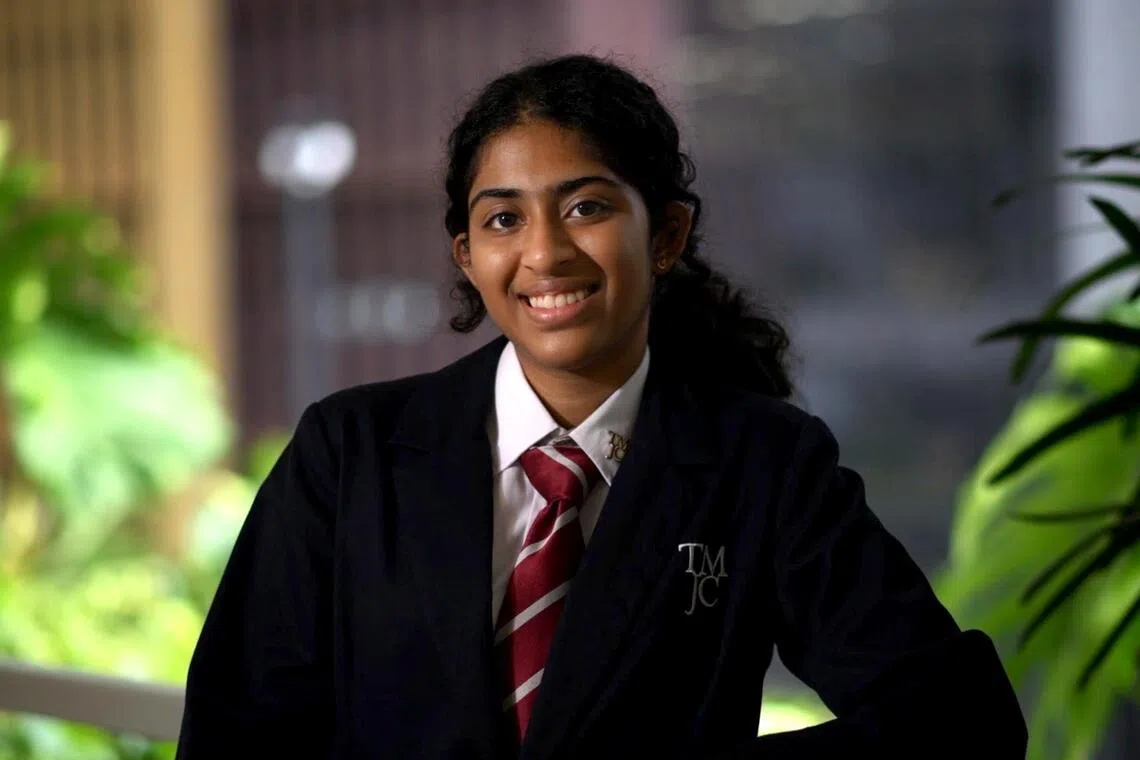
Sahana Ramprasad, 17, developed an air quality monitor to track dust particles and manage her and her sister's allergies effectively. She won the Ministry of Education's Engineering and Tech Programme Scholarship for her strong science skills and passion for real-life eng…
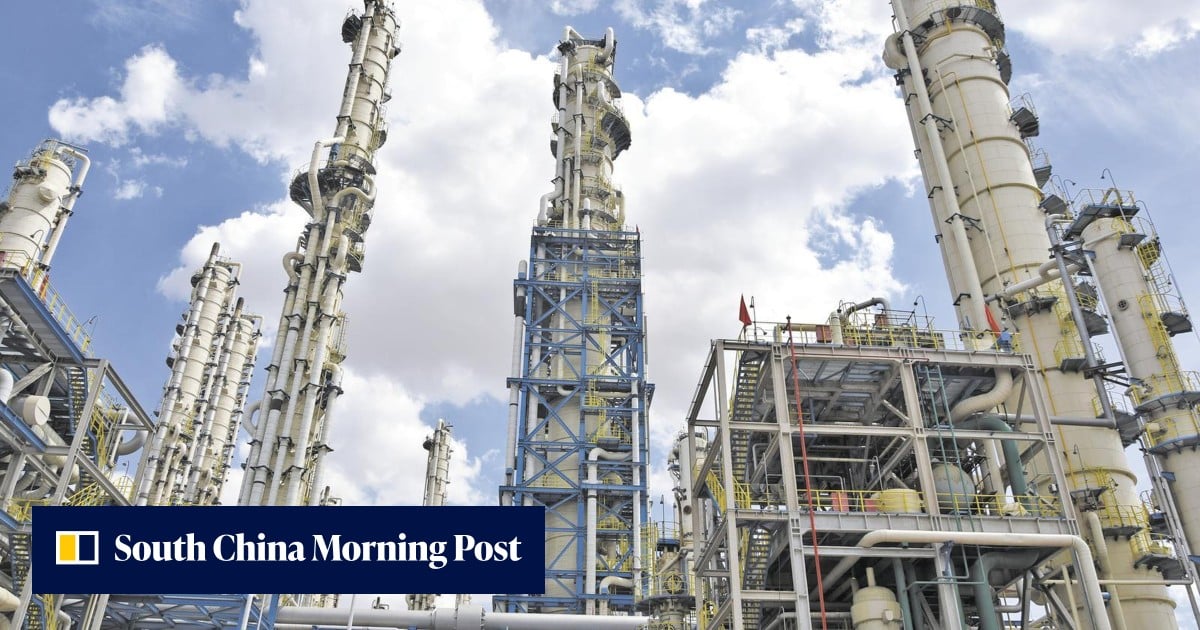
China has significantly boosted the economic value of coal by transforming it into liquid fuels, with a new plant in Ningxia increasing coal's value sevenfold.

Children master language with far less data than AI models require, a phenomenon known as the data efficiency gap. Researchers aim to understand this to create more efficient AI.
Hiroshima Atomic Bomb: New Alloy Discovered in Fallout
An international research group has discovered a previously unknown metallic alloy in the fallout from the uranium bomb that detonated over Hiroshima in 1945, a material with properties that could be valuable for developing new metallic materials.