Iran Supreme Leader Vows Revenge for Father's Killing
Iran's Supreme Leader Ayatollah Syed Mojtaba Khamenei vowed revenge for his father's killing by US-Israeli strikes. He threatened to target individuals on a compiled list, while President Donald Trump warned against any attempt to assassinate him.
Intelligence analysis by Llama
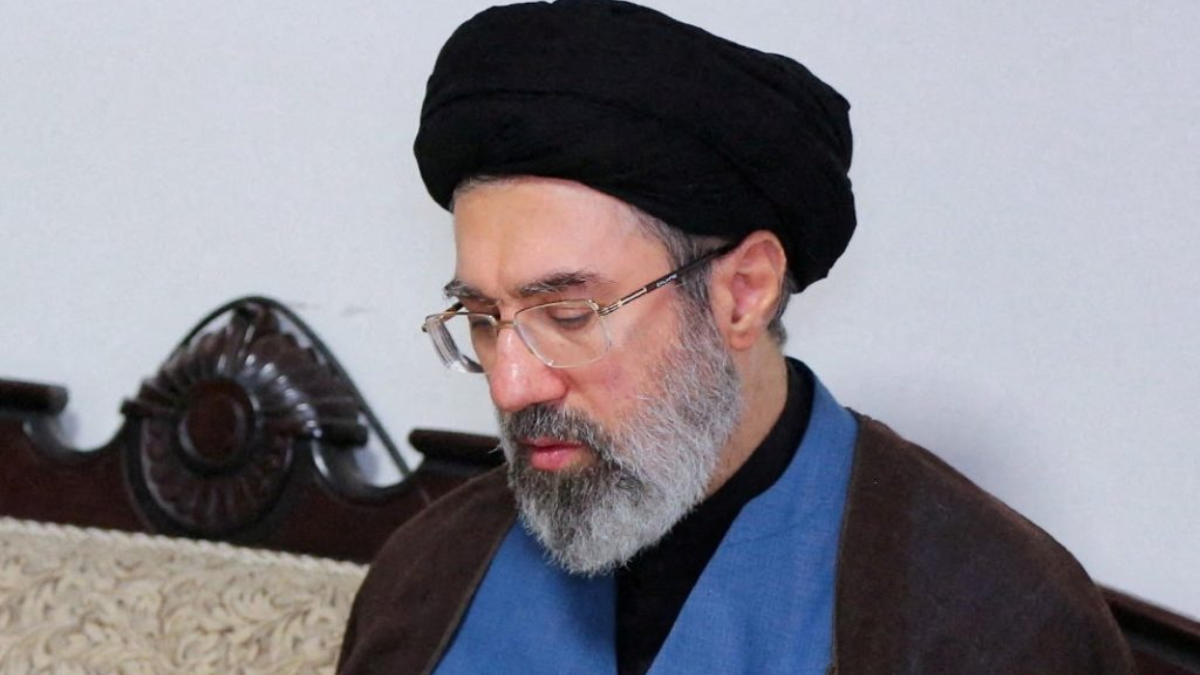
Iran's Supreme Leader Ayatollah Syed Mojtaba Khamenei vowed revenge for his father's killing by US-Israeli strikes. He threatened to target individuals on a compiled list, while President Donald Trump warned against any attempt to assassinate him. The exchange of threats comes as mediators try to salvage diplomacy after a war broke out in late February.
Iran's Supreme Leader is very angry because his dad was killed by the US and Israel. He's threatening to hurt people who he thinks did it, and the US President is saying that if anyone tries to hurt him, the US will hurt Iran very badly. This is making it hard for people to trade and travel in the area.
Analysis
A War of Words and Missiles
The exchange of threats between Iran and the US has reached a fever pitch, with both sides vowing revenge and warning against any attempt to assassinate each other. Iran's Supreme Leader Ayatollah Syed Mojtaba Khamenei has vowed to target individuals on a compiled list, while President Donald Trump has warned that any attempt to assassinate him would lead to the 'complete decimation' of Iran.
The rhetoric has been escalating for weeks, with both sides trading blows and neither willing to back down. The war has already had a major impact on the world economy, particularly in the energy-rich Gulf countries. The Strait of Hormuz, a key conduit for oil and gas exports, has been closed to commercial shipping, heavily impacting global trade.
Despite the tensions, mediators have been working to bring diplomacy back on track. A Qatari delegation has visited Iran to try to reinforce Qatar's role as a mediator, while Pakistan's Prime Minister Shehbaz Sharif has spoken with Iran's President Masoud Pezeshkian, urging him to safeguard the 'hard-earned peace' in the region.
However, Iran's chief negotiator in talks with Washington, Mohammad Bagher Ghalibaf, has struck a defiant tone. 'Ending the war is a priority for the countries of the world, but everyone must know that this confrontation will never end with Iran's surrender,' he said.
The situation remains volatile, with both sides dug in and neither willing to back down. The world waits with bated breath to see what will happen next.
Key points
- Iran's Supreme Leader Ayatollah Syed Mojtaba Khamenei vowed revenge for his father's killing by US-Israeli strikes.
- He threatened to target individuals on a compiled list.
- President Donald Trump warned against any attempt to assassinate him.
- The exchange of threats comes as mediators try to salvage diplomacy after a war broke out in late February.
- The conflict has already had a major impact on the world economy, particularly in the energy-rich Gulf countries.
Despite the tensions, there are still efforts underway to bring diplomacy back on track. A Qatari delegation has visited Iran to try to reinforce Qatar's role as a mediator, and Pakistan's Prime Minister has spoken with Iran's President to urge him to safeguard the 'hard-earned peace' in the region. If these efforts are successful, it could lead to a reduction in tensions and a return to diplomacy.
The situation remains volatile, with both sides dug in and neither willing to back down. If the conflict continues to escalate, it could lead to a major war, with significant consequences for regional stability and global security. The closure of the Strait of Hormuz has already had a major impact on the world economy, and if the conflict continues, it could lead to even more severe consequences.