Iran War: Strait of Hormuz Remains Closed, Says Iran
Iran has denied US President Donald Trump's claims that the US has full control over the Strait of Hormuz. The Iranian government has stated that the Strait will remain closed until its conditions are met. The US has been blockading Iranian ports in the Strait since April…
Intelligence analysis by Llama
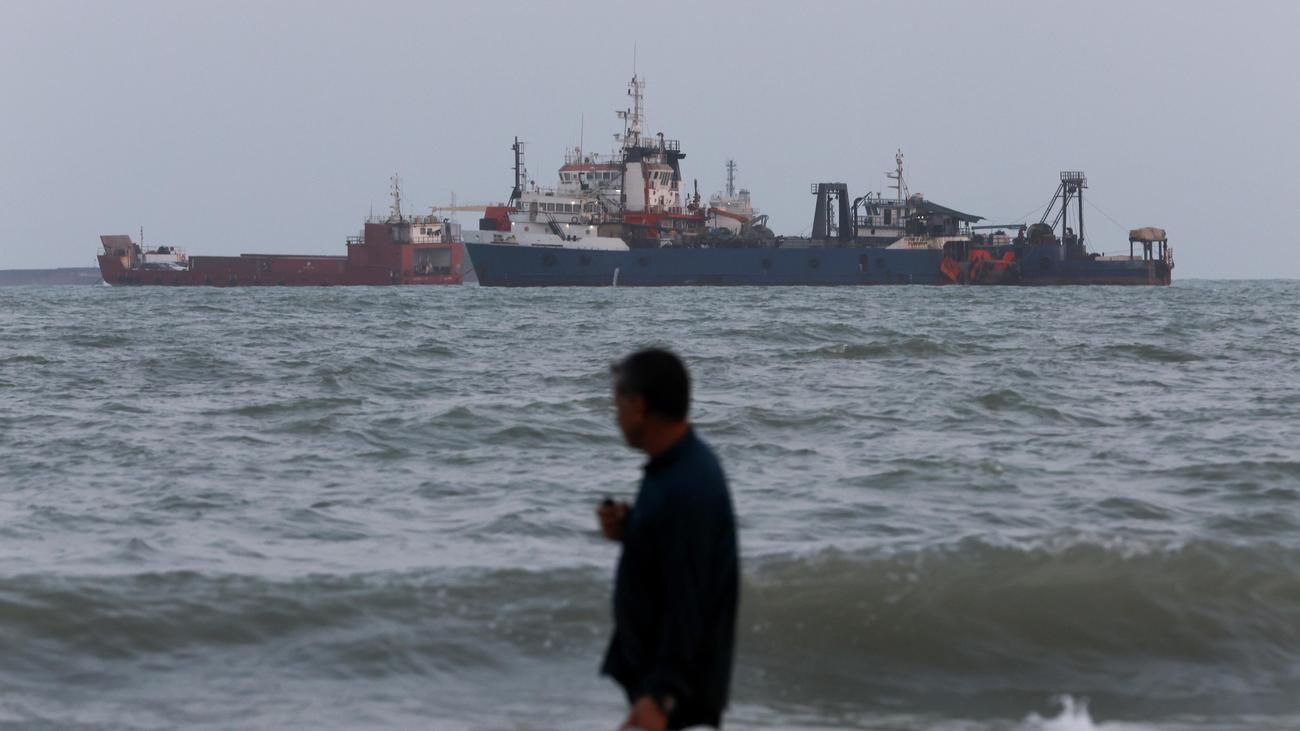
Iran has denied US President Donald Trump's claims of control over the Strait of Hormuz, stating that the waterway will remain closed until its conditions are met. The US has been blockading Iranian ports in the Strait since April 13.
Imagine a big waterway that connects the Middle East to the rest of the world. The US and Iran are fighting over who gets to control this waterway, which is important for shipping oil. The US is blockading Iranian ports, but Iran says it won't open the waterway until its conditions are met.
Analysis
Background on the Iran-US Conflict
The Iran-US conflict has been ongoing for several months, with the US imposing economic sanctions on Iran and Iran retaliating with military attacks on US targets. The conflict escalated in February when Israel and the US launched a joint attack on Iran, killing Ayatollah Ali Khamenei, the leader of Iran. Modjtaba Khamenei, the son of Ali Khamenei, has since taken over as the new leader of Iran.
The Role of the Strait of Hormuz
The Strait of Hormuz is a critical waterway that connects the Persian Gulf to the Gulf of Oman, and is a major route for oil shipments from the Middle East to global markets. The US has been blockading Iranian ports in the Strait since April 13, in an effort to pressure Iran to negotiate a ceasefire. Iran has denied US claims of control over the Strait, stating that it will remain closed until its conditions are met.
The US-Iran Ceasefire Agreement
On April 8, the US and Iran agreed to a two-week ceasefire, with the US agreeing to suspend its attacks on Iran in exchange for Iran opening the Strait of Hormuz. However, the US has since resumed its attacks on Iran, citing Iran's failure to meet its conditions. The ceasefire agreement has been extended several times, with the US and Iran agreeing to continue negotiations.
The Implications of the Conflict
The Iran-US conflict has significant implications for global trade and security. The blockage of the Strait of Hormuz has disrupted oil shipments from the Middle East, leading to price increases and economic instability. The conflict has also raised concerns about the potential for further military escalation and the impact on regional stability.
Key points
- The Iran-US conflict has been ongoing for several months, with the US imposing economic sanctions on Iran and Iran retaliating with military attacks on US targets.
- The conflict escalated in February when Israel and the US launched a joint attack on Iran, killing Ayatollah Ali Khamenei, the leader of Iran.
- Modjtaba Khamenei, the son of Ali Khamenei, has taken over as the new leader of Iran.
- The US has been blockading Iranian ports in the Strait of Hormuz since April 13, in an effort to pressure Iran to negotiate a ceasefire.
- Iran has denied US claims of control over the Strait of Hormuz, stating that it will remain closed until its conditions are met.
If the US and Iran can reach a lasting ceasefire agreement, it could lead to a significant reduction in tensions and a return to normal trade and economic activity in the region. This could also lead to a decrease in oil prices and a stabilization of the global economy.
If the conflict escalates further, it could lead to a significant increase in oil prices, economic instability, and regional instability. This could also lead to a further deterioration in US-Iran relations and a potential for military conflict.