Wadephul sees further Russian plans beyond Ukraine war
CDU politician Johann Wadephul warns that Russia has ambitions extending beyond the Ukraine conflict, potentially aiming to restore Soviet-era influence.
Intelligence analysis by Gemini 2.5 Flash Lite
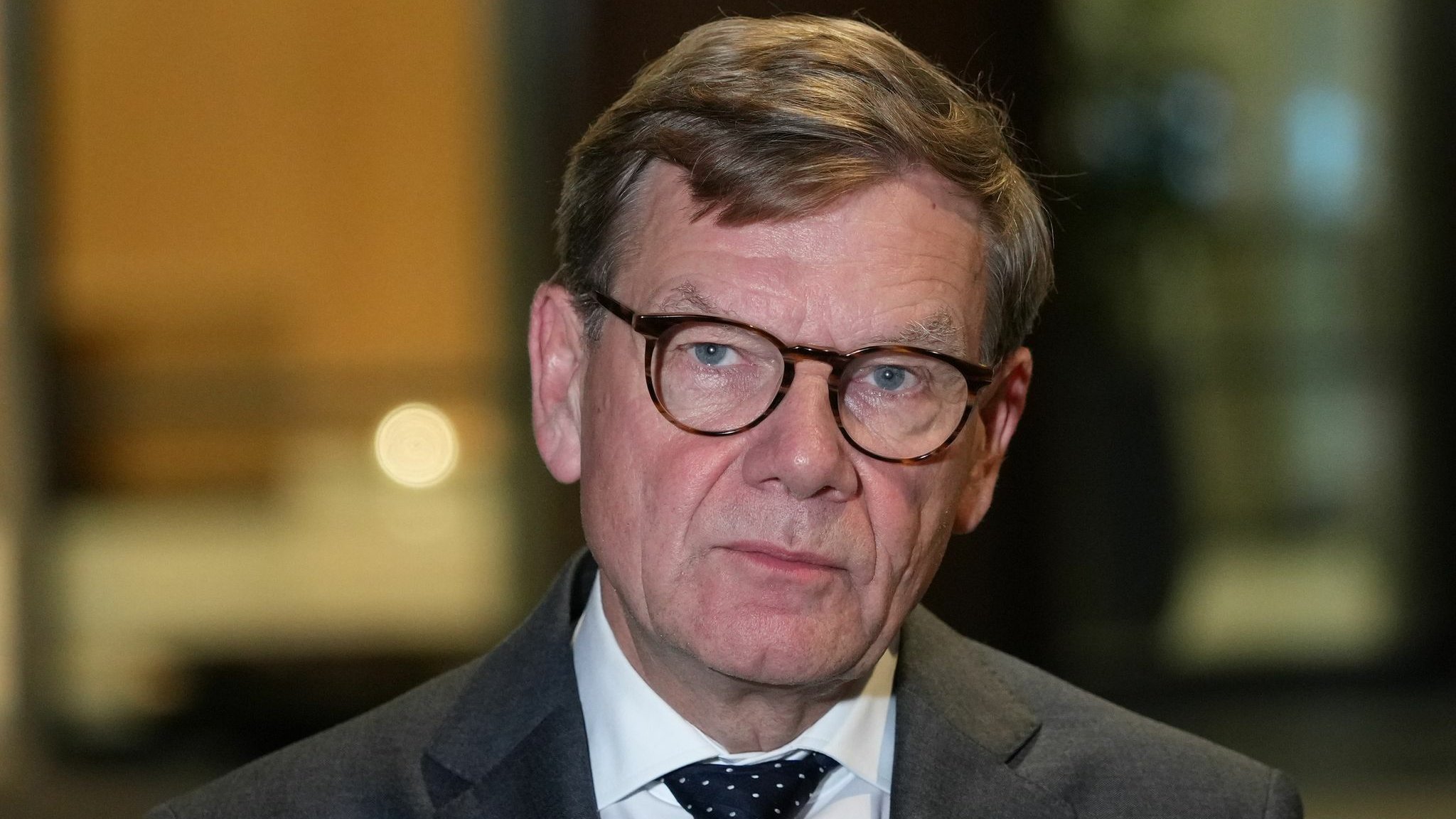
Johann Wadephul, a CDU politician, expressed concern that Russia's actions in Ukraine are part of a larger agenda to reclaim influence over former Soviet states, including Georgia, Moldova, and the Baltics, which are now NATO and EU members.
Imagine Russia is like a kid who lost a big toy box (the Soviet Union) and wants it back. A German politician thinks Russia isn't just trying to get Ukraine's toys, but might want toys from other neighbors too, like Georgia or the Baltics. Since Germany and its friends promised to protect those neighbors if they are in a club (NATO), this could mean trouble for Germany too.
Analysis
Putin's "Greatest Catastrophe"
Johann Wadephul, a member of the German CDU party, has articulated a stark warning regarding Russia's strategic objectives, suggesting they extend significantly beyond the current conflict in Ukraine. Wadephul posits that Russian President Vladimir Putin views the collapse of the Soviet Union as the "greatest catastrophe of the 20th century" and is actively seeking to "repair" this perceived historical damage. This ambition, according to Wadephul, encompasses not only Ukraine but also other former Soviet republics such as Georgia and Moldova, as well as the Baltic states. The implication is that Russia's current military actions are a stepping stone towards reasserting dominance over a wider geographical area, potentially reigniting Cold War-era geopolitical tensions.
NATO and EU Membership as Triggers
The inclusion of Ukraine, Georgia, Moldova, and the Baltic states within the European Union and NATO framework is a critical element in Wadephul's analysis. He emphasizes that these nations' current alliances directly involve Germany and other NATO allies. This means that any Russian aggression or encroachment into these territories would not be a localized issue but would trigger collective defense obligations under NATO's Article 5. Wadephul explicitly stated that Germany's security is compromised not only by an attack on its own territory but also by any transgression across the borders of its eastern allies, such as Poland, Estonia, Latvia, or Lithuania. This highlights a perceived direct and immediate threat to German and broader European security stemming from Russia's alleged expansionist aims.
Germany's Security Commitments
Wadephul's remarks underscore the evolving understanding of national security within Germany and NATO. The traditional view of direct territorial invasion as the sole trigger for defense has been broadened to encompass the security of allied borders. This perspective implies a proactive stance, where Germany must be prepared to respond to threats against its neighbors as if they were direct attacks. The CDU politician's comments serve as a reminder of the significant security commitments Germany has as a NATO member and the potential for escalating regional conflicts to draw in the alliance, with profound implications for European stability and German foreign policy.
Key points
- CDU politician Johann Wadephul believes Russia has expansionist plans beyond Ukraine.
- He suggests Putin aims to 'repair' the collapse of the Soviet Union.
- These alleged plans include Ukraine, Georgia, Moldova, and the Baltic states.
- Wadephul warns that these nations' NATO and EU membership makes any Russian aggression a direct threat to Germany.
- He stated that an attack on allied borders is equivalent to an attack on German territory.
If Russia's ambitions are indeed limited and do not extend to former Soviet states, then the current geopolitical tensions might de-escalate, allowing for a return to more stable diplomatic relations and reduced military spending across Europe. Germany and its allies could then focus on domestic economic and social priorities.
If Wadephul's assessment is accurate and Russia actively seeks to destabilize or reclaim former Soviet territories, it could lead to prolonged conflicts, increased military spending, and a heightened risk of direct confrontation between Russia and NATO, with severe consequences for European security and economic stability.