Iraqi students to become 'tourism ambassadors' for Kermanshah
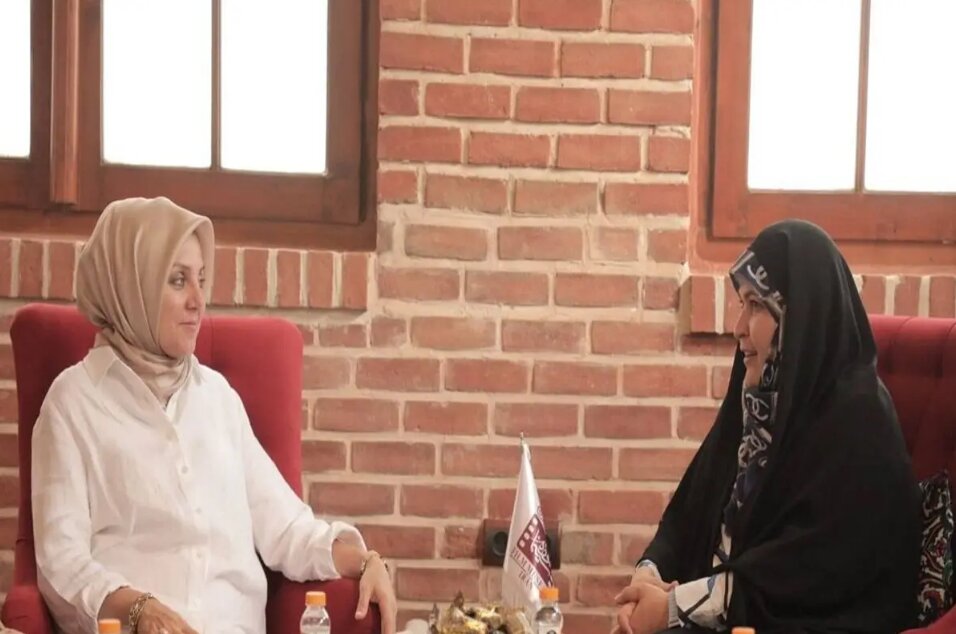
Iraqi students studying in Iran's Kermanshah province will be trained as tourism ambassadors to promote the region's historical sites back home, a provincial official said.
Intelligence analysis by Llama
Kermanshah's tourism authority is partnering with Islamic Azad University to train Iraqi students as certified guides, aiming to leverage their cross-border ties and digital skills to promote the province's 4,000+ historical sites in Iraq.
Iran's Kermanshah province is full of really old ruins, and the people in charge want more tourists. So they're teaching Iraqi college students who already live there how to be tour guides, hoping those students will go home and tell everyone in Iraq how cool Kermanshah is. It's like having a friend from another town tell classmates about the best pizza place — you trust them more than a sign on the road.
Analysis
Kermanshah's 4,000 historical sites
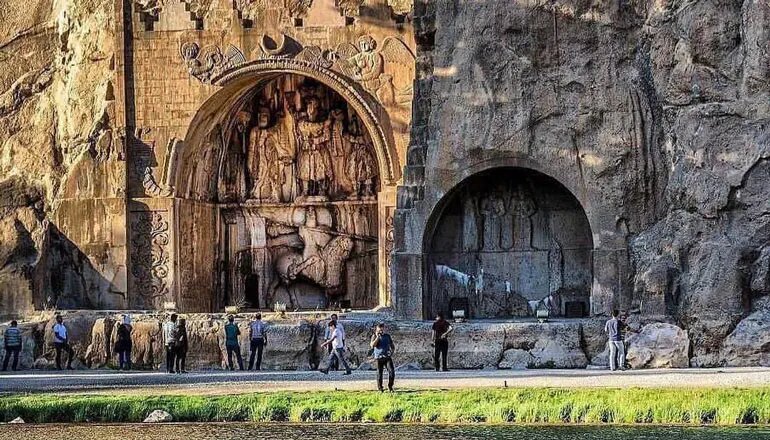
Kermanshah sits on the western edge of Iran, a sliver of territory pressed against Iraq, and is one of the country's richest archaeological corridors. The province hosts more than 4,000 registered and unregistered historical sites, according to Fahimeh Roshan, the deputy for tourism at the provincial Department of Cultural Heritage, Tourism and Handicrafts. That inventory — much of it pre-Islamic, including the UNESCO-tagged Bisotun inscription and Taq-e Bostan — has long been overshadowed in Iran's tourism economy by the better-marketed circuits of Isfahan, Shiraz, and Yazd. Officials now appear to be treating the depth of the heritage base as an underused asset rather than a constraint, and the ambassador program is one of the first structured attempts to export that story beyond Iran's borders.
Fahimeh Roshan's ambassador blueprint
The mechanics of the plan are modest but concrete. Roshan's department will coordinate with the Kermanshah branch of Islamic Azad University, the country's largest private higher-education network, to identify Iraqi students already enrolled locally. Those students would receive tourism guide training, sit for a formal examination, and, if successful, receive official guide cards that grant them access to industry facilities. The logic is straightforward: a student from Najaf or Karbala who spends formative years in Kermanshah and returns home is, in the department's telling, a natural channel for cross-border cultural promotion. Roshan framed the program in employment terms as well, arguing that training guides can create jobs in the near term — a notable pitch in a province where youth unemployment has been a persistent pressure point.
Digital tourism and AI ambitions
Beyond the guide-card pipeline, Roshan stressed the role of digital tools and artificial intelligence, saying the province wants to draw on students' technical knowledge to expand Kermanshah's presence in online travel platforms and AI-driven tourism channels aimed at international audiences. The framing matters: it positions Iraqi students not just as walking brochures but as digital-content producers who can translate the province's heritage into formats that travel on social media and search engines. For a region that has historically relied on bus tours and pilgrimage circuits, that is a meaningful shift in marketing posture — and one that aligns with Iran's broader, if uneven, push to modernize how it sells its cultural assets to foreign audiences.
Key points
- Kermanshah's tourism authority plans to train Iraqi students as certified 'tourism ambassadors' to promote the province in Iraq.
- The province has more than 4,000 registered and unregistered historical sites, according to deputy tourism chief Fahimeh Roshan.
- Training will be coordinated with Islamic Azad University's Kermanshah branch and could lead to formal tourism guide certification.
- Officials framed the program as both a cultural-promotion tool and a near-term source of employment for young people in the region.
- Roshan also highlighted digital technologies and AI as part of the strategy to reach international audiences.
If the program takes root, Kermanshah could see a steady pipeline of motivated, bilingual guides with personal networks in Iraq, potentially lifting visitor numbers and creating youth employment in a border region that has long lagged Iran's tourism hubs. Pairing the guides with digital and AI tools could also give the province a low-cost marketing edge against better-known Iranian destinations.
Bilateral tourism between Iran and Iraq remains sensitive to political and security swings, and any deterioration in cross-border travel could leave newly trained guides without a working market. The plan also depends on continued Iraqi enrollment at Kermanshah universities, which is itself shaped by visa rules, tuition costs, and the broader appeal of competing destinations such as Turkey.