Isabel Allende wins €1m Spanish literary prize under pseudonym
Chilean-American author Isabel Allende won Spain's €1m Premio Planeta literary prize under a pseudonym for "La hora antes del alba," a sequel to her 1982 debut, "The House of the Spirits." The 84-year-old writer expressed her surprise and delight at the prestigious award.
Intelligence analysis by Gemini 2.5 Flash
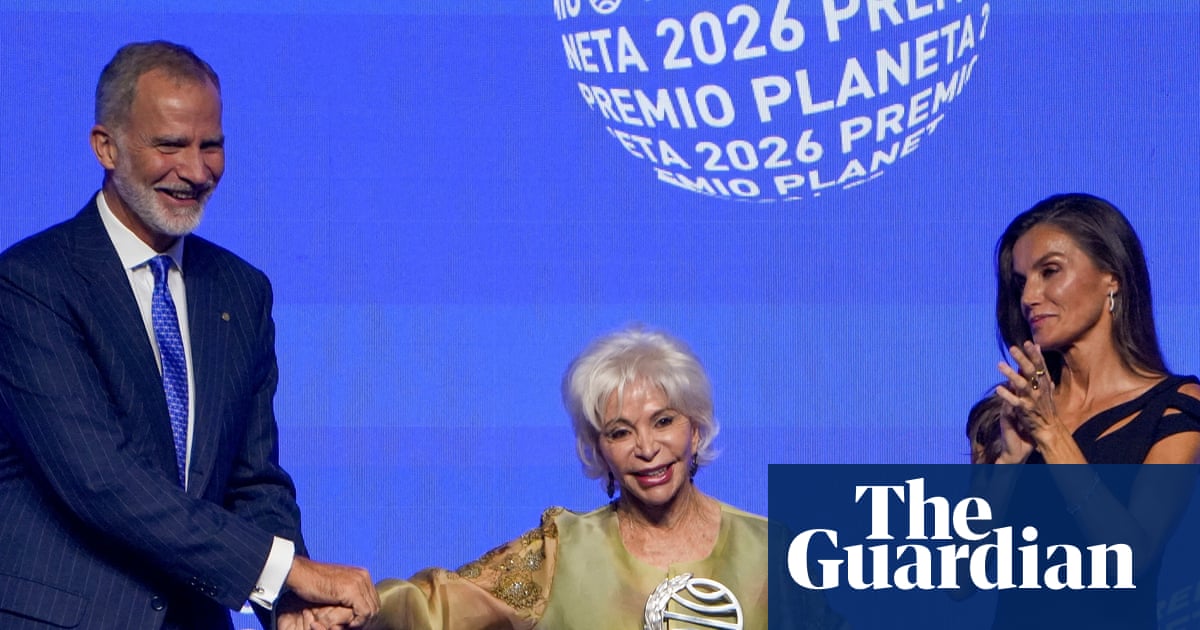
Isabel Allende, a renowned Chilean-American author, secured the lucrative €1m Premio Planeta, a major Spanish literary award, by submitting her new novel, "La hora antes del alba," under the pseudonym Luz Ventura. This book serves as a sequel to her iconic debut, "The House of the Spirits," and delves into themes of political upheaval and recovery, drawing parallels to contemporary gl…
Imagine a famous author who writes a new book but uses a secret name to enter a big contest. She wins a huge prize, like a million euros! Her new book is a follow-up to her very first famous story, about a family in a country that faced tough times, and she says it reminds her of how some countries are struggling today.
Analysis
Isabel Allende
Isabel Allende, at 84, has once again captivated the literary world by winning the prestigious Premio Planeta, a testament to her enduring influence and storytelling prowess. This victory, achieved under the pseudonym Luz Ventura, highlights her humility and desire for her work to be judged on its own merits, even after decades of global acclaim. Her reaction, comparing the win to a Nobel Prize, underscores the personal significance of this recognition, especially given her past reluctance to enter competitions. Allende's career has been marked by a profound engagement with political and social themes, often drawing from her own experiences of exile following the 1973 Chilean coup.
Her extensive bibliography, with over 80 million copies sold worldwide and translations into more than 40 languages, firmly establishes her as one of the most celebrated voices in Spanish-language literature. This latest award not only adds to her long list of accolades but also brings her work to a new generation of readers, reinforcing the timeless appeal of her narratives. The author's ability to connect historical trauma with contemporary global anxieties about authoritarianism demonstrates her continued relevance as a commentator on the human condition and political landscapes.
Premio Planeta
The Premio Planeta stands as one of the most financially generous literary prizes globally, offering a staggering €1 million to its winner. Its unique allowance for pseudonym submissions, which Allende utilized, adds an intriguing layer to its selection process, though some observers, like Professor Duncan Wheeler, suggest that the judges might often discern the true identity of established authors. Despite its substantial monetary value, the prize has faced scrutiny regarding its prestige and selection criteria, particularly after the 2021 controversy where "Carmen Mola," marketed as a female author, was revealed to be three male writers.
The prize is administered by Planeta, one of the largest publishing groups in the Spanish-speaking world, and includes a mandatory publishing contract for the winning manuscript. This condition makes the prize a strategic acquisition tool for the publisher, as evidenced by Allende's win, which marks a significant coup for Planeta, given her long-standing relationship with Penguin Random House. The group's president, José Creuheras, defended the prize's reach and growing interest, emphasizing its role in attracting major literary figures despite ongoing debates about its perceived prestige versus commercial appeal.
La hora antes del alba
Allende's winning novel, "La hora antes del alba," serves as a highly anticipated sequel to her seminal 1982 debut, "The House of the Spirits." The new narrative revisits the beloved characters of the Trueba and del Valle families, specifically focusing on Alba, the granddaughter, as she navigates the aftermath of imprisonment and torture during Augusto Pinochet's dictatorship in Chile. This continuation brings a sense of closure to the "universe" of her debut novel, fulfilling decades of reader requests for Alba's further story.
The thematic core of "La hora antes del alba" resonates deeply with current global events, as Allende herself noted parallels between the political circumstances depicted in the book and the contemporary rise of extremism, nationalism, and threats to democracy. This connection underscores the novel's timely relevance, transforming a historical family saga into a commentary on present-day societal challenges. By exploring themes of resilience, recovery, and the enduring impact of political oppression, the book promises to be both a nostalgic return for long-time fans and a powerful statement for new readers.
Key points
- Isabel Allende won the €1m Premio Planeta literary prize.
- She submitted her novel, "La hora antes del alba," under the pseudonym Luz Ventura.
- The book is a sequel to her 1982 debut, "The House of the Spirits," continuing the story of Alba.
- Allende drew parallels between the novel's themes of political upheaval and contemporary global threats to democracy.
- The Premio Planeta, run by the Planeta Group, requires the winning book to be published by them, marking a significant acquisition for the publisher.
The win could bring renewed attention to Allende's extensive body of work and Spanish-language literature globally, potentially inspiring new readers and writers. Her use of a pseudonym also highlights the merit of the work itself, separate from the author's fame.
The prize's history of controversy, particularly the Carmen Mola incident, might lead some to question the transparency or true meritocracy of the award, despite Allende's undeniable talent. The strategic publishing condition also raises questions about the prize's commercial motivations over purely literary ones.