Zelenskyy warns Trump’s pause on Russia sanctions will intensify war in Ukraine
Volodymyr Zelenskyy stated that Donald Trump's decision to halt new sanctions on Russia will embolden Vladimir Putin and intensify the war in Ukraine. This comes as Russia launched significant strikes on Ukraine's power plants.
Intelligence analysis by Gemini 2.5 Flash Lite
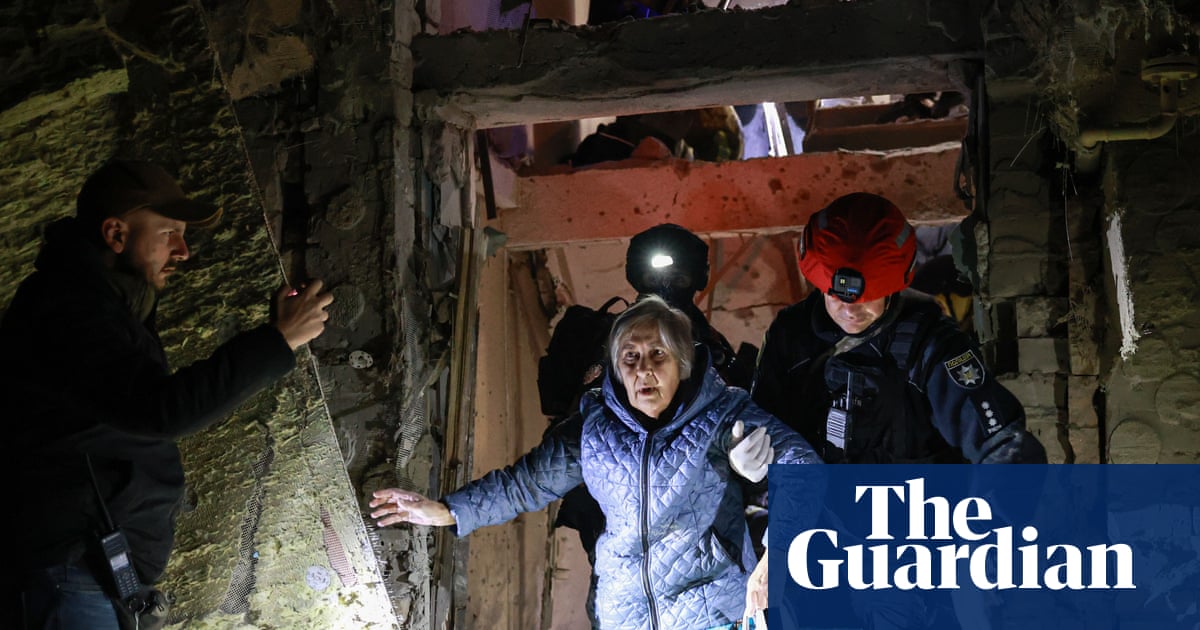
Ukrainian President Volodymyr Zelenskyy has voiced strong disapproval of Donald Trump's move to pause sanctions against Russia, interpreting it as a "reward" for Putin and a signal that such actions will escalate the conflict. Zelenskyy fears this policy shift, including a "diesel deal," will encourage further aggression from Russia, particularly as Ukraine faces intensified attacks o…
Imagine two kids fighting, and one kid's parent stops taking away the other kid's toys. The first kid says this makes the fighting kid feel happy and more likely to keep hitting. It's like giving a reward instead of stopping the bad behavior.
Analysis
Trump Administration's Sanctions Policy Shift
The recent decision by the Trump administration to pause a significant sanctions package against Russia, championed by the late Senator Lindsey Graham, has drawn sharp criticism from Ukrainian President Volodymyr Zelenskyy. The proposed legislation included substantial tariffs on major importers of Russian oil, such as China and India, alongside measures targeting Russia's energy sector, financial institutions, and its fleet of oil tankers. Zelenskyy views this pause, and a prior "diesel deal" to purchase Russian fuel, not as a de-escalation tactic but as a direct "reward" for Vladimir Putin, which he believes will embolden the Russian president to intensify his aggression in Ukraine.
Zelenskyy articulated his concerns, stating that "the lifting of sanctions will continue, and I believe that the ‘diesel deal’ is the first step." He expressed a grim outlook, suggesting that such actions "cannot stop Putin; on the contrary, he feels joy and happiness that he has such support." The Ukrainian president's stance is that restricting Ukraine's ability to respond to Russian attacks, while simultaneously easing pressure on the aggressor, provides Putin with every reason to prolong the conflict indefinitely rather than seek a resolution.
Russian Strikes on Energy Infrastructure
Coinciding with the US sanctions announcement, Russia launched one of its most severe attacks to date on Ukraine's power plants. This offensive is seen as a deliberate strategy to cripple Ukraine's energy infrastructure and make cities uninhabitable as winter approaches. Zelenskyy highlighted the stark contrast between these Russian actions and the US decision to waive sanctions, emphasizing that at a time when Ukraine is under such intense assault, the US has chosen to "completely ignore the Lindsey Graham law." He stressed that this law "could have – and still can! – help a great deal" in applying effective pressure on Russia to end the war.
The timing of the sanctions pause and the intensified Russian strikes underscores the critical nature of the conflict and the potential for significant geopolitical ramifications. The Ukrainian president's plea for continued support in the US to reinstate the sanctions bill underscores the urgency he perceives in maintaining international pressure on Russia.
Geopolitical Implications and European Response
The Trump administration's actions, including the suspension of the Graham Act and the prior "diesel deal," have been met with approval by Russian officials. Kirill Dmitriev, the Russian presidential envoy, described the suspension as an "important and truly historic moment." This suggests a divergence in approach between the current US administration and its European allies, who have largely maintained a unified front in imposing sanctions on Russia. Zelenskyy's call for Europe to establish its own negotiations with Moscow, mirroring the US's pursuit of better ties and business deals with the Kremlin, indicates a growing concern about a potential fracturing of international resolve against Russia.
The situation highlights the complex geopolitical landscape, where economic considerations and diplomatic overtures are being weighed against the ongoing military conflict. The effectiveness of international sanctions as a tool to end the war remains a central point of contention, with differing perspectives on how best to achieve peace and stability in the region.
Key points
- Ukrainian President Volodymyr Zelenskyy warns that the US pausing sanctions on Russia will intensify the war.
- Zelenskyy views the "diesel deal" and sanctions pause as a "reward" for Vladimir Putin.
- Russia has launched significant strikes on Ukraine's power plants amid the US policy shift.
- The paused sanctions package included tariffs on Russian oil importers and measures against Russia's energy sector.
- A Russian envoy welcomed the US suspension of the sanctions legislation.
If the US reconsiders its stance and reinstates sanctions, it could signal renewed international resolve against Russian aggression, potentially pressuring Moscow to de-escalate. A unified global front on sanctions might also bolster Ukraine's position and accelerate efforts towards a lasting peace.
The continued easing of sanctions by the US, coupled with intensified Russian attacks, could lead to a prolonged and more brutal conflict in Ukraine. This might also fracture international unity, embolden further Russian expansionism, and destabilize global energy markets.
Market signals
- OIL The article suggests that easing sanctions and potential "diesel deals" could impact global energy supply dynamics, while intensified conflict risks supply disruptions.
AI-generated analysis of potential market relevance. Not financial advice.