Isho's Pitch for Better Sleep Starts with a Smart Ring and Extends Under the Covers
Chinese startup Isho has launched a smart ring and a temperature-regulating bed system, aiming to improve sleep quality through AI-driven analysis and adjustments.
Intelligence analysis by Gemini 2.5 Flash Lite
Isho is challenging the sleep technology market with its new smart ring and iFlow bed system, which offer advanced physiological tracking and environmental control. The company differentiates itself by offering free basic health tracking on its ring, unlike competitors, and plans to monetize advanced AI features. The iFlow system aims to provide a more affordable alternative to existi…
Imagine your body is like a car that needs to run smoothly. Isho makes a smart ring and a special bed that act like mechanics. The ring checks your body's engine (heart, breathing) all day, and the bed checks it while you sleep, even adjusting its temperature to keep you comfy. Then, a smart computer brain (AI) looks at all the checks and tells you how to make your engine run better so you feel more rested.
Analysis
Isho Ring
The Isho Ring enters a market dominated by players like Oura, but seeks to differentiate itself through its technological underpinnings and monetization strategy. It boasts the Apollo330B Plus chip, enabling on-device AI processing and a substantial 32MB of storage, which Isho claims allows for a longer battery life of six to ten days compared to Oura's Ring 5. Crucially, Isho plans to offer basic health tracking features for free, a stark contrast to Oura's subscription model which charges for core health analysis. This freemium approach could attract a wider user base, with Isho intending to charge for select, computationally intensive AI capabilities later on. The ring continuously monitors 18 health metrics, and its Pro edition includes a charging case that also tracks bedroom environmental factors like CO2, temperature, humidity, noise, and light.
iFlow Bed System
Complementing the ring, Isho's iFlow system directly competes with companies like Eight Sleep, which offers temperature-regulating mattress covers. While Eight Sleep's Pod 6 starts at a high price point and requires an additional subscription for full functionality, Isho positions iFlow as a more affordable alternative in the Chinese market, priced at RMB 9,999 (approximately USD 1,500) for the base model, significantly undercutting comparable systems. iFlow employs a different monitoring approach than Eight Sleep's water-circulating mattress cover with biometric sensors. Isho utilizes ballistocardiography (BCG) bands to detect subtle movements related to heartbeats and breathing, alongside eight temperature sensors and a humidity monitor. The Pro version adds a pressure-sensing layer to track sleeping positions. Temperature regulation is achieved through thermoelectric modules and circulating water, with the Pro model capable of dissipating up to 900 watts of heat.
Isho Intelligence
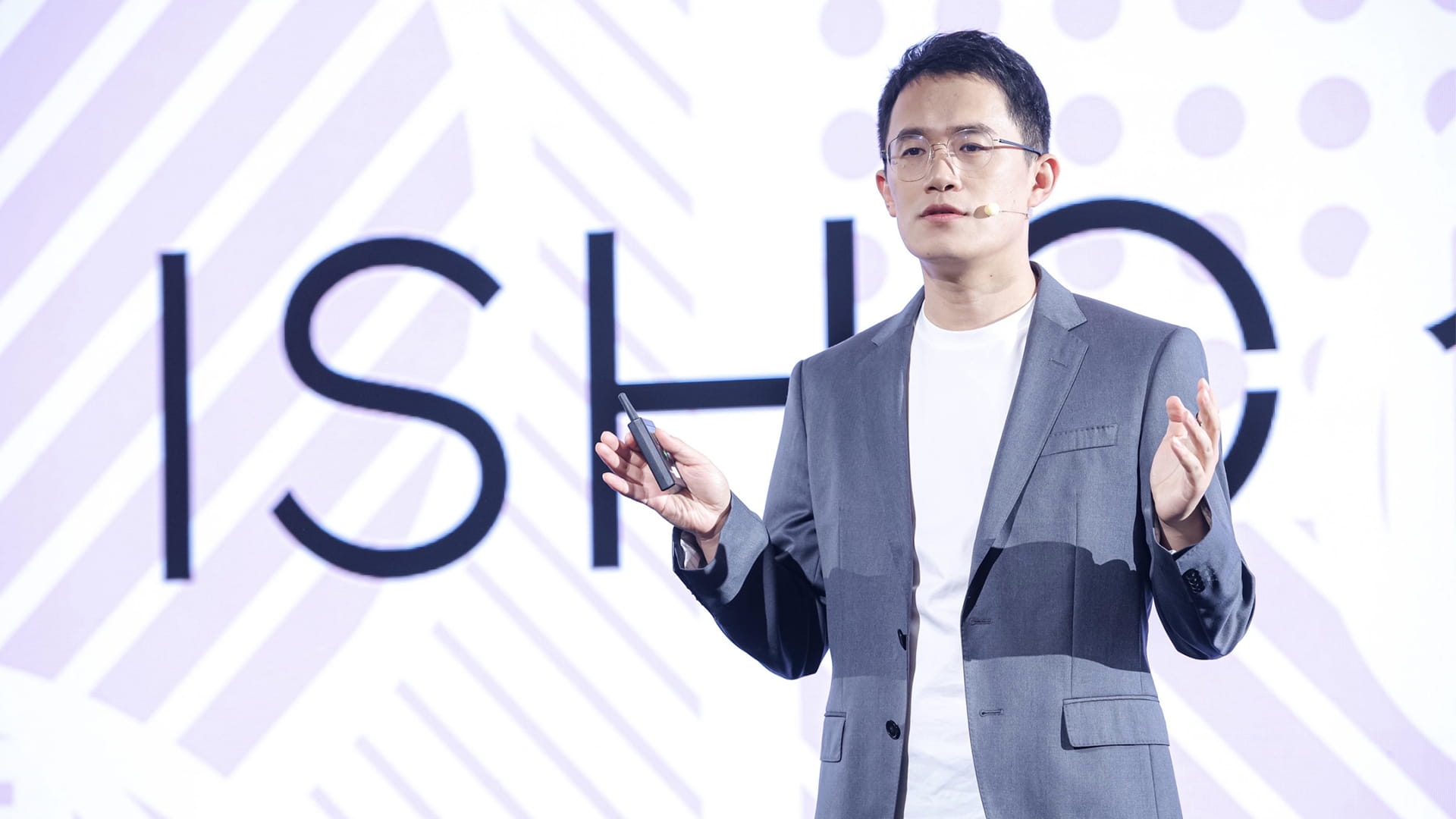
The overarching strategy for Isho is its AI platform, Isho Intelligence. This system aims to synthesize data from both the Isho Ring and the iFlow bed system to provide actionable insights and personalized sleep improvements. Founder and CEO Wang Teng emphasizes that while wearables have focused on the 16 hours people are awake, the eight hours of sleep represent a significant opportunity for health monitoring and improvement. He believes that AI is key to unlocking this potential, moving beyond simply reporting sleep quality to actively enhancing it through data interpretation and adaptive adjustments. The cleaner physiological signals captured during sleep, when individuals are typically still and relaxed, are seen as an advantage for accurate health monitoring. Isho Intelligence, combining its Isho Personal Agent application with an in-house AI model, is designed to interpret these rich datasets and drive the personalized sleep interventions.
Key points
- Isho has launched a smart ring and an AI-powered bed system called iFlow to improve sleep quality.
- The Isho Ring offers free basic health tracking, differentiating it from subscription-based competitors like Oura.
- The iFlow bed system provides temperature regulation and sleep monitoring at a lower price point than comparable products.
- Isho's AI platform, Isho Intelligence, aims to interpret data from both devices for personalized sleep improvement.
- The company believes sleep offers a prime opportunity for health monitoring due to cleaner physiological signals.
Isho's strategy of offering free basic features for its smart ring could attract a large user base, potentially disrupting the market and forcing competitors to reconsider their subscription models. If the iFlow system proves to be as effective and significantly more affordable than existing smart beds, it could make advanced sleep technology accessible to a broader segment of consumers in China and beyond.
The smart ring market is highly competitive, and Isho faces established players with strong brand recognition and user loyalty. The success of its AI-driven insights hinges on the accuracy and interpretability of the data collected, and user adoption of the iFlow system will depend on its perceived value proposition against its price point and the effectiveness of its temperature regulation compared to rivals.