Ken Bates, colourful and controversial former Chelsea chair, dies aged 94
Ken Bates, a colourful and controversial figure in English football, has died aged 94. He was the former owner and chairman of Chelsea Football Club, buying the club in the early 1980s and reviving it before selling to Roman Abramovich in 2003.
Intelligence analysis by Llama
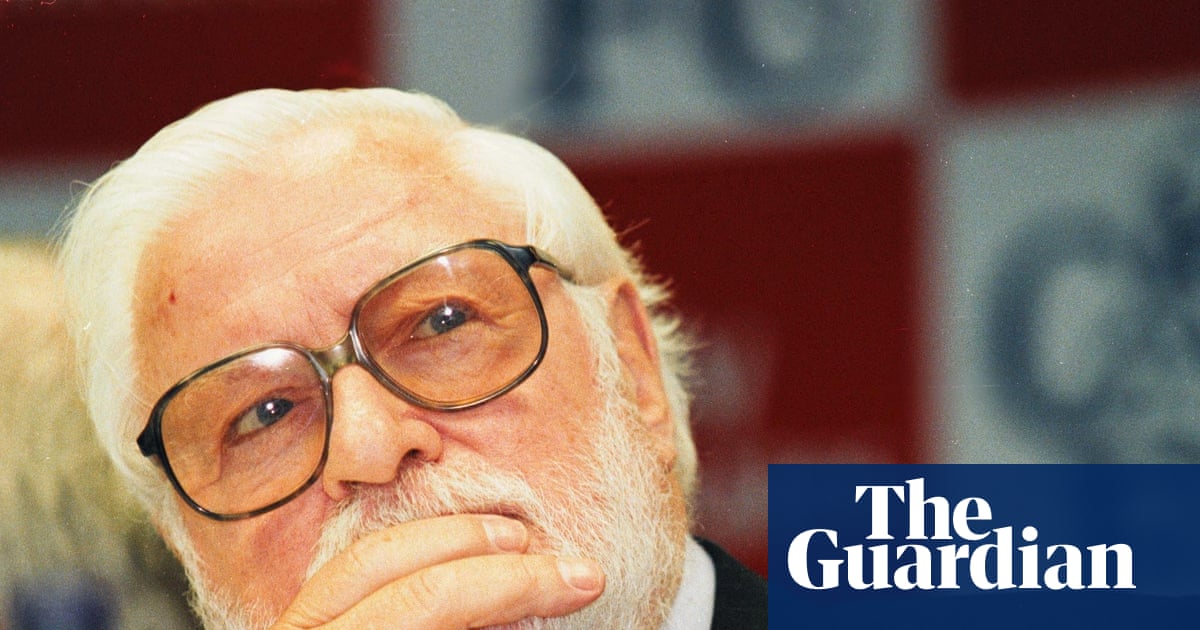
Ken Bates, the former owner and chairman of Chelsea Football Club, has died aged 94. He is best known for his time at Chelsea, where he oversaw a period of huge change and success before selling the club to Roman Abramovich in 2003.
Ken Bates was a man who loved football and made a lot of money from it. He owned Chelsea Football Club for a long time and did some good things, but also made some mistakes. He's remembered as a colourful and controversial figure in English football.
Analysis
A Colourful and Controversial Figure in English Football
Ken Bates was a larger-than-life figure in English football, known for his colourful personality and his ability to stir up controversy. Born in December 1931, Bates endured a difficult childhood, being raised by his grandparents in a council flat in Ealing, west London. He supported nearby Queens Park Rangers and dreamed of playing for the club, but was not good enough, in part due to a club foot that required multiple operations.
Bates went into business for himself and it proved a successful step as he made a personal fortune in haulage, quarrying, ready-mix concrete and dairy farming. He also involved himself in enterprises on the British Virgin Islands and in Rhodesia before deciding to focus his attentions on his first love – football.
A Successful but Troubled Period at Chelsea
Bates bought Chelsea in 1982 for £1, a knockdown price due to the club's financial troubles. He oversaw a period of huge change at the club, introducing new players and investing in the stadium. The team won multiple honours, including the FA Cup, League Cup and the Cup Winners' Cup, but the club was also plagued by debt, which by the summer of 2003 Bates was struggling to finance.
The Legacy of Ken Bates
Ken Bates' legacy in English football is complex and multifaceted. His time at Chelsea was marked by both success and controversy, and his impact on the sport continues to be felt today. The takeover of Chelsea by Roman Abramovich in 2003 signalled a spending spree that would lead to Chelsea becoming one of the biggest forces in English and European football and transfer fees rising everywhere. Abramovich changed the game, and Bates' legacy is inextricably linked to this period of change.
A Troubled Period at Leeds
Bates remained Chelsea chair until March 2004, before buying a 50% stake in Leeds. The ambition was to repeat what he had done at Chelsea by overseeing the rebirth of a fallen giant of English football, but while his time there was as eventful it was nowhere near as successful. With Bates as chair, Leeds fell into administration in 2007 with a debt of £30m, including about £7m owed to HM Revenue and Customs, leading to a 10-point deduction and relegation to League One, when they were hit with a subsequent 15-point deduction.
Key points
- Ken Bates was a colourful and controversial figure in English football.
- He was the former owner and chairman of Chelsea Football Club, buying the club in the early 1980s and reviving it before selling to Roman Abramovich in 2003.
- Bates' time at Chelsea was marked by both success and controversy, and his impact on the sport continues to be felt today.
- He bought a 50% stake in Leeds in 2004, but the club fell into administration in 2007 with a debt of £30m.
Ken Bates' legacy in English football is complex and multifaceted, and his impact on the sport continues to be felt today. His time at Chelsea was marked by both success and controversy, and his legacy is inextricably linked to the period of change that followed the takeover by Roman Abramovich.
Ken Bates' legacy in English football is also marked by controversy and failure. His time at Leeds was troubled, and the club fell into administration with a debt of £30m. This highlights the risks and challenges of football ownership and the importance of responsible stewardship.