Kuwait strips naturalized citizens of voting rights in parliamentary elections
Kuwait's Emir has issued a decree barring naturalized citizens from voting, running, or being appointed to any legislative body, deepening an unprecedented nationality review that has already stripped tens of thousands of people of citizenship since 2024.
Intelligence analysis by Llama
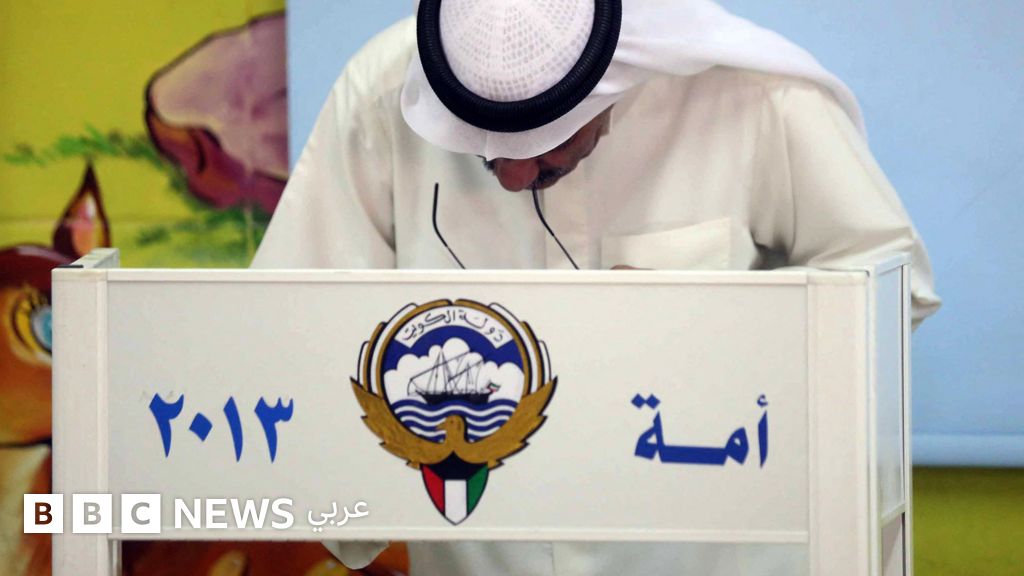
Framed by the Emir as a defense of the national fabric, the decree codifies into law what had been informal practice and tightens rules on who can participate in Kuwait's political life. The measure lands while parliament is suspended and the country is rewriting the boundaries of citizenship itself.
Kuwait's leader decided that people who became Kuwaiti by paperwork, not by birth, can no longer vote or run for office. He also made it easier to take citizenship away from anyone who cheated or holds two passports. Kuwait is a small country where being a citizen unlocks big benefits, so who counts as a citizen really matters.
Analysis
Sheikh Meshal's nationality decree
The Emir of Kuwait, Sheikh Meshal Al-Ahmad Al-Jaber Al-Sabah, has signed into law an amendment to Article 7 of the Nationality Law that formally strips naturalized citizens of the right to vote, run for office, or be appointed to any legislative body. Until now, Kuwaiti law imposed a 30-year waiting period before naturalized citizens could vote and barred them outright from running for parliament. The decree converts that waiting period into a permanent ban and applies it to every future naturalization. The text, according to the article, also widens the grounds for revoking citizenship: anyone proven to have knowingly added a person who is not their offspring or descendant to their nationality file can be denaturalized, and so can the children or grandchildren if they knew about the fraud. The law additionally introduces an electronic nationality certificate carrying the same legal weight as the paper version.
The 2024 citizenship review campaign
The decree lands inside an ongoing campaign that began in 2024 to audit Kuwait's nationality rolls. The BBC reports that authorities have already revoked citizenship from tens of thousands of people, including dual nationals — Kuwait prohibits holding two citizenships — and individuals alleged to have obtained nationality through forged documents. The Supreme Committee for Nationality Verification stripped citizenship from more than 3,000 people in a single decision in December 2024, with further waves in the months that followed. Naturalization through marriage, a pathway historically limited to women, was closed off, retroactively ending the citizenship of every woman who had acquired it through marriage since 1987. The government frames the campaign as protection of the national fabric and the higher interest of the country, language critics say leaves wide discretion in officials' hands.
Citizenship as political capital in Kuwait
The political weight of these measures is amplified by Kuwait's unusual demographics: citizens are a minority of the total population, and the gulf between citizens' economic and social benefits and those of foreign residents is unusually wide. About 835,000 people were registered to vote before the National Assembly was dissolved in May 2024, when the Emir suspended parts of the constitution for up to four years to address what he called systemic political dysfunctions. That dissolution removed the country's main elected counterweight to the government. Stripping naturalized citizens of voting rights while parliament is suspended means Kuwait's political community is being redrawn at a moment when there is no elected body to debate the change. The combination places Kuwait alongside other Gulf states — the article references a BBC Arabic piece on how Gulf monarchies redraw the boundaries of loyalty — that are using nationality law to manage the gap between citizen-minority populations and large foreign-born resident communities.
Key points
- Kuwait's Emir issued a decree barring all naturalized citizens from voting, running for office, or being appointed to any legislative body.
- Previously, naturalized citizens had to wait 30 years to vote and were already barred from running for parliament.
- The decree widens grounds for revoking citizenship, including knowingly adding non-descendants to a nationality file, and introduces an electronic nationality certificate.
- Since 2024 Kuwait has revoked citizenship from tens of thousands of people, more than 3,000 in a single December 2024 decision, citing fraud, dual nationality and forged documents.
- Kuwaiti citizens are a minority in Kuwait's population, and about 835,000 people were registered to vote before the National Assembly was dissolved in May 2024.
If the government frames the review as anti-fraud cleanup rather than exclusion, officials could present the decree as closing loopholes while restoring trust in the political system once a new parliament convenes. A narrow, transparent process for citizenship revocation could limit international criticism and preserve Kuwait's reputation as the Gulf's most politically open state.
Without a sitting parliament to scrutinize the decree, the new rules could entrench a two-tier citizenship system that permanently excludes naturalized citizens from political life, deepen suspicion toward long-resident communities, and chill dual-national ties. The retroactive revocation of women naturalized through marriage since 1987 also raises the risk of statelessness for families with nowhere else to claim nationality.