Labour MPs call for Andy Burnham to restore aid spending target set by Brown
Influential Labour MPs are urging prospective Prime Minister Andy Burnham to commit to restoring the UK's overseas aid spending to 0.7% of national income.
Intelligence analysis by Gemini 2.5 Flash
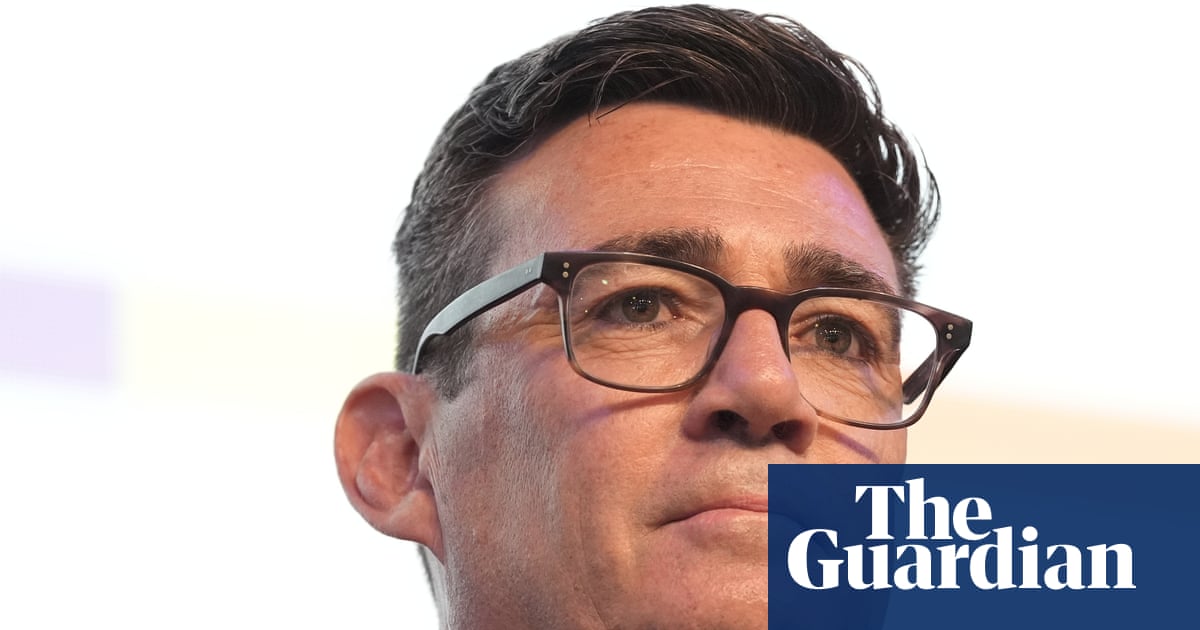
A collection of essays from the New Economics Foundation thinktank outlines proposals for a Burnham-led government to re-engage with international development, including a 10-year plan to reinstate the aid target and leveraging the UK's G20 presidency for global initiatives.
Imagine the UK government has a piggy bank for helping other countries. Some grown-ups in the Labour party want a future leader, Andy Burnham, to promise to put a certain amount, like 70 pence out of every 100 pounds the country earns, back into that piggy bank for aid. They also want the UK to lead big meetings with other important countries to talk about new ways to help everyone, like making rich people pay a bit more tax globally or giving vaccines to lots of children, because helping others makes the whole world a safer and better place.
Analysis
Reclaiming the 0.7% Aid Target
Labour MPs, notably Fleur Anderson, are advocating for Andy Burnham to commit to reinstating the UK's overseas aid spending to 0.7% of national income. This target, originally legislated under Gordon Brown, was temporarily abandoned by Rishi Sunak during the Covid pandemic and further cut by Keir Starmer, leading to the resignation of a development minister. Anderson proposes a credible 10-year trajectory to reach this goal, allowing partner governments and NGOs to plan effectively, rather than focusing solely on rigid annual targets.
The argument for restoring the 0.7% target is rooted in the belief that retreating from development commitments is a "false economy." Proponents argue that a more unstable world, exacerbated by disengagement from tackling root causes of instability, ultimately makes wealthy countries less safe. This perspective underscores the strategic importance of aid in fostering global stability and aligning with Labour's historical values in international development.
UK's G20 Leadership and Global Wealth Tax
Liam Byrne, chair of the Commons business and trade committee, suggests that the UK should use its upcoming G20 chairmanship in 2027 to convene discussions on a global wealth tax. This initiative aims to build on momentum from previous chairs like South Africa and Brazil, positioning the UK as a leader in institutional design and coordination. The goal is to develop a workable tax mechanism that can transform domestic resource mobilization in both rich and poor countries, addressing global inequalities.
This proposal reflects a broader ambition for the UK to reclaim its role as an international leader on progressive issues, moving beyond a purely defensive foreign policy stance. By championing a global wealth tax, the UK could demonstrate tangible cooperation and inspire belief in multilateralism, leveraging the G20 as a crucial forum for discussing financial stability and broader economic issues, as it did during the global financial crisis.
Shaping Future Global Goals and Initiatives
Former Labour minister Gareth Thomas proposes using the UK's G20 and subsequent G7 presidencies to kickstart discussions on what should replace the UN's Sustainable Development Goals (SDGs) when they expire in 2030. While these forums may not establish the goals themselves, they offer a vital opportunity to ignite the process and demonstrate the potential of multilateral cooperation through concrete actions. Thomas argues that defending institutions alone is insufficient; showing what cooperation can achieve is paramount.
He cites the success of Gavi, the vaccines alliance, in immunizing children in fragile states as an example of a tangible goal. Thomas suggests the UK's G20 presidency could aim to pool $1 billion for a multi-year initiative to immunize a billion children in fragile states. Such an initiative would serve both Britain's strategic interests and Labour's values, mobilizing significant resources for development and showcasing global leadership on critical humanitarian issues.
Key points
- Labour MPs are urging Andy Burnham to commit to restoring the UK's overseas aid spending to 0.7% of national income.
- Fleur Anderson proposes a 10-year roadmap to achieve the 0.7% aid target, emphasizing long-term planning over rigid annual goals.
- Liam Byrne suggests the UK use its 2027 G20 chairmanship to initiate discussions on a global wealth tax.
- Gareth Thomas advocates for using G20/G7 presidencies to kickstart discussions on post-2030 Sustainable Development Goals.
- Proposals include mobilizing $1 billion for a multi-year initiative to immunize a billion children in fragile states.
If these proposals are adopted, the UK could restore its reputation as a leading force in international development, fostering greater global stability and addressing critical issues like poverty and health. A renewed commitment to aid and multilateral initiatives could strengthen international partnerships and inspire collective action on global challenges.
Should these calls be ignored, the UK risks further diminishing its influence on the global stage and failing to address pressing international development needs. Continued cuts to aid and a lack of engagement in multilateral solutions could exacerbate global instability and undermine efforts to achieve sustainable development goals.

