Malaysia’s PAS eyes new pecking order as it rekindles ties with Umno
Malaysia's Islamist opposition party, PAS, is rekindling ties with former rival Umno, signaling a desire to lead a new coalition government. This move follows recent state election victories against Prime Minister Anwar Ibrahim's ruling Pakatan Harapan.
Intelligence analysis by Gemini 2.5 Flash
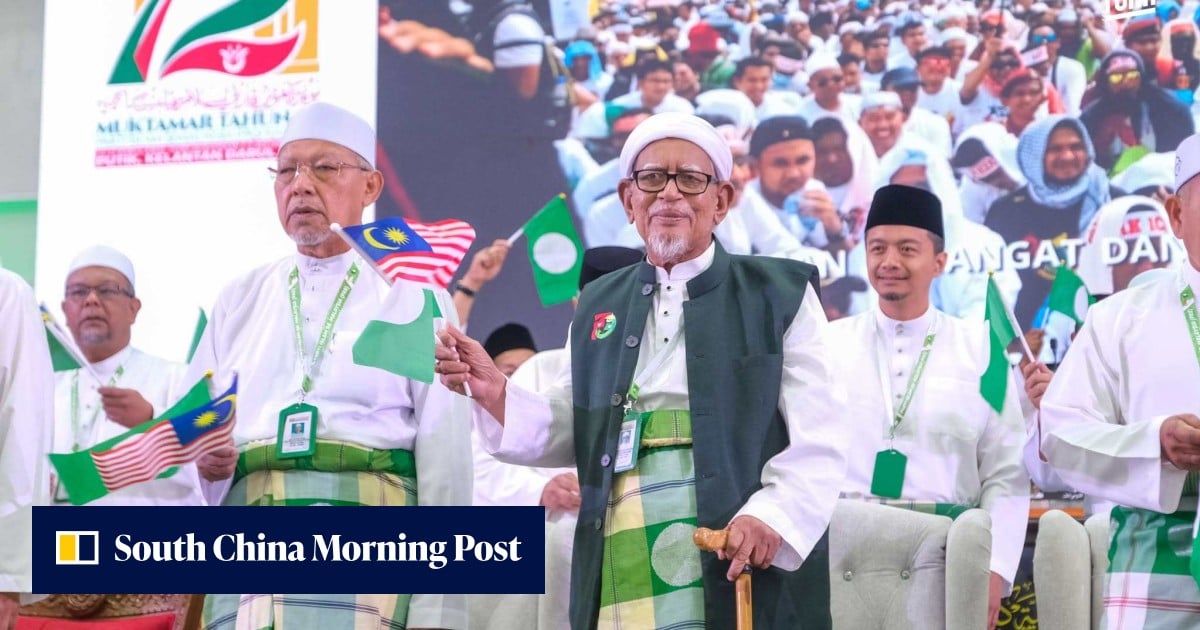
The Pan-Malaysian Islamic Party (PAS) is leveraging recent electoral successes against Prime Minister Anwar Ibrahim's coalition to re-engage with Umno, aiming to establish a new political hierarchy where PAS holds a dominant position. This renewed courtship allows both parties to explore cooperation limits and gain leverage over Anwar, potentially paving the way for an early general e…
Imagine two big school clubs, PAS and Umno, used to be rivals but now they're thinking of teaming up. They just won some games (elections) against the current school president, Anwar, and his club. PAS wants to be the leader of this new team, hoping to win the big school election next time. It's like they're trying out being friends to see if they can beat the current president together.
Analysis
Negeri Sembilan
The recent political landscape in Malaysia has seen significant shifts, particularly highlighted by the joint efforts of Umno and the Pan-Malaysian Islamic Party (PAS) in Negeri Sembilan. This collaboration successfully unseated Prime Minister Anwar Ibrahim’s coalition, Pakatan Harapan (PH), from power in the state. The loss of Negeri Sembilan was a particularly bruising defeat for PH, which had controlled the state for nearly eight years, underscoring a growing challenge to the incumbent government's authority.
This victory in Negeri Sembilan, alongside Umno's earlier triumph over PH in Johor, demonstrates a potent, albeit nascent, alliance between the two opposition parties. These state-level successes provide a crucial testing ground for their potential federal cooperation. Analysts suggest these wins offer both PAS and Umno valuable insights into the efficacy of their combined electoral strategies and the extent of their shared voter base, particularly among the Malay electorate.
Anwar Ibrahim
Prime Minister Anwar Ibrahim's Pakatan Harapan coalition has faced considerable setbacks, suffering bruising losses in three state elections since November. The most significant of these was the loss of Negeri Sembilan, a state previously considered a stronghold. These electoral defeats have weakened Anwar's position and provided an opening for the opposition to challenge his government's stability.
The renewed courtship between PAS and Umno is seen as a direct challenge to Anwar's leadership, granting Umno increased leverage in the broader political arena. By exploring a potential alliance, PAS and Umno are not only testing the waters for a future federal government but also intensifying pressure on the current administration. This dynamic could force Anwar to recalibrate his political strategies or face a more formidable united opposition in the lead-up to the next general election.
Kota Bharu
The strategic recalibration of PAS's political ambitions was prominently displayed at its 72nd muktamar, held in Kota Bharu. This annual convention served as a platform for the party to openly signal its willingness to rekindle ties with Umno, but crucially, on its own terms. The discussions at Kota Bharu emphasized PAS's aspiration to lead the federal government, indicating a desire for a new "pecking order" within any potential alliance.
The convention, which also marked the party's 75th anniversary, was attended by nearly 4,000 delegates and observers, reflecting the party's significant grassroots support and organizational strength. The messaging from Kota Bharu suggests that while PAS is open to cooperation, it envisions itself as the senior partner in any future coalition. This assertive stance sets the stage for complex negotiations regarding seat allocations and leadership roles should a formal alliance with Umno materialize, highlighting PAS's long-term strategic vision for national leadership.
Key points
- Malaysia's Islamist opposition party, PAS, is seeking to rekindle ties with former rival Umno.
- PAS aims to lead any new coalition, signaling a shift in the political "pecking order."
- The parties recently collaborated to defeat Prime Minister Anwar Ibrahim's coalition in state elections in Negeri Sembilan and Johor.
- Analysts suggest this renewed courtship gives Umno leverage over Anwar and allows both parties to test cooperation limits.
- Both PAS and Umno are now advocating for an early general election, which is not due until February 2028.
The rekindling of ties between PAS and Umno could lead to a more stable and unified Malay-centric political bloc, potentially offering a clearer alternative to the current government. This could streamline policy-making and reduce political fragmentation, fostering a more decisive governance structure if they manage to form a cohesive alliance.
The renewed alliance between PAS and Umno, driven by a "hard tilt towards Malay dominance," could exacerbate ethnic and religious divisions within Malaysia. This focus might alienate non-Malay communities and lead to increased political instability, especially if an early general election is called without clear agreements on leadership and power-sharing.