Southeast Asia’s Extreme Heat Exposes Gaps in Safety Net for Outdoor Workers
Southeast Asian cities lack adequate heat risk assessments and weak regulations protect outdoor workers, a report says.
Intelligence analysis by Qwen 2.5 (3B)
A report highlights the inadequate heat risk assessments and weak regulations in Southeast Asian cities that protect outdoor workers from extreme heat.
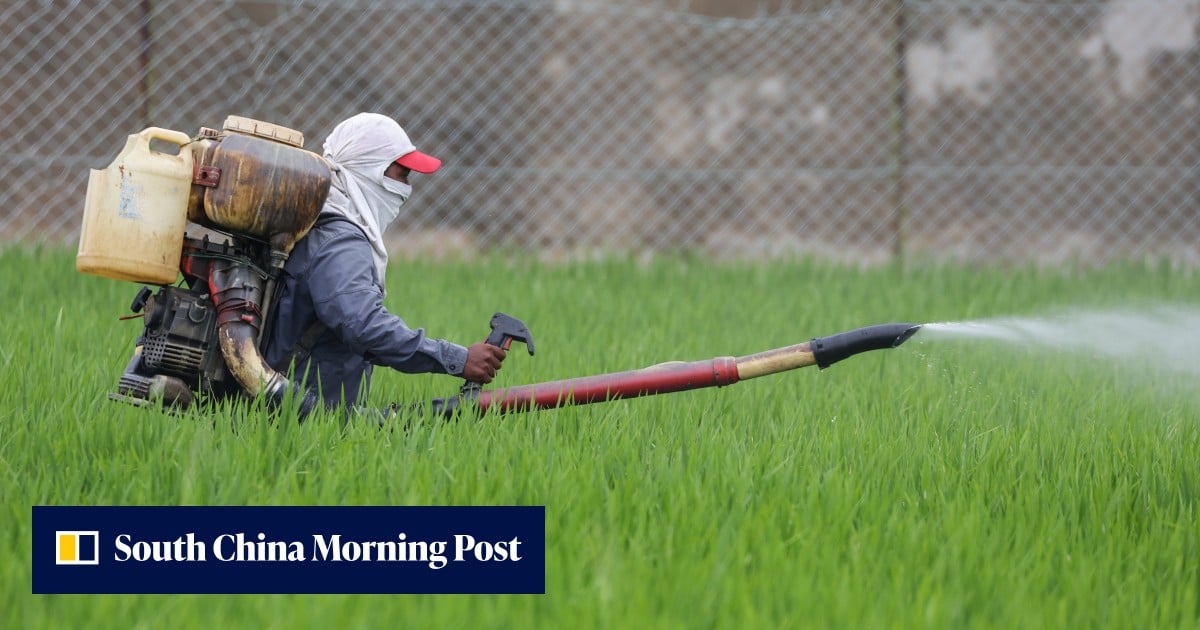
A report says that in Southeast Asia, cities don't check how hot it gets and don't make rules to keep workers safe from the heat. This means workers like Mr. Chung, who grows oil palms, have to change their work times to avoid the hottest part of the day. But not all workers can do that, so they might get sick from the heat.
Analysis
Background on Heat Risk Assessments and Regulations
Southeast Asian cities have not conducted adequate heat risk assessments, leaving workers vulnerable to heat-related health issues. The lack of such assessments is a significant oversight.
Weak Regulations and Enforcement
The regulations designed to protect outdoor workers from extreme heat are either weak or unenforced, creating a gap in safety measures. This is particularly concerning given the increasing frequency and intensity of extreme heat events in the region.
Case Study: Oil Palm Plantation
Smallholder oil palm plantation owner Chung Kee Wa, 68, adjusts his work schedule to avoid the hottest part of the day. However, not all workers have the luxury of such flexibility, as their schedules are determined by employers or output, leaving them vulnerable to heat-related health issues.
Conclusion
The report underscores the need for improved heat risk assessments and enforcement of existing regulations to safeguard outdoor workers in the face of increasing extreme heat events in Southeast Asia.
Key points
- Southeast Asian cities lack adequate heat risk assessments
- Weak regulations protect outdoor workers from extreme heat
- Workers like smallholder oil palm plantation owner Chung Kee Wa have to change their work times to avoid the hottest part of the day
With improved heat risk assessments and enforcement of existing regulations, workers can be better protected from heat-related health issues.
If the current situation continues, workers will still be at risk from heat-related health issues.