Marco Rubio Weighs Leaving Administration After GOP’s Midterm Loss
Secretary of State Marco Rubio is reportedly considering resigning from the Trump administration following the Republican party's significant midterm election losses. He has discussed potential departure options with White House officials.
Intelligence analysis by Gemini 2.5 Flash Lite
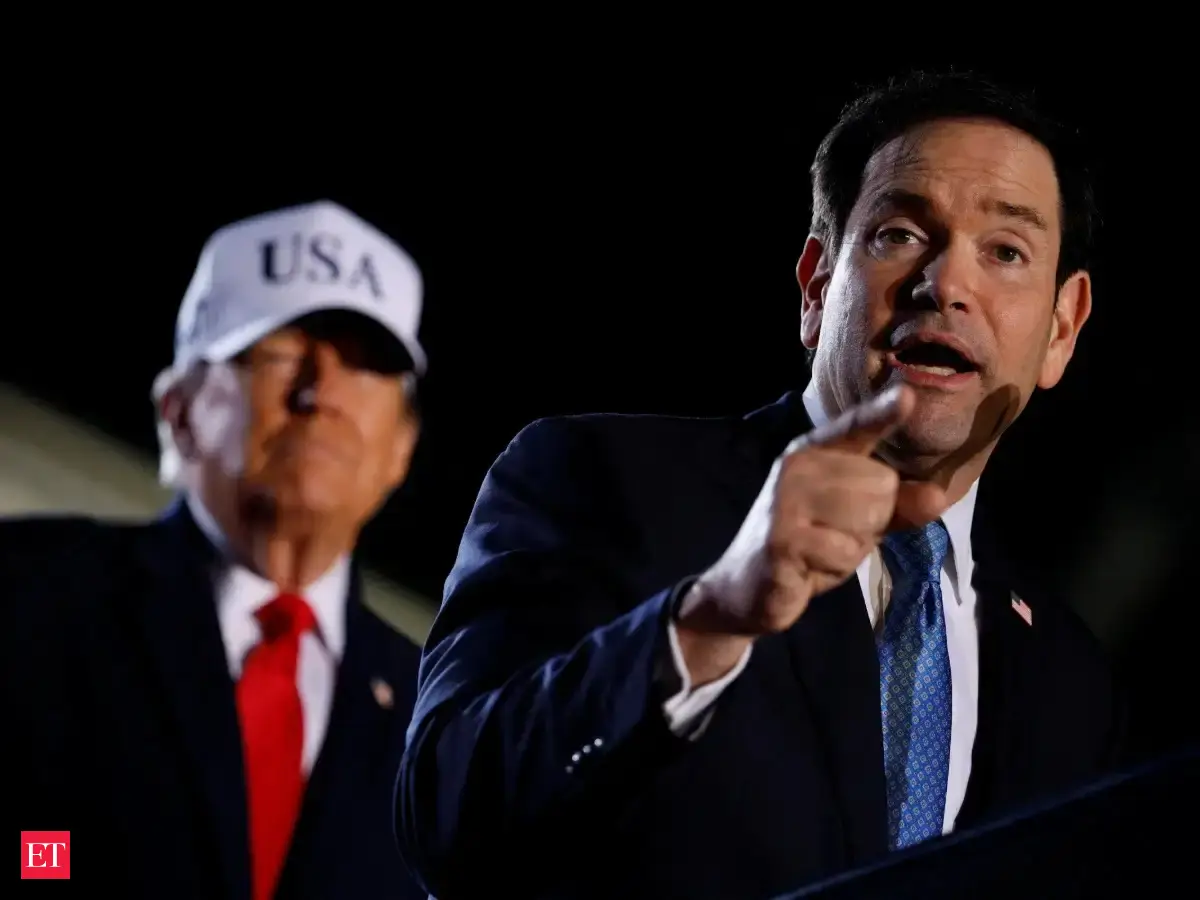
Following the Republican party's substantial defeat in the midterm elections, US Secretary of State Marco Rubio is reportedly contemplating his future within the Trump administration. Sources indicate he has discussed resignation possibilities with White House officials, though no decision has been made.
Imagine a team captain whose team just lost a big game. Now, the captain is thinking about whether to quit the team or stay. He's talked to his coach about it, but hasn't decided yet. It's a tough choice because the other team is now stronger and might ask him tough questions.
Analysis
Marco Rubio's Political Calculus
Marco Rubio's reported contemplation of leaving his post as Secretary of State comes at a critical juncture for the Trump administration and the Republican party. The recent midterm election results, described as a "wipeout" for the GOP, have undoubtedly reshaped the political landscape, prompting a re-evaluation of strategies and future ambitions for key figures. Rubio, who transitioned from a primary rival to a trusted aide of President Trump, now faces a complex decision. His tenure has been marked by a strong alignment with Trump's "MAGA movement," yet the electoral outcome may necessitate a strategic pivot. The discussions with White House officials about potential resignation options, even if not yet finalized, highlight the internal deliberations occurring within the administration as it grapples with the consequences of the midterm losses.
Post-Midterm Landscape and Scrutiny
The newly empowered Democratic majority in Congress is poised to intensify scrutiny on various White House initiatives, particularly those involving Rubio. His involvement in actions such as the "attacks on alleged drug boats in the Caribbean Sea" could become a focal point for investigations. A departure before January, when Democrats take control of the Senate, could allow President Trump to nominate a replacement for Rubio, potentially facing even greater vetting from the opposition. This strategic timing underscores the political maneuvering at play, as both sides anticipate the shift in power and its implications for policy and oversight. The article notes that it is not unusual for cabinet members to consider leaving during a "lame-duck" phase, especially after significant electoral defeats.
Future Ambitions and Party Leadership
Beyond his current role, Rubio's political future is a subject of speculation, with mentions of him and Vice President JD Vance as potential successors for party leadership and future presidential nominations in 2028. Stepping down now could provide Rubio with the distance needed from controversial policies, such as the "deeply unpopular Iran war," which the article suggests may have contributed to Republican losses. While Rubio has defended such decisions, the electoral fallout might influence his strategic positioning. His past remarks about potentially becoming the NFL commissioner, though perhaps lighthearted, also point to a broader consideration of his post-administration career, which could include a return to the private sector or preparation for a presidential run, especially if he seeks to avoid a potentially "messy intraparty fight" for leadership.
Key points
- Marco Rubio is reportedly considering resigning from his position as Secretary of State.
- His deliberations follow the Republican party's significant losses in the recent midterm elections.
- Rubio has discussed potential departure options with White House officials.
- Democrats in Congress are expected to increase scrutiny on White House initiatives, including those Rubio was involved in.
- Rubio and JD Vance are mentioned as potential future leaders of the Republican party.
If Rubio were to resign, it could allow him to distance himself from controversial policies and reposition himself for a future presidential run. It might also provide the Trump administration an opportunity to nominate a successor who could face less immediate scrutiny from a Democratic-controlled Senate.
Continued association with potentially unpopular policies, especially following the midterm losses, could hinder Rubio's future political ambitions. Furthermore, any replacement nominated by Trump might face intense opposition and scrutiny from the incoming Democratic majority in Congress.