NATO members discuss Strait of Hormuz options without alliance involvement
NATO's top commander convened a videoconference to facilitate possible contributions to support freedom of navigation in the Strait of Hormuz, but emphasized that this is not a NATO mission.
Intelligence analysis by Llama
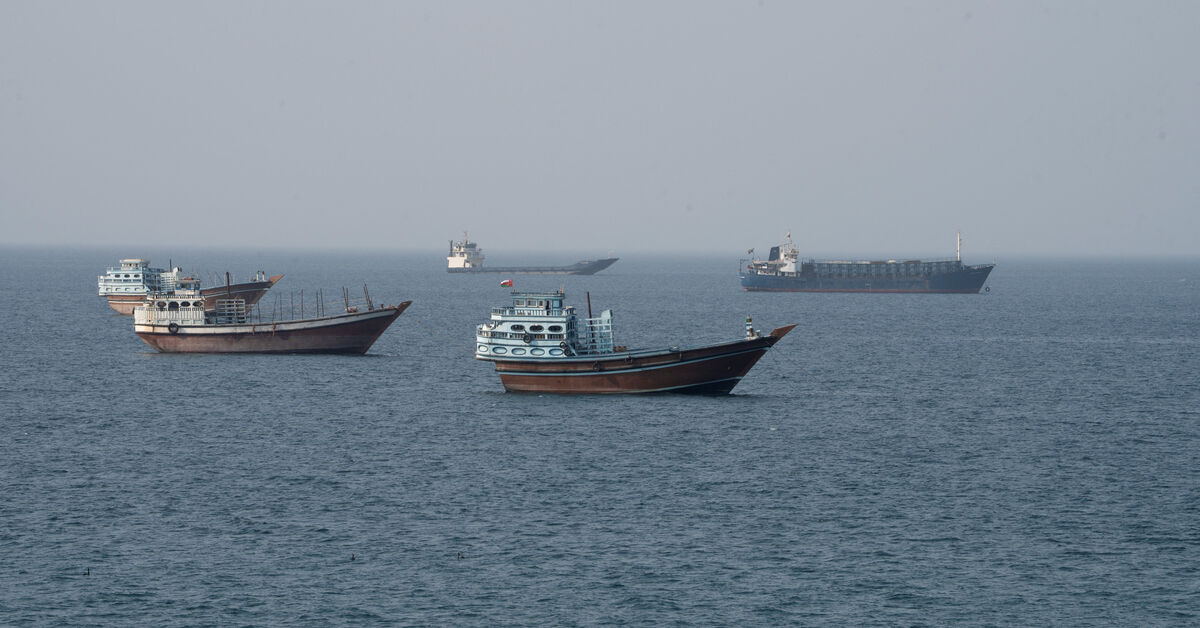
NATO allies are seeking to avoid direct involvement in the Iran conflict, instead focusing on plans outside the alliance to reopen the Strait of Hormuz, which carried about a fifth of all traded oil before February.
Imagine a big waterway that connects the Persian Gulf to the Gulf of Oman. This waterway is very important for oil trade, and any disruption to it can cause big problems for the economy and the world. NATO is trying to help find a way to keep this waterway open, but they're not taking direct action. Instead, they're working with other countries to find a solution.
Analysis
NATO's Facilitation Role
NATO's top commander, U.S. Air Force General Alexus Grynkewich, convened a videoconference to facilitate possible contributions to support freedom of navigation in the Strait of Hormuz. This move is not a NATO mission, but rather an effort to leverage the alliance's unique strengths in bringing together allies and understanding their capabilities. NATO's role in this context is to facilitate, rather than to take direct action.
The Iran Conflict and the Strait of Hormuz
The Iran conflict has led to a significant disruption in the navigation of the Strait of Hormuz, which carried about a fifth of all traded oil before February. NATO allies have sought to avoid direct involvement in the conflict, instead focusing on plans outside the alliance to reopen the strait. France and Britain have led efforts to build a coalition among roughly a dozen countries to guarantee safe passage through the strait once tensions ease or the conflict is resolved. However, any long-term arrangement would ultimately require Iranian acquiescence.
The Importance of the Strait of Hormuz
The Strait of Hormuz is a critical waterway for global oil trade, and any disruption to its navigation could have significant economic and geopolitical implications. The strait connects the Persian Gulf to the Gulf of Oman and is a vital shipping route for oil exports from the region. The disruption to the strait's navigation has already had significant economic implications, with oil prices rising in response to the conflict. The reopening of the strait would be a significant development, not only for the oil trade but also for regional stability and security.
Key points
- NATO's top commander convened a videoconference to facilitate possible contributions to support freedom of navigation in the Strait of Hormuz.
- NATO allies are seeking to avoid direct involvement in the Iran conflict, instead focusing on plans outside the alliance to reopen the Strait of Hormuz.
- The Strait of Hormuz is a critical waterway for global oil trade, and any disruption to its navigation could have significant economic and geopolitical implications.
If the conflict in Iran is resolved, and the Strait of Hormuz is reopened, it could lead to a significant decrease in oil prices, which would be a positive development for the global economy.
However, if the conflict in Iran continues, and the Strait of Hormuz remains closed, it could lead to a significant increase in oil prices, which would have negative implications for the global economy.