NEA issues notices to three more companies in Indonesia over haze role
Singapore's National Environment Agency (NEA) has issued notices to three additional Indonesian companies under the Transboundary Haze Pollution Act, bringing the total to 10 firms targeted for their role in haze-causing fires.
Intelligence analysis by Gemini 2.5 Flash
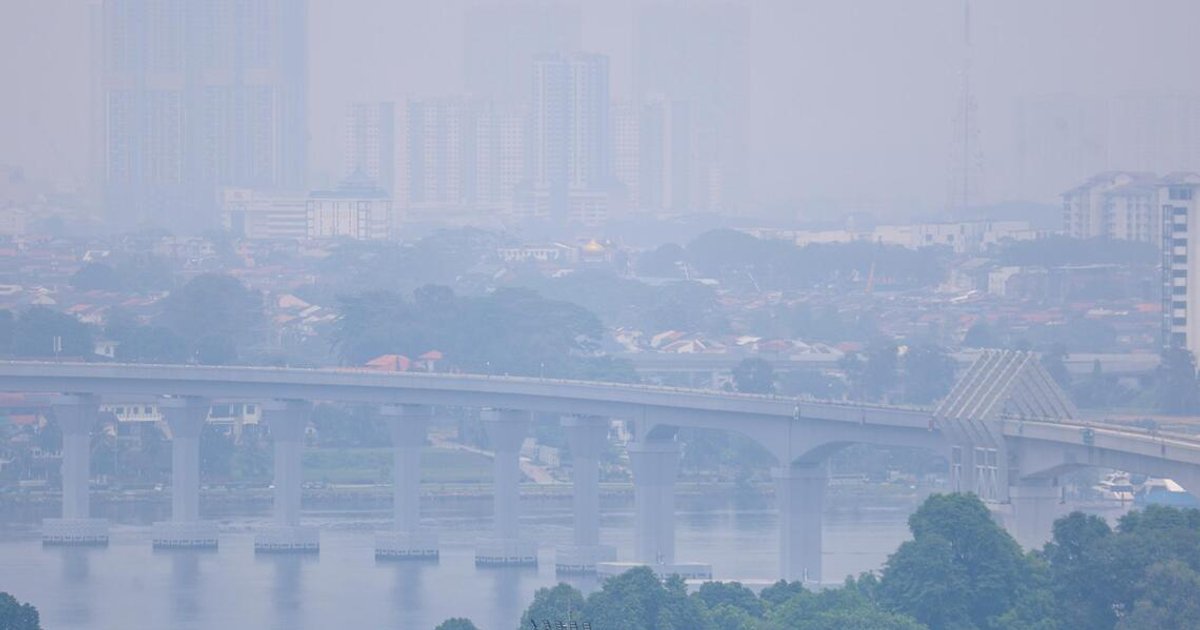
The NEA identified Buana Megatama Jaya, Mananjung Hayak, and Baratama Putra Perkasa as the latest companies, indicating that smoke from fires on their concession lands in Kalimantan may have spread to Singapore. These notices compel the firms to deploy firefighters, cease burning activities, and submit action plans to prevent future fires.
Imagine Singapore is like a house, and sometimes smoke from a neighbor's backyard barbecue keeps blowing into your windows, making it hard to breathe. Singapore's environmental agency is telling three more of these 'neighbors' (big companies in Indonesia) to stop their fires and clean up their act, just like they told seven others before. They want them to send firefighters and make plans so the smoky 'barbecues' don't happen again, because the smoke is making Singapore hazy.
Analysis
Singapore's proactive stance against transboundary haze has intensified with the National Environment Agency (NEA) expanding its enforcement actions. The issuance of notices to three more Indonesian companies—Buana Megatama Jaya, Mananjung Hayak, and Baratama Putra Perkasa—underscores a persistent challenge in regional environmental governance. These firms, primarily involved in pulp and palm oil plantations, are accused of having fires on their concession lands in Kalimantan, contributing to smoke plumes affecting Singapore. The notices are not merely punitive but prescriptive, demanding immediate action such as deploying firefighters and submitting comprehensive prevention plans, reflecting a strategic effort to mitigate the source of pollution directly.
Transboundary Haze Pollution Act
The Transboundary Haze Pollution Act (THPA) is Singapore's legislative tool designed to address the persistent issue of haze originating from outside its borders. This Act empowers the NEA to take legal action against entities, even foreign ones, whose activities contribute to haze affecting Singapore. The current notices issued under the THPA are a direct application of this law, compelling companies to take specific preventive and remedial measures. The Act's reach extends to requiring companies to provide information and implement fire prevention strategies, highlighting Singapore's commitment to using legal frameworks to protect its environment and public health from external threats. The ongoing enforcement demonstrates the government's resolve to leverage its legal powers to influence corporate behavior beyond its territorial limits.
Buana Megatama Jaya
Buana Megatama Jaya, identified as one of the three new companies, is a pulp plantation and a supplier to Asia Pulp & Paper (APP), a major Indonesian conglomerate. This connection is significant because APP and its suppliers have been linked to previous haze crises, notably in 2015. The fact that four of the ten companies now targeted by NEA are APP suppliers, with some having received similar notices in 2015, suggests a recurring pattern of environmental non-compliance within certain supply chains. The NEA's continued focus on these entities indicates a long-term strategy to address systemic issues within the plantation sector that contribute to the haze problem. The inclusion of Buana Megatama Jaya reinforces the idea that past actions and affiliations are being scrutinized in the current enforcement drive.
2015 Haze Crisis
The 2015 haze crisis serves as a critical historical precedent for the current situation, underscoring the severity and recurrent nature of transboundary haze. During that period, Singapore experienced severe air quality issues due to fires in Indonesia, leading to significant economic and health impacts. The article notes that three of the four APP-linked companies, excluding Buana Megatama Jaya, had received similar notices during the 2015 crisis, and their cases remain open. This detail highlights the protracted nature of legal and environmental enforcement across borders and the challenges in achieving lasting compliance. The ongoing nature of these older cases suggests that while notices are issued, securing full resolution and preventing recurrence remains a complex, multi-year endeavor, emphasizing the need for sustained pressure and international cooperation to tackle the root causes of the haze.
Key points
- Singapore's NEA has issued notices to three more Indonesian companies, bringing the total to 10 firms targeted under the Transboundary Haze Pollution Act.
- The new companies are Buana Megatama Jaya, Mananjung Hayak, and Baratama Putra Perkasa, identified for fires on their concession lands in Kalimantan.
- Notices require companies to deploy firefighters, cease burning, and submit action plans to prevent future fires.
- Nine of the 10 identified companies are pulp plantations, and one is a palm oil plantation.
- Four of the 10 companies are suppliers to Asia Pulp & Paper (APP), with some having received similar notices during the 2015 haze crisis, which remain open.
The expanded enforcement by the NEA could lead to greater accountability among Indonesian plantation companies, potentially reducing the incidence and severity of transboundary haze. Increased pressure and legal action might compel these firms to adopt more sustainable land management practices, benefiting regional air quality and public health.
Despite the notices, the effectiveness of Singapore's Transboundary Haze Pollution Act remains challenging due to cross-border jurisdiction and the complex nature of enforcement. Companies might face legal hurdles or delays, potentially leading to continued haze episodes and prolonged environmental degradation if compliance is not swiftly achieved.