S'pore scientists develop nanobody to target peritoneal cancer fluid
Singapore scientists have developed a nanobody to treat peritoneal cancer, a late-stage condition that spreads to the abdominal lining. The nanobody targets two proteins in ascites, the fluid linked to peritoneal cancer spread.
Intelligence analysis by Qwen 2.5 (3B)
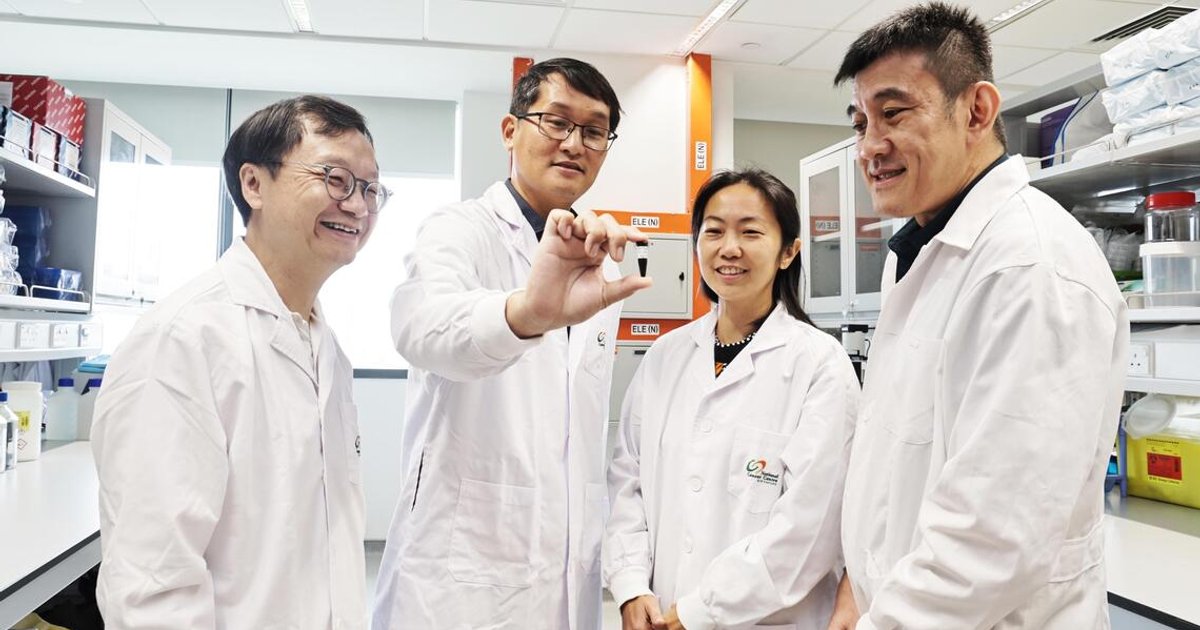
Singapore scientists have created a nanobody to treat peritoneal cancer, a late-stage condition that spreads to the abdominal lining. The nanobody targets two proteins in ascites, the fluid linked to peritoneal cancer spread.
Scientists in Singapore found two proteins that make cancer grow in the fluid in the belly. They made a special medicine called a nanobody to stop the cancer from growing. This could help people with a type of cancer that spreads to the belly.
Analysis
{"
Protein Discovery and Targeting":"Scientists in Singapore discovered two proteins, PAI-1 and S100A10, that drive tumour growth in ascites, the fluid linked to peritoneal cancer spread. They developed a nanobody that cut tumour growth in lab, animal and human tissue tests, with minimal toxicity.","
Clinical Development":"The team aims for clinical-grade development and a first-in-human trial in about five years. The nanobody targets the fluid instead of the tumour cells to prevent the tumour from growing or spreading.","
HIPEC Treatment":"The best treatment today is HIPEC, or hyperthermic intraperitoneal chemotherapy, which combines surgery with heated chemotherapy to target advanced abdominal cancers. However, nine out of 10 patients are typically not suitable for this treatment."}
Key points
- Scientists in Singapore developed a nanobody to treat peritoneal cancer
- The nanobody targets two proteins in ascites, the fluid linked to peritoneal cancer spread
- The team aims for clinical-grade development and a first-in-human trial in about five years
The nanobody could offer new hope for patients with peritoneal cancer, which currently has a low survival rate. It could lead to better treatment options and renewed hope for patients.
The development is still in the early stages and may take several years to reach clinical trials. There are no guarantees that the treatment will be effective or safe.