Ocado chief says he won’t be a ‘puppet master’ amid apparent succession row
Ocado CEO Tim Steiner, set to step down in 2028, has denied being a "puppet master" amid reports of a boardroom succession dispute. The company's shares fell sharply following a significant drop in pre-tax profits.
Intelligence analysis by Gemini 2.5 Flash Lite
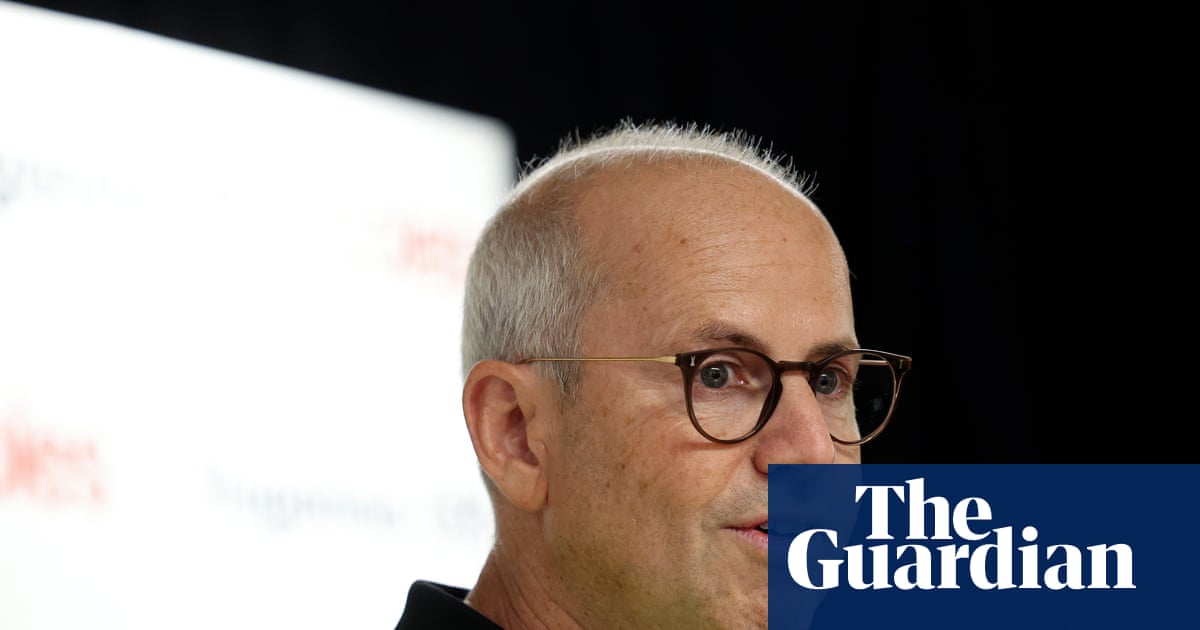
Tim Steiner, Ocado's co-founder and CEO, has addressed speculation about his departure and potential succession, stating he has no intention of controlling his successor and will offer support. This comes as Ocado's shares plummeted due to a steep decline in pre-tax profits, highlighting ongoing investor concerns about the company's execution and path to profitability.
Imagine Ocado is like a big toy factory that makes robots to help pack groceries. The boss, Tim, who started the factory, is going to let someone else run it soon. But some people think he might still try to tell the new boss what to do, like a puppet master. Tim says he won't do that and will just help out. This is happening because the factory isn't making as much money as it used to, and people are worried.
Analysis
Succession Amidst Financial Turbulence
Tim Steiner, the co-founder and long-serving CEO of Ocado, has publicly asserted his intention to avoid becoming a "puppet master" as he prepares to step down from his executive role in 2028. This statement comes at a critical juncture for the online grocery technology company, which has recently seen its shares nosedive by nearly 15%, reaching a decade-low. The sharp decline in share price was precipitated by a dramatic fall in pre-tax profits, plummeting to £17m for the six months ending 31 May, a stark contrast to the £607m reported in the same period last year. This financial downturn has amplified existing investor anxieties and cast a shadow over the company's future prospects, making the leadership transition a focal point of concern.
Boardroom Dynamics and Investor Confidence
The public pronouncements from Steiner follow weeks of intense speculation and reported boardroom tensions regarding the succession plan. Reports suggested that the company's chair, Adam Warby, had initiated a search for a new chief executive without explicit consultation with Steiner. While Ocado's official announcement stated Steiner would transition to a "founder role" offering "strategic guidance" until 2029, his recent comments suggest a willingness to extend his involvement if deemed beneficial by his successor and clients. This ambiguity surrounding the handover process, coupled with the dire financial results, has clearly unsettled the market. Analysts like Adam Vettese of eToro point to persistent doubts over Ocado's execution capabilities and the timeline for achieving cashflow positivity, underscoring the need for clear leadership and a robust strategy to regain investor trust.
Global Expansion and Future Prospects
Despite the internal turmoil and financial headwinds, Steiner remains outwardly optimistic about Ocado's global expansion and operational trajectory. He highlighted the company's expectation of signing new clients in the US within the next six to twelve months and noted strong growth from existing international partners. The planned openings of robot-run distribution centres in South Korea, Japan, and Phoenix, Arizona, this year are presented as key milestones. Furthermore, Steiner anticipates the need for new facilities in the UK from 2028 to support the rapidly growing retail joint venture with Marks & Spencer, which saw sales increase by 15% to £1.76bn in the half-year. However, these positive developments are tempered by past partner setbacks and ongoing challenges in international technology adoption, as noted by Vettese, suggesting that the path to sustained profitability remains fraught with obstacles.
Key points
- Ocado CEO Tim Steiner denies being a "puppet master" amid reports of a succession dispute.
- The company's shares fell nearly 15% following a significant drop in pre-tax profits to £17m.
- Steiner is set to step down as CEO in 2028 but will remain in a "founder role" until 2029.
- Ocado is expanding internationally with new robot-run distribution centres planned.
- Analysts express concerns about Ocado's execution and timeline to cashflow positivity.
If Ocado successfully navigates its leadership transition and continues its international expansion, it could solidify its position as a global leader in grocery technology. The company's innovative automated warehouses and software solutions may drive significant growth, leading to improved financial performance and increased shareholder value. Positive client uptake in the US and successful launches in Asia could signal a turning point, demonstrating the viability of its business model.
The reported succession row and sharp profit decline suggest underlying issues with execution and strategy that could hinder Ocado's future. Persistent doubts over the timeline to cashflow positivity and past partner setbacks indicate a challenging path ahead, potentially leading to further share price depreciation and a failure to meet growth expectations. Without clear leadership and a demonstrated ability to overcome operational hurdles, Ocado risks falling short of its ambitious global ambitions.