Oil and gas unlikely to return to pre-crisis prices for months even if Hormuz reopens
Oil and gas markets relieved after US-Iran deal, but prices may remain high due to depleted stockpiles.
Intelligence analysis by Qwen 2.5 (3B)
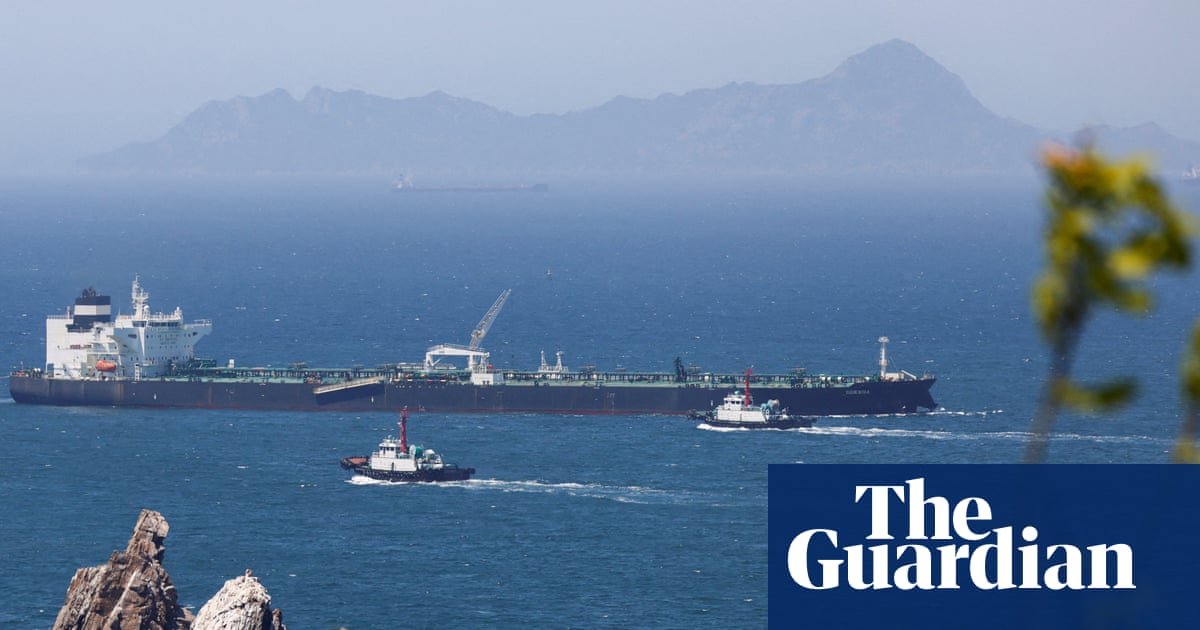
US-Iran peace deal opens up oil strait of Hormuz, but oil and gas prices are expected to stay elevated for months as buyers refill emergency stocks.
Oil and gas markets are relieved after a deal between the US and Iran allows ships to pass through the strait of Hormuz again. But even with this, it will take months before oil prices return to normal because there's not enough oil in storage yet. This could cause some people to pay more for fuel.
Analysis
Oil and Gas Markets React Post-US-Iran Deal
After weeks of unprecedented disruption, oil prices have dropped significantly following a US-Iran peace deal that allows the reopening of the strait of Hormuz. The international oil benchmark remains above $69 per barrel but has fallen from its peak of $126 per barrel during the crisis.
Immediate Impact on Prices and Demand
The price drop for Brent crude fell to lows of $83 per barrel, while wholesale gas prices dropped about 6%. US consumers can expect lower gasoline prices as a result. However, analysts predict that it may take until July before oil flows return to pre-crisis levels.
Long-Term Effects and Challenges
Even with the reopening of the strait, the process will be gradual due to depleted emergency crude stockpiles. Analysts at Rystad Energy estimate that oil exports from the Gulf could take until next year to reach pre-crisis levels. Gas exports may also face delays as Qatar's gas processing facilities were damaged during the conflict.
Political and Economic Considerations
The US-Iran deal is seen as a tactical move by both parties, with Iran preferring a gradual reopening to maintain its leverage over the US. The political risk for Trump in the upcoming midterm elections could be mitigated if lower fuel prices are achieved.
Key points
- Oil and gas markets are relieved after a US-Iran deal allows ships to pass through the strait of Hormuz again
- Prices may remain high due to depleted emergency crude stockpiles
- It could take until July before oil flows return to pre-crisis levels
- Gas exports may face delays as Qatar's gas processing facilities were damaged during the conflict
- The reopening of the strait is seen as a tactical move by both parties, with Iran preferring a gradual reopening
Even if the deal reopens the strait immediately, lower gasoline prices and potentially a better outcome for US Republicans in the midterm elections are possible. However, it may take until July before oil flows return to pre-crisis levels.
It could take until next year for oil exports from the Gulf to reach pre-crisis levels due to damaged gas processing facilities and aging oilfields that need time to restart. This could lead to higher prices as buyers compete for limited supplies of gas.