‘Overnight, everything was dead’: the Teeside fisherman turned activist dubbed the Mr Bates of the seas
A documentary film highlights the plight of Teeside fishermen, led by Stan Rennie, who are fighting for answers after mass die-offs of marine life threatened their livelihoods.
Intelligence analysis by Gemini 2.5 Flash Lite
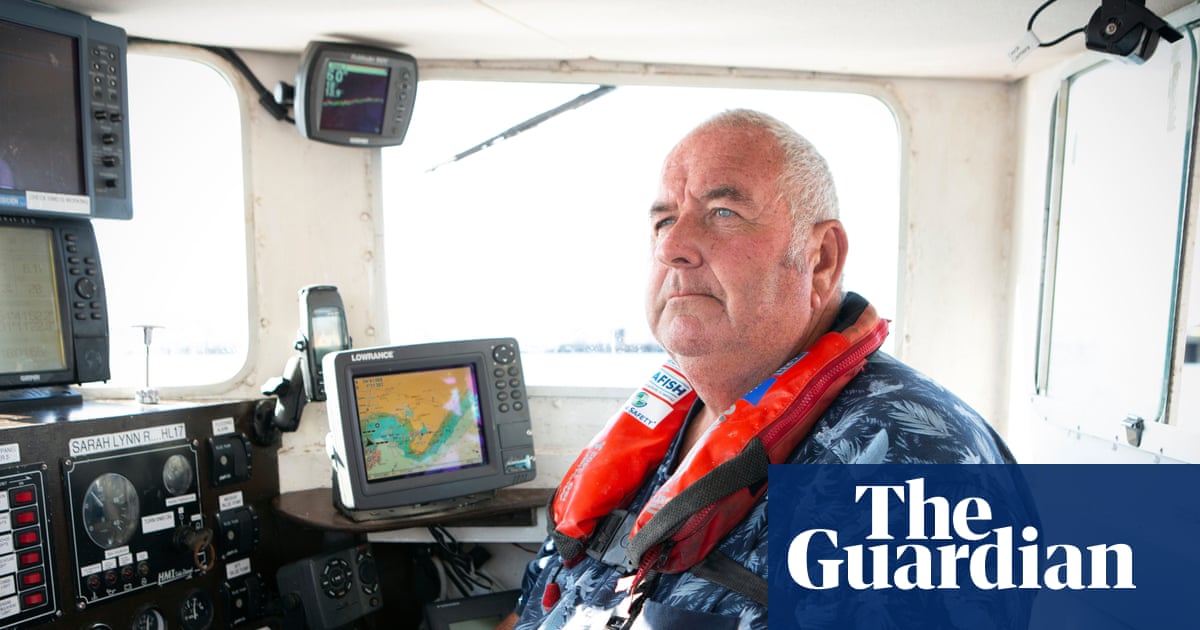
The film 'All Rivers Spill Their Stories to the Sea' focuses on fisherman Stan Rennie and the North East Fishing Collective's struggle for truth following unexplained marine die-offs, drawing parallels to the Post Office scandal.
Imagine a big pollution spill happened in the ocean near where fishermen work. Suddenly, all the fish and crabs they used to catch were gone or dead. This movie is about one fisherman who, like a detective, tries to find out why this happened and fight for his job and the sea.
Analysis
Stan Rennie
Stan Rennie, a fisherman from Teesside, has become a reluctant but determined leader in the fight for answers following a series of devastating marine die-offs along the Yorkshire and north-east coast. His life, deeply intertwined with the sea and sustainable fishing practices, was irrevocably altered in September 2021 when thousands of dead crustaceans washed ashore. Rennie's commitment to conservation, exemplified by his practice of v-notching female lobsters to protect them for their entire lifespan, underscores the profound loss experienced by him and his community. The sudden disappearance of marine life, which he describes as "everything was dead" overnight, has spurred him to campaign tirelessly for the truth, transforming him into a figure of resilience and advocacy.
All Rivers Spill Their Stories to the Sea
Filmmaker Jeanie Finlay's documentary, "All Rivers Spill Their Stories to the Sea," offers a poignant portrayal of the human impact of environmental catastrophe, rather than a definitive scientific investigation. Finlay, a local to the Teesside area, followed Rennie and the North East Fishing Collective (NEFC) for four years, building trust through her understanding of the region and its people. The film has garnered critical acclaim, with Mark Kermode praising it as "a life-affirming treat." The documentary's framing, focusing on the search for answers and the emotional toll on those affected, has resonated with audiences and critics alike, drawing comparisons to the public outcry surrounding the Post Office scandal.
North East Fishing Collective
The North East Fishing Collective (NEFC) represents approximately 60 fishermen whose livelihoods have been decimated by the unexplained marine die-offs. Initially skeptical and distrustful of external attention, the group's willingness to engage with Finlay was partly influenced by the public's response to the "Mr Bates vs The Post Office" series, which highlighted similar struggles of ordinary people against powerful institutions. The collective's efforts are a testament to the power of community solidarity in the face of adversity, as they collectively seek to uncover the causes of the ecological disaster and hold responsible parties accountable, navigating complex scientific, legal, and bureaucratic challenges.
Key points
- Thousands of dead crabs and lobsters washed ashore in September 2021, devastating the local fishing industry.
- Authorities initially blamed an algae bloom or pathogen, denying a link to dredging operations in the River Tees.
- Filmmaker Jeanie Finlay's documentary "All Rivers Spill Their Stories to the Sea" follows fisherman Stan Rennie and his community's search for answers.
- The film draws parallels to the Post Office scandal, highlighting ordinary people fighting against powerful institutions.
- Stan Rennie is a dedicated fisherman known for sustainable practices, now leading the North East Fishing Collective (NEFC) in their campaign.
The film's critical acclaim and public attention could galvanize support for environmental accountability and provide a platform for the fishermen to seek justice and compensation. Increased awareness may also lead to stricter regulations and better environmental monitoring to prevent future ecological disasters.
Despite the documentary's efforts, the lack of an official cause for the die-offs leaves the fishermen in a precarious position, potentially unable to secure definitive answers or hold specific parties accountable. The long-term economic viability of their industry remains uncertain without clear resolution.