Pakistan Leads UN Push for Hepatitis Elimination
Pakistan's Permanent Mission to the UN hosted a diplomatic briefing on eliminating viral hepatitis. The event aimed to strengthen international cooperation and secure a UN High-Level Meeting on the issue by 2028.
Intelligence analysis by Llama 3.3 70B
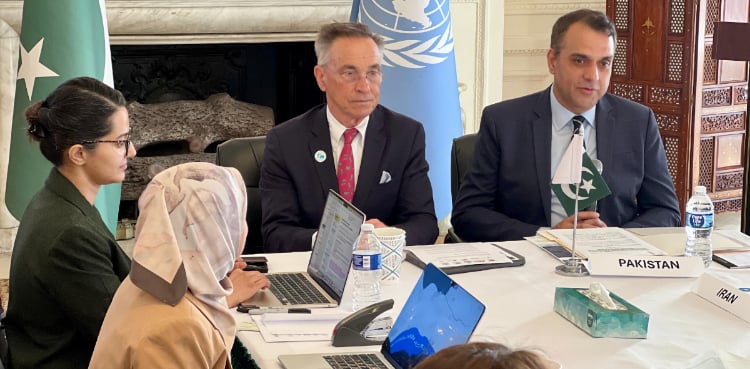
Pakistan is leading a UN push to eliminate hepatitis, a disease that claims 1.3 million lives annually. The country hosted a high-level diplomatic briefing to discuss strategies for addressing the disease and build momentum for a dedicated UN meeting.
Imagine a disease that kills over a million people every year. That's what hepatitis does. Pakistan is trying to get the world to work together to stop this disease, and they're leading the way by hosting important meetings and starting programs to help their own people.
Analysis
Introduction to Hepatitis Elimination Efforts
The global burden of viral hepatitis is a significant public health concern, with an estimated 1.3 million lives lost annually. Pakistan's Permanent Mission to the UN has taken a leadership role in addressing this issue, hosting a high-level diplomatic briefing to discuss strategies for eliminating the disease.
The briefing, titled "Advancing Hepatitis Elimination: Building Momentum for High-Level Political Action," brought together health officials, diplomats, and global health leaders to explore pathways toward securing a dedicated UN High-Level Meeting on viral hepatitis by 2028. This meeting is crucial in raising awareness and securing international cooperation to combat the disease.
Pakistan's Domestic Response to Hepatitis
Pakistan's government has launched the Prime Minister's Hepatitis C Elimination Program, with an allocation of $250 million in partnership with the World Health Organization. The initiative aims to eliminate Hepatitis C as a public health threat by 2030 through free screening, diagnosis, and treatment services. The program is led by the Prime Minister himself, who monitors progress and provides strategic guidance.
The task force includes leading international and national experts, public health specialists, physicians, researchers, and government officials. This comprehensive approach ensures effective oversight and accountability, increasing the chances of success in eliminating the disease.
Global Cooperation and Future Action
The consultation provided an opportunity for member states and health officials to examine ways to raise the profile of hepatitis within the broader UN agenda. Delegates discussed procedural, political, and financial considerations related to advancing future high-level action, including the possibility of a dedicated UN meeting on the issue.
Participants stressed the importance of strengthening coalition-building efforts, ensuring broad geographic representation, and expanding support among member states to achieve global hepatitis elimination targets by 2030. While no formal decisions were reached, delegates expressed strong interest in continuing informal consultations and identifying practical steps to increase political momentum for hepatitis elimination through existing UN processes and platforms.
Key points
- Pakistan is leading a UN push to eliminate hepatitis
- The disease claims 1.3 million lives annually
- Pakistan's government has launched a $250 million program to eliminate Hepatitis C by 2030
If Pakistan's efforts to eliminate hepatitis are successful, it could lead to a significant reduction in deaths from the disease worldwide. The country's leadership in this area can also inspire other nations to take action, leading to a global movement to combat hepatitis. Additionally, the success of this initiative can demonstrate the power of international cooperation in addressing global health issues.
Despite the importance of the issue, the elimination of hepatitis faces significant challenges, including a lack of awareness and limited resources. If these challenges are not addressed, the disease could continue to claim millions of lives annually. Furthermore, the success of Pakistan's initiative depends on the cooperation of other nations, which can be difficult to secure.