Pakistani boxer Qudratullah among several athletes reported 'missing' in Scotland after Commonwealth Games
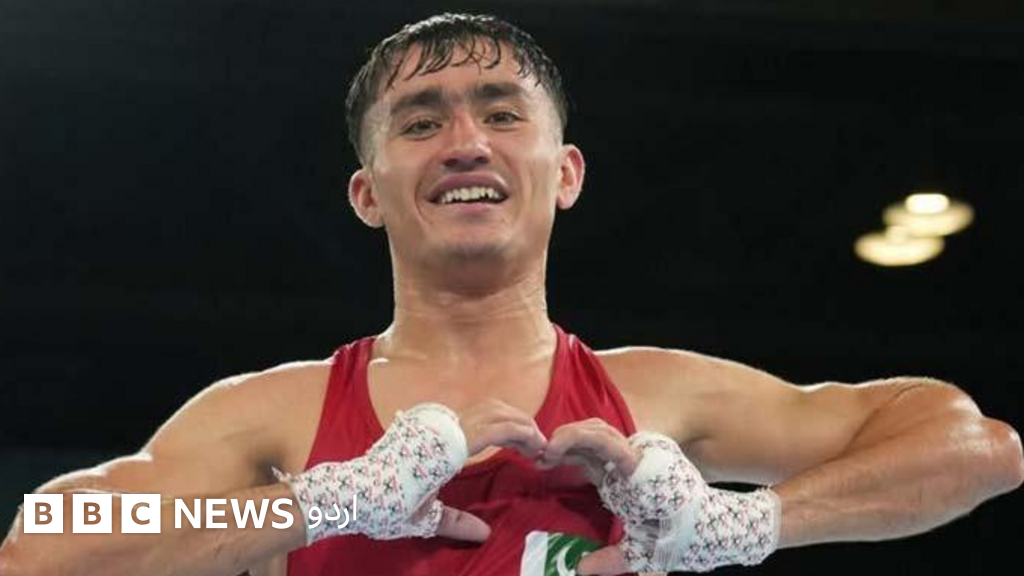
Pakistani boxer Qudratullah and several other athletes have been reported missing in Scotland after the Commonwealth Games ended in Glasgow, with Uganda also losing four boxers who reportedly intend to seek asylum.
Intelligence analysis by Llama
Multiple athletes from Pakistan and Uganda failed to board their return flights after the Glasgow Commonwealth Games closed on Sunday. Pakistan's Sports Board has launched an inquiry, while four Ugandan boxers reportedly plan to seek political asylum in Scotland, citing better training opportunities.
After the big sports event in Scotland ended, some athletes from Pakistan and Uganda chose not to fly home. They quietly stayed behind, and at least the Ugandan boxers say they want to ask the UK for asylum so they can train in better gyms and live more safely. Pakistan is looking into what happened with Qudratullah.
Analysis
A Familiar Post-Games Pattern
The disappearance of athletes after major international competitions is not a new phenomenon for the Commonwealth Games. The BBC report notes that after the 2014 Glasgow Games — held in the same city — dozens of athletes also went missing, with some later applying for asylum and others simply vanishing from record. This time around, Pakistani boxer Qudratullah did not board the return flight alongside his teammates, and when officials went looking for him at his accommodation, his room was empty. The Pakistan Sports Board has responded by forming an inquiry committee, with Director General Yawar Hussain telling the BBC that a report is expected within three days. A Boxing Federation official expressed cautious optimism that Qudratullah would return before his visa expired, suggesting the federation itself does not view his absence as a defection.
Uganda's Boxers and the Asylum Calculus
The story's center of gravity, however, is Uganda's contingent, where the picture is much clearer. Four Ugandan boxers — Noko Baate, Angel Katushabe, Ibrahim Keemz, and Emily Nkalima — failed to board their return flight. According to NBS Sports, which contacted one of them directly, the group intends to seek political asylum in Scotland, framing their decision around access to better training facilities, professional opportunities, and a more secure environment than they have at home. The athletes reportedly appealed to the Ugandan public for understanding and asked that no judgement be passed against them. Uganda's team spokesperson declined to comment, and the remainder of the delegation has already returned home. The Glasgow 2026 accommodation policy required athletes to vacate provided housing two days after their final event — a structural detail that simplifies departure for those who have decided to stay.
The Pakistani Angle and the Hard Questions Ahead
For Pakistan, the situation is more ambiguous. Fatima Zahra, the boxer who won Pakistan's first medal (a bronze) at these Games, did return with the contingent. Qudratullah's disappearance, however, places Pakistan in the company of countries whose athletes have used British soil as a route out — and that history is not flattering. The BBC notes that after the 2014 Games, a Ugandan rugby player who stayed in the UK was later convicted of rape in Cardiff and sentenced to four-and-a-half years. A Cameroonian weightlifter from those same Games — Cyrille Tchatchet — also disappeared before resettling in the UK; remarkably, he returned to compete in 2026 and won silver. The UK Home Office conducts vetting before major events, and asylum claims are assessed individually. Still, the unanswered question for Pakistani officials is whether Qudratullah is a young man exercising personal choice, a victim of circumstances at home, or a security and reputational concern — and whether the inquiry committee can deliver answers before the story migrates from sports desks to political ones.
Key points
- Pakistani boxer Qudratullah failed to board the return flight after the Glasgow Commonwealth Games and was not found in his room when officials checked
- Pakistan's Sports Board has formed a three-day inquiry into his disappearance; the Boxing Federation expects him to return before his visa expires
- Four Ugandan boxers — Noko Baate, Angel Katushabe, Ibrahim Keemz, and Emily Nkalima — also failed to return, reportedly planning to seek political asylum in Scotland
- Boxer Fatima Zahra, who won Pakistan's first bronze at these Games, did return with the team
- The phenomenon echoes the 2014 Glasgow Games, where dozens of athletes went missing, including a Ugandan rugby player later convicted of rape in Cardiff
- Glasgow 2026 required athletes to vacate official accommodation two days after their final event, easing the logistics of staying behind
If the boxing federation's reading is correct, Qudratullah may simply have delayed his return and will fly back before his visa expires — preserving Pakistan's full medal-winning squad on the books and avoiding a politically awkward defection narrative.
A worst-case scenario repeats the 2014 pattern: athletes overstay visas, some face exploitation or fall into undocumented status, and at least one previous absentee was convicted of a serious crime in the UK. For Pakistan, an unresolved disappearance would also reignite uncomfortable questions about why elite athletes feel compelled to seek futures abroad in the first place.