Philippines got an economic upgrade, yet many Filipinos feel it’s no ‘big deal’
The Philippines was recently upgraded to an upper-middle-income country by the World Bank, but many Filipinos feel this classification makes little difference to their struggles with rising cost of living, debt, and stagnant wages.
Intelligence analysis by Llama
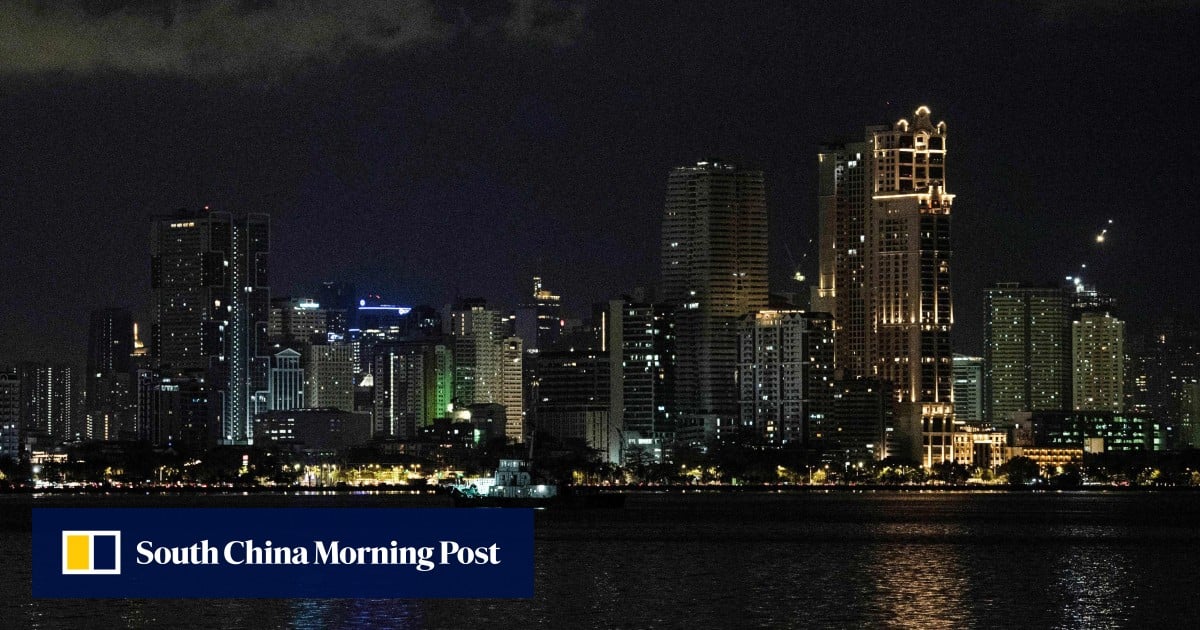
The Philippines' upgrade to upper-middle-income status has little impact on Filipinos struggling with inflation, debt, and meager wages, with many feeling it's just a milestone that doesn't match their economic reality.
The Philippines was just upgraded to a better economic status, but many people there are still struggling to make ends meet. They're worried about things like not having enough money for food, housing, and other basic needs.
Analysis
A $60B Vote of Confidence
The Philippines' recent upgrade to upper-middle-income status by the World Bank is a significant milestone, but it has little impact on the daily struggles of its citizens. The country's gross national income (GNI) per capita has reached $4,850 in 2025, surpassing the $4,636 cut-off for upper-middle-income economies. However, this classification does not match the nation's economic reality, where millions of Filipinos are struggling with meager wages, attacks on livelihoods, and inaccessible basic necessities.
Why Cursor?
The World Bank's upgrade should not be considered a big deal when millions of Filipinos are still struggling with meager wages, attacks on livelihoods, and inaccessible basic necessities. The country's economic indicators, such as GNI per capita, do not reflect the daily struggles of its citizens. For instance, the entire salary of Ann Michelle Federez-Abato goes towards her parents' mortgage, while she and her two-year-old daughter subsist on a monthly remittance of $324 from her husband, who works abroad as a production officer at a factory.
The Road Ahead
The Philippines' economic upgrade highlights the need for policies that address poverty and inequality. The country's government must prioritize the needs of its citizens, particularly those struggling with debt and stagnant wages. This can be achieved by implementing policies that promote economic growth, reduce poverty, and improve access to basic necessities. By doing so, the Philippines can ensure that its economic indicators reflect the daily struggles of its citizens and provide a better quality of life for all Filipinos.
Key points
- The Philippines was recently upgraded to an upper-middle-income country by the World Bank.
- The upgrade has little impact on Filipinos struggling with rising cost of living, debt, and stagnant wages.
- The country's economic indicators, such as GNI per capita, do not reflect the daily struggles of its citizens.
- The Philippines' government must prioritize the needs of its citizens, particularly those struggling with debt and stagnant wages.
- Policies that promote economic growth, reduce poverty, and improve access to basic necessities are needed to address the country's economic challenges.
If the Philippines' government prioritizes the needs of its citizens, particularly those struggling with debt and stagnant wages, it could lead to economic growth and improved access to basic necessities, ultimately benefiting the country's citizens.
If the Philippines' government fails to address poverty and inequality, it could lead to further economic stagnation, increased debt, and reduced access to basic necessities, ultimately harming the country's citizens.