Rotaku’s founder thinks humanoid robots need ‘character’ to stand out
Rotaku founder Lu Zhuoran discusses the importance of character in humanoid robots and his vision for the platform.
Intelligence analysis by Qwen 2.5 (3B)
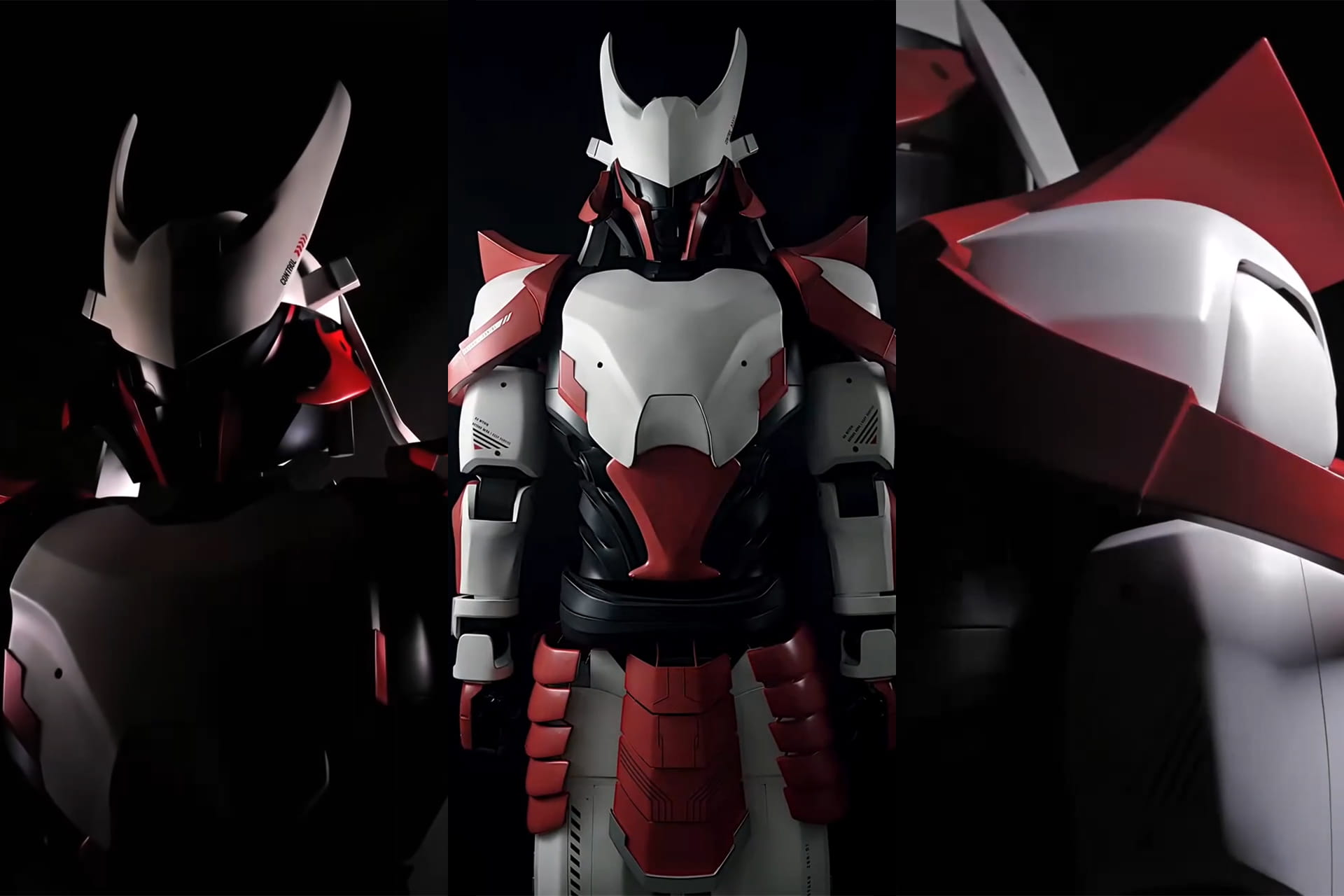
Rotaku founder Lu Zhuoran shares his vision for humanoid robots, emphasizing the importance of character over industrial design.
Lu Zhuoran, the founder of Rotaku, thinks humanoid robots should have a personality, like a toy that can make you feel something. He believes that making robots look and act more like humans will make them more interesting and useful.
Analysis
Aesthetics and Identity in Robotics
Lu Zhuoran, the founder of Rotaku, emphasizes the importance of aesthetics and identity in robotics. He draws parallels between the design of humanoid robots and traditional Japanese architecture, highlighting the role of subtle movements and energy in creating a sense of presence. He explains that a humanoid robot is more than just industrial design and that its character is crucial for its development.
The Role of Character in Robotics
Lu Zhuoran argues that humanoid robots should not be seen as mere industrial products but as entities with their own character. He believes that the interaction model, underlying character model, motion control, and even the way a robot walks are essential components of a humanoid robot's development. He also draws a comparison to the collectible toy market, suggesting that a robot's ability to evoke emotions is a key factor in its success.
The Future of Robotics
Lu Zhuoran's vision for the future of robotics is one where humanoid robots are not just functional tools but entities with their own personalities. He believes that the industry should focus on developing a more human-like interaction model and character model to make humanoid robots more appealing and relatable to users.
Key points
- Rotaku founder Lu Zhuoran emphasizes the importance of character in humanoid robots.
- Lu Zhuoran draws parallels between humanoid robots and traditional Japanese architecture.
- He believes that the interaction model, character model, and motion control are crucial for humanoid robots.
Rotaku's humanoid robots could become popular collectibles, evoking strong emotions in users and driving the development of more human-like machines.
If Rotaku's approach to humanoid robots fails, it could lead to a lack of investment and development in the industry.