Punjab Proposes New Policy for 20-Year-Old Vehicles
The Punjab government is planning to remove vehicles older than 20 years from roads under its first-ever New Energy Vehicle (NEV) Policy. The draft policy proposes a phased enforcement model, starting with digital vehicle age verification and restrictions in selected urba…
Intelligence analysis by Llama
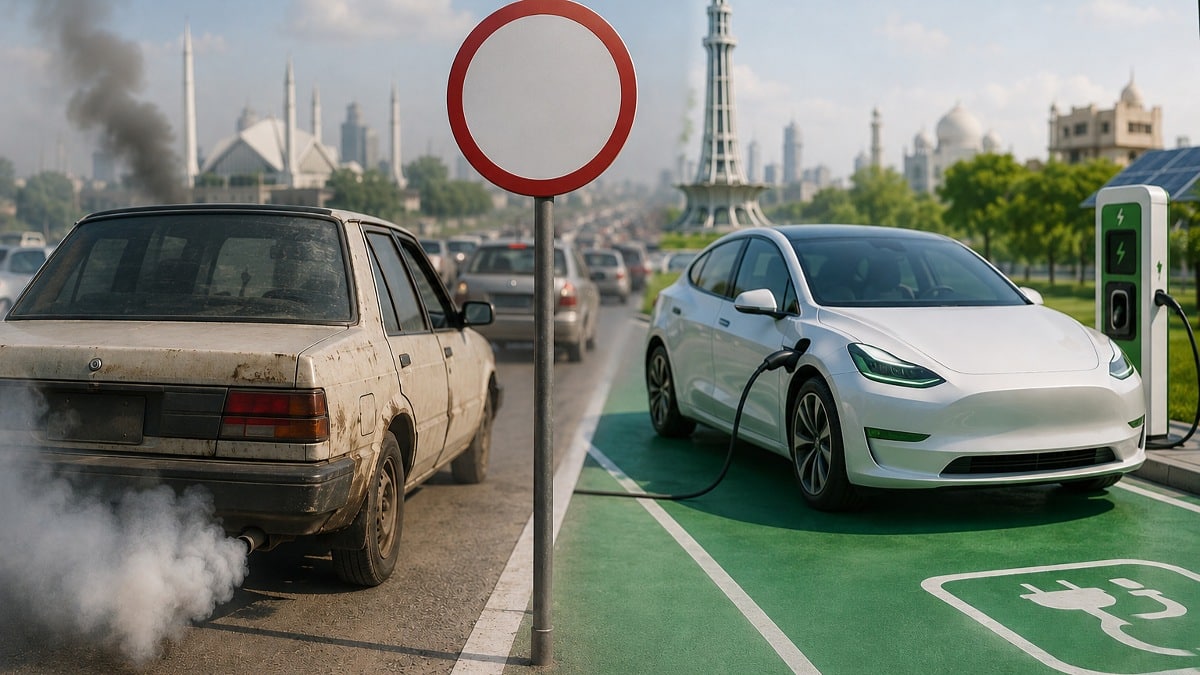
The Punjab government is planning to remove vehicles older than 20 years from roads under its first-ever New Energy Vehicle (NEV) Policy. The policy proposes a phased enforcement model, starting with digital vehicle age verification and restrictions in selected urban areas.
The Punjab government is planning to remove old cars from the roads to reduce pollution and promote new energy vehicles. They will start by verifying the age of all cars and then restrict old cars in certain areas. This will help create a market for new energy vehicles and reduce the province's reliance on fossil fuels.
Analysis
A $60B Vote of Confidence
The Punjab government's proposed New Energy Vehicle (NEV) Policy is a significant step towards reducing air pollution and promoting the use of new energy vehicles in the province. The policy aims to remove vehicles older than 20 years from roads, which will not only reduce emissions but also create a market for new energy vehicles. The draft policy proposes a phased enforcement model, starting with digital vehicle age verification and restrictions in selected urban areas. This approach will allow the government to gradually phase out older vehicles and provide incentives for owners to scrap their vehicles and purchase new energy vehicles. The policy also includes plans to establish more than 3,000 charging stations across Punjab and gradually transition all new government vehicle purchases to electric or other approved low-emission technologies by 2030. This is a significant investment in the province's transportation infrastructure and will help to reduce the province's reliance on fossil fuels. The policy also has implications for the automotive industry, as it will create a new market for new energy vehicles and provide opportunities for manufacturers to produce and sell these vehicles in the province. Overall, the Punjab government's proposed NEV Policy is a positive step towards reducing air pollution and promoting the use of new energy vehicles in the province.
Why Cursor?
The Punjab government's proposed NEV Policy is a significant step towards reducing air pollution and promoting the use of new energy vehicles in the province. The policy aims to remove vehicles older than 20 years from roads, which will not only reduce emissions but also create a market for new energy vehicles. The draft policy proposes a phased enforcement model, starting with digital vehicle age verification and restrictions in selected urban areas. This approach will allow the government to gradually phase out older vehicles and provide incentives for owners to scrap their vehicles and purchase new energy vehicles. The policy also includes plans to establish more than 3,000 charging stations across Punjab and gradually transition all new government vehicle purchases to electric or other approved low-emission technologies by 2030. This is a significant investment in the province's transportation infrastructure and will help to reduce the province's reliance on fossil fuels. The policy also has implications for the automotive industry, as it will create a new market for new energy vehicles and provide opportunities for manufacturers to produce and sell these vehicles in the province. Overall, the Punjab government's proposed NEV Policy is a positive step towards reducing air pollution and promoting the use of new energy vehicles in the province.
The Road Ahead
The Punjab government's proposed NEV Policy is a significant step towards reducing air pollution and promoting the use of new energy vehicles in the province. The policy aims to remove vehicles older than 20 years from roads, which will not only reduce emissions but also create a market for new energy vehicles. The draft policy proposes a phased enforcement model, starting with digital vehicle age verification and restrictions in selected urban areas. This approach will allow the government to gradually phase out older vehicles and provide incentives for owners to scrap their vehicles and purchase new energy vehicles. The policy also includes plans to establish more than 3,000 charging stations across Punjab and gradually transition all new government vehicle purchases to electric or other approved low-emission technologies by 2030. This is a significant investment in the province's transportation infrastructure and will help to reduce the province's reliance on fossil fuels. The policy also has implications for the automotive industry, as it will create a new market for new energy vehicles and provide opportunities for manufacturers to produce and sell these vehicles in the province. Overall, the Punjab government's proposed NEV Policy is a positive step towards reducing air pollution and promoting the use of new energy vehicles in the province.
Key points
- The Punjab government is planning to remove vehicles older than 20 years from roads under its first-ever New Energy Vehicle (NEV) Policy.
- The policy proposes a phased enforcement model, starting with digital vehicle age verification and restrictions in selected urban areas.
- The policy aims to reduce air pollution and promote the use of new energy vehicles in the province.
- The policy includes plans to establish more than 3,000 charging stations across Punjab and gradually transition all new government vehicle purchases to electric or other approved low-emission technologies by 2030.
If the policy is implemented successfully, it could lead to a significant reduction in air pollution and a growth in the new energy vehicle market. This could also create new job opportunities in the automotive industry and reduce the province's reliance on fossil fuels.
The policy could face challenges in implementation, such as resistance from car owners who do not want to scrap their vehicles. Additionally, the cost of purchasing new energy vehicles could be a barrier for many people, which could limit the policy's effectiveness.