Quiet on set. How AI transformed China’s microdrama scene
The microdrama industry in China has been decimated by AI-video generation tools, which can produce these popular, vertical shows at a fraction of the cost. This has left many actors and production crews struggling to stay afloat.
Intelligence analysis by Llama
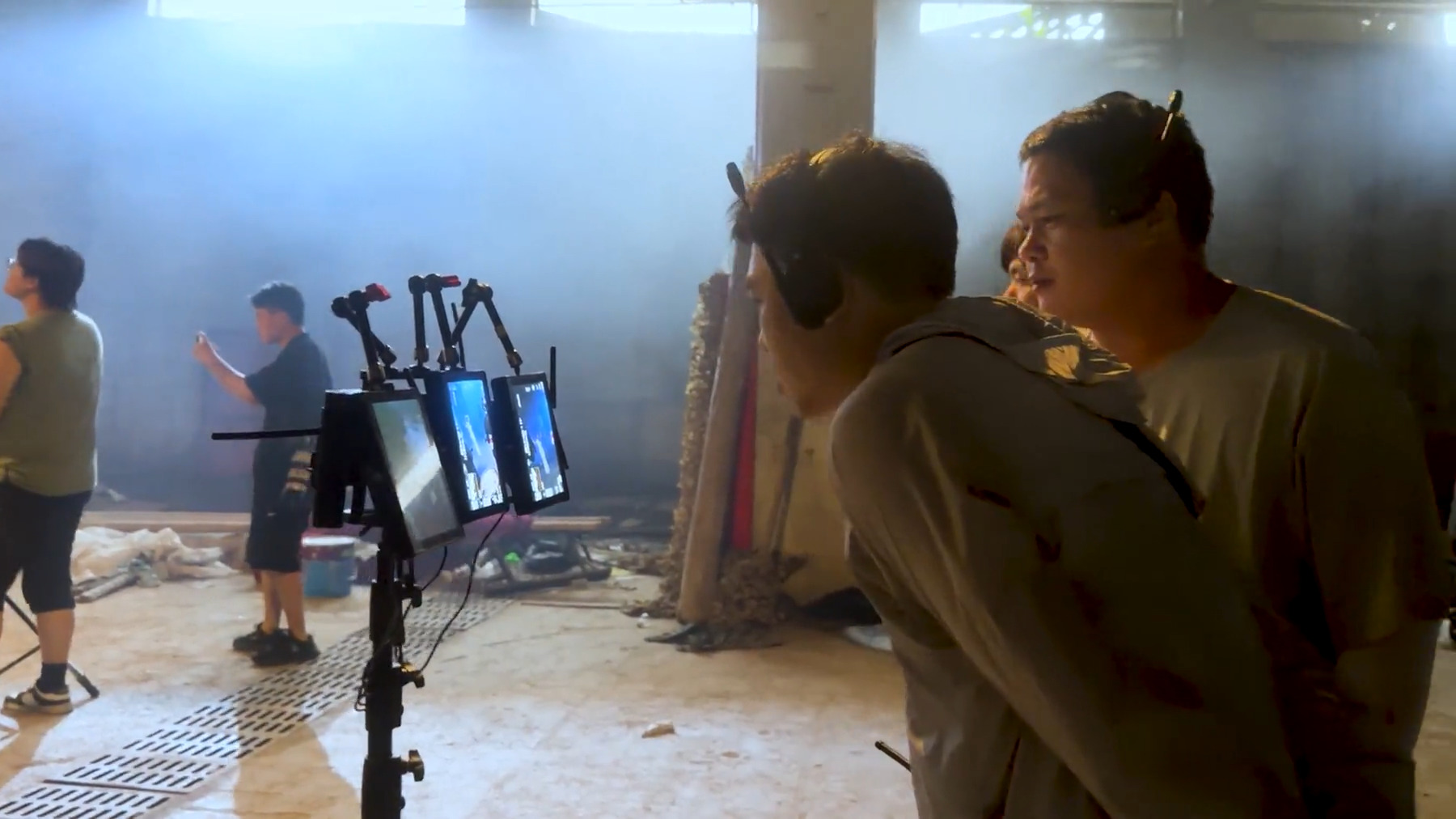
The rise of AI-generated microdramas has led to a decline in live-action productions in China, leaving many actors and crew members without work. The industry, which was valued at nearly $15 billion last year, is now facing a 'bitter winter' as productions are cancelled and crews are laid off.
Imagine you're watching a really short video on your phone. It's like a mini-movie, but it's only a few minutes long. These videos are called microdramas, and they're really popular in China. But now, computers can make these videos too, and it's making it hard for people who make them for a living to find work.
Analysis
The Rise of Microdramas in China
The microdrama industry in China has been a phenomenon in recent years, with over 120,000 microdramas released in the first three months of this year. These short, vertical videos have become incredibly popular on platforms like Douyin and Kuaishou, and have spawned a multi-billion-dollar industry. However, the industry's rapid growth has also led to a decline in live-action productions, as AI-generated microdramas have become the norm.
The Impact of AI on the Industry
The introduction of AI-video generation tools has decimated the microdrama industry, leaving many actors and production crews without work. The tools can produce high-quality microdramas at a fraction of the cost of live-action productions, making it difficult for human crews to compete. As a result, many productions have been cancelled, and crews have been laid off. The industry is now facing a 'bitter winter' as it struggles to adapt to the new reality.
The Future of the Industry
The impact of AI on the microdrama industry is not limited to China. The industry's rapid growth and decline have significant implications for the livelihoods of thousands of people involved in the industry, and could potentially upend movie-making globally. As AI continues to advance, it is likely that the industry will continue to evolve, and new opportunities will emerge. However, for now, the industry is facing a difficult time, and it remains to be seen how it will adapt to the changing landscape.
Key points
- The microdrama industry in China has been decimated by AI-video generation tools.
- The industry is facing a 'bitter winter' as productions are cancelled and crews are laid off.
- The impact of AI on the industry has significant implications for the livelihoods of thousands of people involved in the industry.
- The industry may need to adapt to the new reality and find new opportunities for human creativity and AI-generated content.
If the industry can adapt to the new reality, there may be opportunities for new types of productions that combine human creativity with AI-generated content. This could lead to new and innovative forms of storytelling.
The decline of the microdrama industry could lead to a loss of jobs and livelihoods for thousands of people involved in the industry. It could also have a negative impact on the wider film industry, as the skills and expertise developed in the microdrama industry are lost.