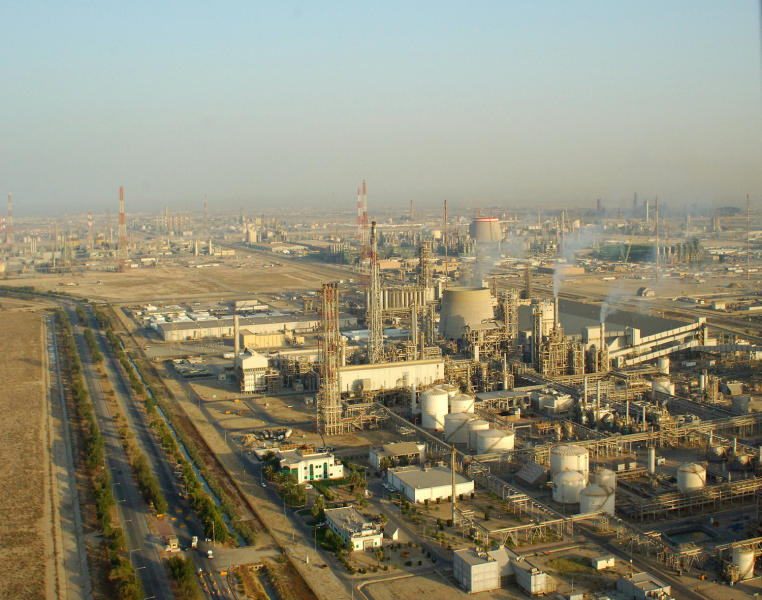
The US has been imposing sanctions on Iran since 1979
The US has been imposing sanctions on Iran since 1979, with the goal of deterring and constraining the Iranian regime's behavior. The sanctions are wide-ranging, banning nearly all US trade with Iran and blocking Iranian government assets in the country.
Intelligence analysis by Llama
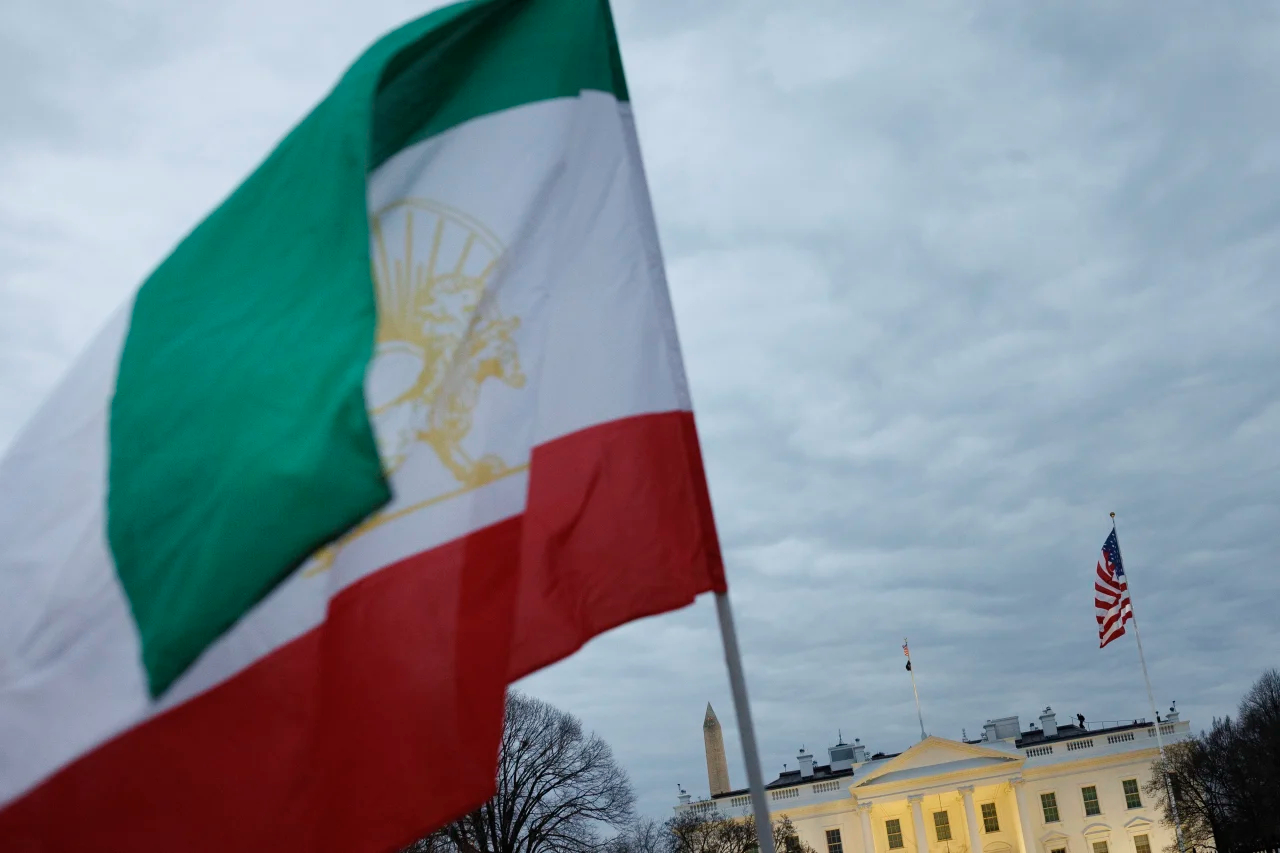
The US has been imposing sanctions on Iran since 1979, with the goal of deterring and constraining the Iranian regime's behavior. The sanctions are wide-ranging, banning nearly all US trade with Iran and blocking Iranian government assets in the country. US Treasury Secretary Scott Bessent has warned of an 'economic D-Day' for Iran, but has not provided further details.
Imagine the US is trying to stop Iran from doing something bad. The US is using special rules, called sanctions, to make it hard for Iran to do business with other countries. This is like putting a big lock on a door to keep someone from getting in. The US is trying to stop Iran from getting what it needs to do bad things.
Analysis
The History of US Sanctions on Iran
The US has been imposing sanctions on Iran since 1979, following the US embassy in Tehran being seized after the Iranian Revolution. The sanctions were used to 'deter, constrain, and encourage change in the adversarial behavior of the Iranian regime,' according to a Congressional Research Service (CRS) report.
The Extent of US Sanctions on Iran
US sanctions on Iran are arguably the most extensive and comprehensive set of sanctions that the United States maintains on any country, according to the CRS report. The financial penalties are wide-ranging, banning nearly all US trade with Iran, blocking Iranian government assets in the country, and prohibiting foreign assistance and arms sales.
The Impact of US Sanctions on Iran
The sanctions have had a significant impact on the Iranian economy, with the Iranian currency dropping to a record low in August 2026. The sanctions have also limited Iran's ability to access international markets and has led to widespread poverty and unemployment in the country.
The US's Endgame for Iran
US Treasury Secretary Scott Bessent has warned of an 'economic D-Day' for Iran, but has not provided further details. The US's endgame for Iran is unclear, but it is likely that the US is seeking to prevent Iran from developing nuclear capabilities and to influence Iranian behavior.
The Implications of US Sanctions on Iran
The US sanctions on Iran have significant implications for the global economy and the Iranian people. The sanctions are a key tool in the US's efforts to influence Iranian behavior and prevent the country from developing nuclear capabilities. The sanctions also have a significant impact on the Iranian economy, limiting the country's ability to access international markets and leading to widespread poverty and unemployment.
Key points
- The US has been imposing sanctions on Iran since 1979.
- The sanctions are wide-ranging, banning nearly all US trade with Iran and blocking Iranian government assets in the country.
- US Treasury Secretary Scott Bessent has warned of an 'economic D-Day' for Iran, but has not provided further details.
- The US's endgame for Iran is unclear, but it is likely that the US is seeking to prevent Iran from developing nuclear capabilities and to influence Iranian behavior.
If the US sanctions on Iran are successful, it could lead to a decrease in Iran's nuclear capabilities and a reduction in the country's ability to fund terrorism. This could lead to a more stable and secure region, with improved relations between the US and Iran.
If the US sanctions on Iran fail, it could lead to a significant increase in Iran's nuclear capabilities and a rise in the country's ability to fund terrorism. This could lead to a more unstable and insecure region, with deteriorating relations between the US and Iran.