Sadiq Khan backs calls for maximum workplace temperature in UK
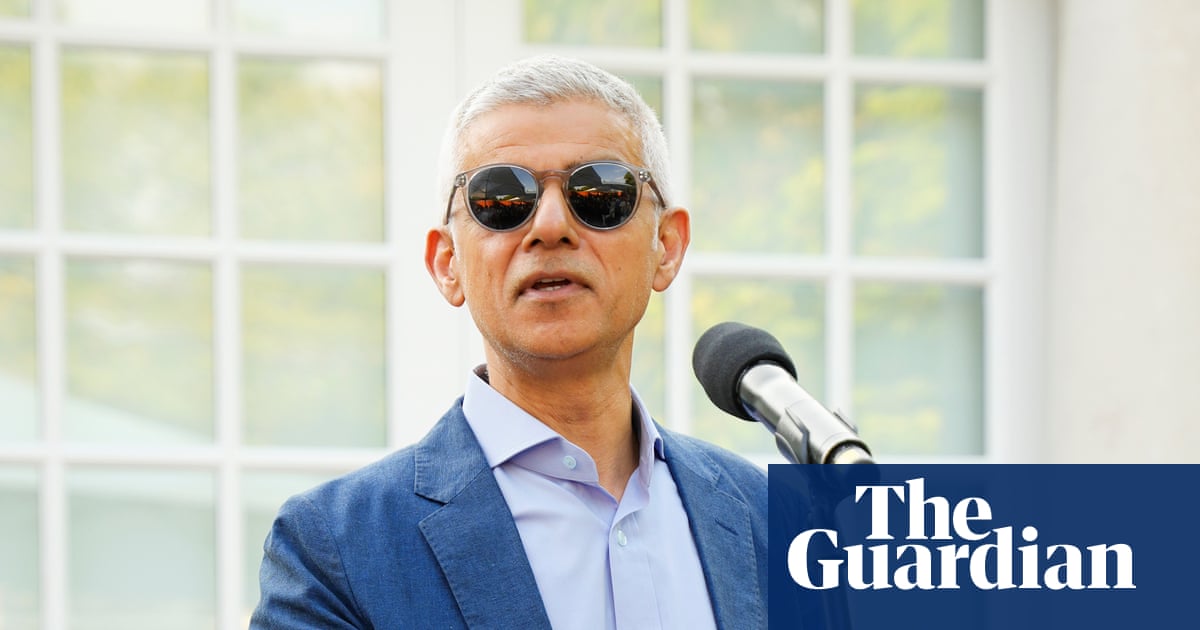
London Mayor Sadiq Khan supports calls for a maximum workplace temperature in the UK, citing extreme heat as a growing reality impacting workers and public services. This comes amidst increasing pressure on the government to introduce new health and safety regulations.
Intelligence analysis by Gemini 2.5 Flash
Amidst repeated heatwaves driven by climate change, London Mayor Sadiq Khan has publicly backed proposals for a maximum workplace temperature in the UK. Trade unions, campaigners, and a government advisory body have been pushing for a legal limit, such as 30C (or 27C for strenuous work), to protect workers and public services like schools and hospitals that have struggled to cope with…
Imagine your classroom or your parent's office getting super hot, like a giant oven, because of really sunny weather. Right now, there are rules for how cold a workplace can be, but not how hot. Important people like London's mayor, Sadiq Khan, think there should be a rule for how hot it can get, maybe around 30 degrees Celsius, so people don't get sick or struggle to work. This is because hot weather is happening more often and making it hard for schools, hospitals, and even buses to work properly.
Analysis
The Growing Call for Regulation
The UK currently has health and safety guidance for minimum workplace temperatures but lacks any legal framework for maximums, a significant oversight given the increasing frequency and intensity of summer heatwaves. This regulatory gap has become a focal point for trade unions like Unison and the Trades Union Congress, who advocate for a limit of 30C, or 27C for strenuous work. The Climate Change Committee, a government advisory body, also recommended setting maximum work temperature regulations to safeguard workers and encourage necessary cooling solutions.
The pressure on the government intensified with Green party MP Hannah Spencer's plan to introduce a bill for a workplace heat limit. Sadiq Khan's endorsement, as one of Labour's most senior elected officials, adds considerable political weight to the campaign. His support underscores the urgency of the issue, particularly for London, which has been severely affected by recent heatwaves, prompting Khan to launch initiatives aimed at helping the city adapt.
Widespread Impact on UK Infrastructure and Workers
The article vividly illustrates the severe consequences of extreme heat across various sectors. Schools have been forced to close, with teachers resorting to desperate measures like covering children in wet paper towels to keep them safe. The NHS in England has also faced disastrous impacts, including the failure of critical medical equipment like radiotherapy machines and MRI scanners, stalling IT systems, and breakdowns in hospital-wide cooling units. These incidents highlight the vulnerability of essential public services to rising temperatures.
Beyond public services, workers across all industries are struggling to cope, with some workplaces experiencing temperatures above 40C. The June heatwave alone was estimated to have caused 440 deaths per day during its peak, underscoring the direct threat to human life and well-being. The lack of clear maximum temperature guidelines leaves employers and employees without adequate protection or recourse, exacerbating health risks and reducing productivity.
Policy Debate and Social Justice Implications
The government's current stance is that it has "no plans to introduce a mandatory maximum workplace temperature," instead relying on existing Health and Safety Executive (HSE) guidance for employers. However, the HSE is slated to launch a public consultation on workplace health and safety this year, which will include temperature thresholds. This indicates a potential shift in policy, albeit a cautious one, as the government acknowledges the need to review existing frameworks.
Zoë Garbett, the Green party mayor of Hackney, frames the issue as a matter of social justice, arguing that the climate crisis disproportionately affects vulnerable populations. She emphasizes the need for urgent government investment in resilient public buildings and calls for councils to be given the powers and funding to lead the response. This broader perspective highlights that workplace temperature regulations are not just about health and safety, but also about equitable protection and adaptation in the face of a changing climate, with significant economic and societal implications.
Key points
- London Mayor Sadiq Khan supports calls for a maximum workplace temperature in the UK.
- The UK currently has minimum but no maximum workplace temperature regulations, despite increasing heatwaves.
- Trade unions and campaigners advocate for a limit of 30C, or 27C for strenuous work.
- Extreme heat has caused school closures, hospital system failures, and an estimated 440 deaths per day during a recent heatwave peak.
- The government currently has no plans for mandatory limits but will consult on workplace temperature thresholds this year.
If a maximum workplace temperature is implemented, it could significantly improve worker safety and comfort, potentially leading to increased productivity and reduced health-related absences. It would also incentivize businesses to invest in better cooling infrastructure, making workplaces more resilient to future heatwaves and lessening the strain on public services like the NHS.
The government's reluctance to introduce mandatory limits suggests that implementing such a policy could face significant political and economic hurdles. Businesses might resist new regulations due to potential compliance costs, and without proper funding and enforcement, the policy might not effectively protect all workers, leaving many still vulnerable to extreme heat.