Samsung integrates USDC to overhaul cross-border remittances for 82 million Galaxy users
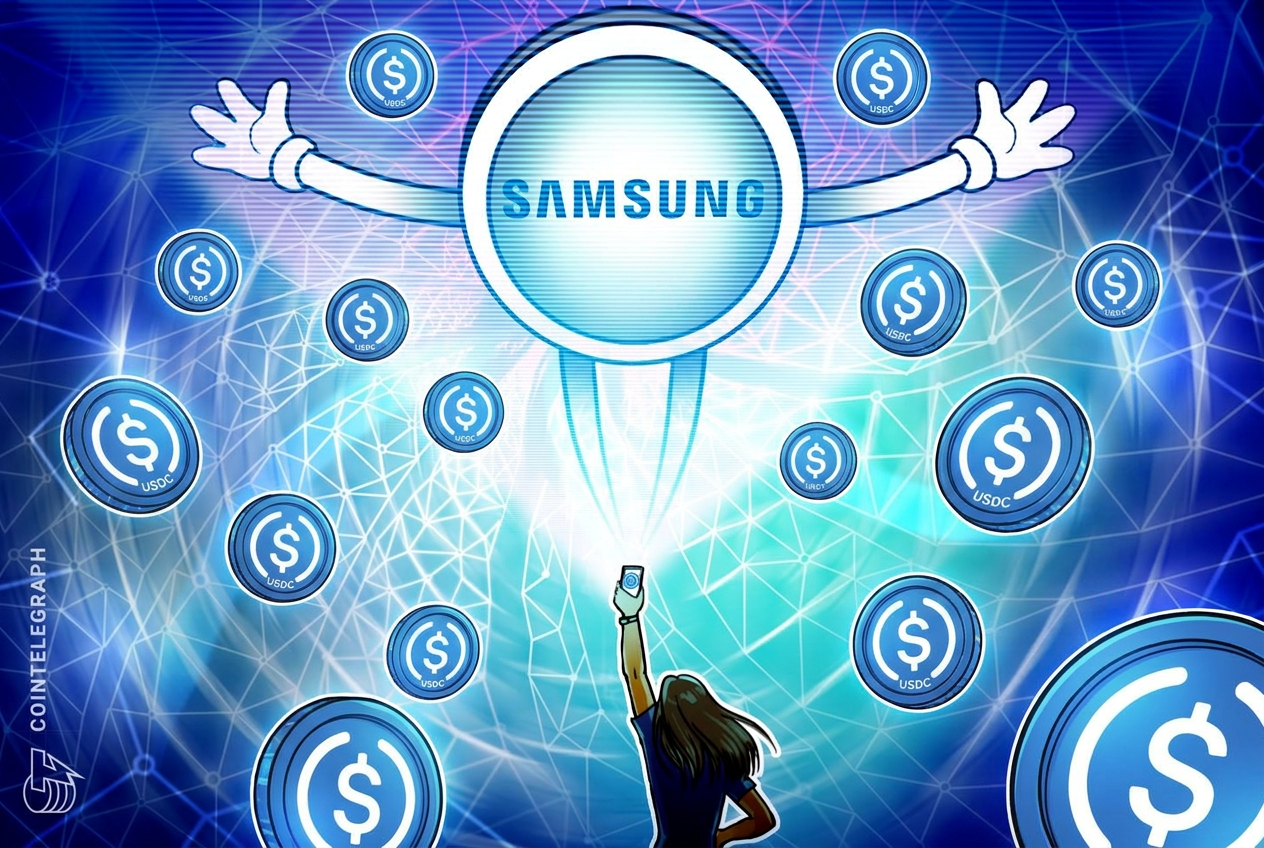
Samsung is integrating USDC into its Wallet app, enabling 82 million U.S. Galaxy users to send funds abroad via Solana and Sui blockchains starting late October. The service aims to simplify cross-border remittances, allowing recipients to receive local currency without n…
Intelligence analysis by Gemini 2.5 Flash Lite
Samsung's Wallet app is transforming into a global remittance tool, leveraging Solana and Sui to facilitate zero-fee USDC transfers for 82 million U.S. Galaxy users. This initiative, supported by Coinbase and Bastion, aims to make cross-border payments as easy as using a phone's existing wallet, potentially driving mainstream crypto adoption.
Imagine sending money to family far away. Instead of complicated bank steps, Samsung is letting you use its phone wallet to send a special digital dollar (USDC) easily. It uses special computer networks (Solana and Sui) to make it fast and cheap, like sending a text message, and the person receiving it can get their local money without needing a crypto account.
Analysis
Samsung Electronics
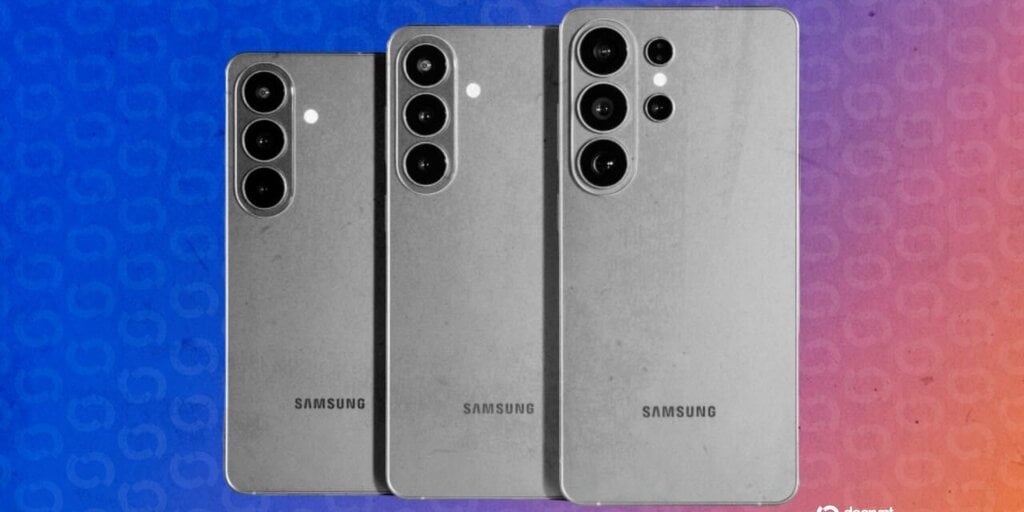
Samsung Electronics is making a bold move into the cryptocurrency remittance space by integrating USD Coin (USDC) into its native Samsung Wallet application. This strategic integration, set to roll out to 82 million eligible Galaxy devices in the United States starting in late October, aims to simplify and streamline cross-border payments for a massive user base. The company's head of its digital-wallet team, Woncheol Chai, emphasized the goal of making international money transfers as convenient as using the existing phone wallet, eliminating the need for users to install separate applications or manage private keys themselves. This initiative positions Samsung as a potential gateway for mainstream crypto adoption, by embedding a functional cryptocurrency service into a familiar and widely distributed consumer technology.
Solana and Sui
The underlying blockchain infrastructure for this ambitious remittance service will be provided by Solana and Sui. These networks are chosen for their ability to support high transaction volumes and low fees, crucial for a service aiming for mass adoption. By utilizing these blockchains, Samsung can offer zero-fee transfers to compatible external crypto wallets, a significant incentive for users. The partnership highlights the growing utility of these blockchain platforms beyond speculative trading, demonstrating their capability to power real-world financial applications. The integration also leverages Bastion for stablecoin infrastructure and Coinbase for custody, ensuring a robust and regulated framework for the service.
82 Million Galaxy Devices
The sheer scale of this integration, spanning 82 million Galaxy devices, is what truly sets this development apart. This massive user base represents a significant opportunity to push stablecoins beyond niche markets and into everyday financial transactions. The service allows eligible U.S. users to send USDC to compatible crypto wallets abroad or directly to bank accounts in over 60 countries, with recipients able to receive local currency payouts. This approach bypasses the traditional complexities of cryptocurrency, making it accessible even to those unfamiliar with digital assets. The IMF's recent report noting the robust expansion of stablecoin use in cross-border transactions due to low costs further validates this direction, suggesting that Samsung's move could be a harbinger of future integrations by other major tech players like Apple and Google.
Key points
- Samsung Wallet will enable USDC remittances for 82 million U.S. Galaxy users starting late October.
- The service utilizes Solana and Sui blockchains for zero-fee transfers to compatible crypto wallets.
- Recipients can receive local currency payouts in over 60 countries without needing a crypto wallet.
- Coinbase will provide custody services, and Bastion will manage stablecoin infrastructure.
- This move aims to simplify cross-border payments and drive mainstream adoption of stablecoins.
This integration could significantly accelerate the mainstream adoption of stablecoins for practical financial use cases, making cross-border remittances faster, cheaper, and more accessible for millions. It sets a precedent for other major tech companies to embed crypto functionalities into their existing platforms, further normalizing digital assets.
The success of this initiative hinges on regulatory approvals in various countries and user adoption, which could be hindered by potential technical glitches, security concerns, or a lack of understanding among the target demographic. Future expansion beyond the U.S. will heavily depend on navigating diverse local regulations.