Samsung Wallet Taps Solana for USDC Transfers on 82M US Galaxy Devices
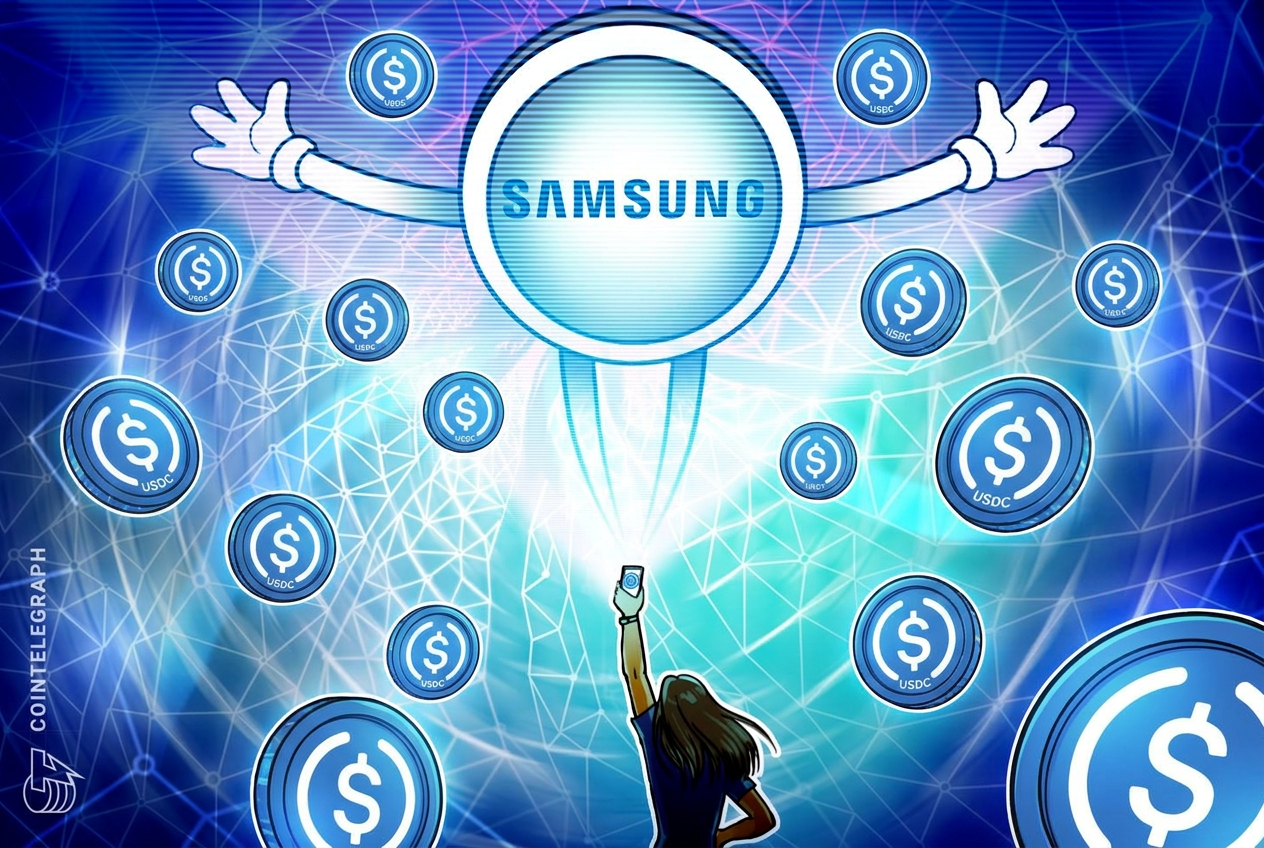
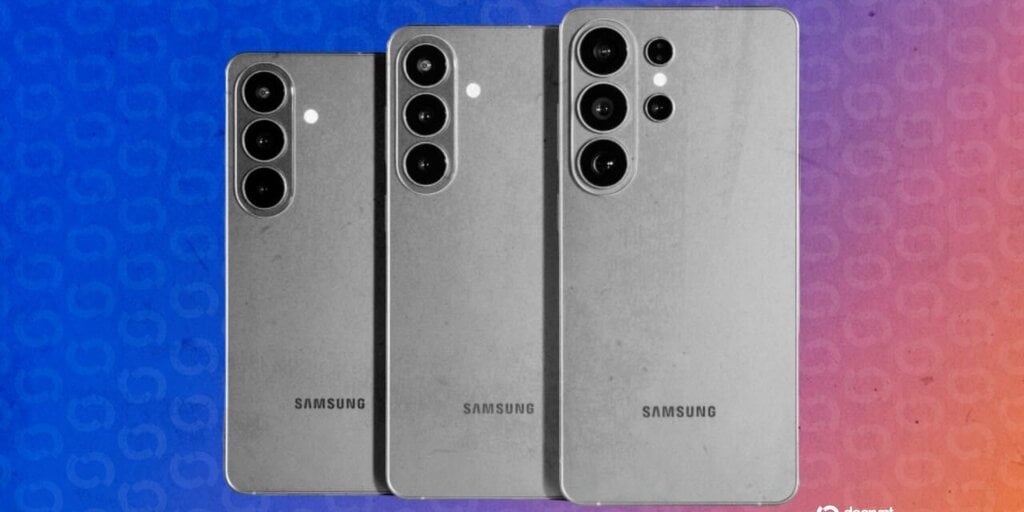
Samsung Wallet and Samsung Pay will support USDC stablecoin transfers on the Solana blockchain for 82 million U.S. Galaxy devices starting late October, enabling cross-border payments with built-in fiat conversion.
Intelligence analysis by Gemini 2.5 Flash
Samsung is integrating Circle's USDC stablecoin onto its Wallet and Pay platforms, leveraging Solana's blockchain infrastructure to facilitate fast, borderless money transfers for its vast U.S. user base, aiming to simplify crypto use for everyday transactions.
Imagine your phone can send digital dollars to someone far away, super fast, just like sending a text! Samsung is making it easy for millions of its phone users in the U.S. to do this using a special digital money called USDC and a speedy digital highway called Solana, so you don't need to be a tech wizard.
Analysis
Samsung's latest move to integrate USDC stablecoin transfers on the Solana blockchain into its Wallet and Pay services marks a pivotal moment for the mainstream adoption of digital assets. This initiative, set to launch in the last week of October, will initially reach an impressive 82 million U.S. Galaxy devices, effectively bringing a powerful decentralized finance tool to a vast, non-crypto-native audience. The strategic decision to leverage Solana's high-throughput, low-cost infrastructure for cross-border payments, coupled with built-in fiat on- and off-ramps, aims to demystify cryptocurrency for everyday users. This integration is not merely about adding another feature; it represents a significant step towards making stablecoins a practical, accessible alternative for global money transfers, bypassing the complexities often associated with traditional crypto tools and potentially challenging established remittance services.
82 Million
The sheer scale of this rollout, targeting 82 million U.S. Galaxy devices, underscores Samsung's commitment to embedding blockchain technology into its core mobile ecosystem. This expansive reach means that a substantial portion of the American smartphone user base will soon have direct access to stablecoin functionality without needing to download separate crypto wallets or navigate complex exchanges. The focus on simplifying the user experience, as highlighted by Woncheol Chai, head of Samsung Electronics' mobile digital wallet team, is crucial for overcoming the adoption barriers that have historically plagued cryptocurrency. By offering built-in conversion to and from local currency, Samsung is effectively creating a seamless bridge between traditional fiat and digital dollars, making the transition almost invisible to the end-user. This approach could significantly accelerate the normalization of stablecoin usage for everyday transactions and international remittances, positioning Samsung as a key enabler of Web3 technologies in the consumer electronics space.
Solana Foundation
The Solana Foundation's announcement emphasizes Solana's critical role as the underlying infrastructure for these stablecoin transfers. While operating "behind the scenes," Solana's network capabilities are central to the promise of faster and easier global money movement. The Foundation points to Solana's robust performance, noting that stablecoin supply on the network has increased by nearly 20% year-over-year, processing over $5.25 trillion in stablecoin volume in 2026. This demonstrates Solana's proven capacity to handle significant transactional loads, a prerequisite for a partnership of this magnitude. Furthermore, the article highlights Solana's existing enterprise adoption, citing PayPal, Western Union, and Visa as companies already utilizing USDC on Solana for various payment and settlement purposes. This track record of institutional engagement provides a strong validation for Samsung's choice, suggesting a reliable and scalable platform capable of supporting a massive influx of new users and transactions.
Woncheol Chai
Woncheol Chai's statement regarding the potential of stablecoins to make money movement faster and easier, without the complexity of traditional crypto tools, encapsulates Samsung's strategic vision. This move is a natural progression for Samsung, which first launched a blockchain wallet for Galaxy phones in 2019 and has steadily expanded its crypto support, including Stellar integration and hardware wallet connections. Last October, Samsung also integrated Coinbase into its Wallet for 75 million U.S. users, indicating a consistent strategy to broaden its digital asset offerings. The decision to partner with Solana and specifically use USDC aligns with a broader industry trend towards leveraging established stablecoins and efficient blockchains for real-world utility. This initiative not only enhances the value proposition of Samsung's Galaxy devices but also positions the company at the forefront of integrating decentralized finance into consumer technology, potentially setting a new standard for how mobile devices interact with the digital economy.
Key points
- Samsung Wallet and Samsung Pay will support USDC stablecoin transfers on Solana.
- The feature launches in late October on 82 million U.S. Galaxy devices.
- It enables cross-border payments with built-in fiat on- and off-ramps.
- Solana's infrastructure will operate "behind the scenes" for these transactions.
- This builds on Samsung's previous crypto integrations and Solana's growing enterprise adoption.
This move could significantly boost mainstream adoption of stablecoins and the Solana network, making cross-border payments faster and cheaper for millions of users. It positions Samsung as a leader in integrating digital assets into everyday consumer technology, potentially inspiring other tech giants to follow suit.
Potential challenges include regulatory hurdles in additional markets, user reluctance to adopt new financial tools, and the inherent volatility or security concerns associated with the broader crypto ecosystem. The article doesn't specify key management or transfer costs, which could impact user experience and adoption.