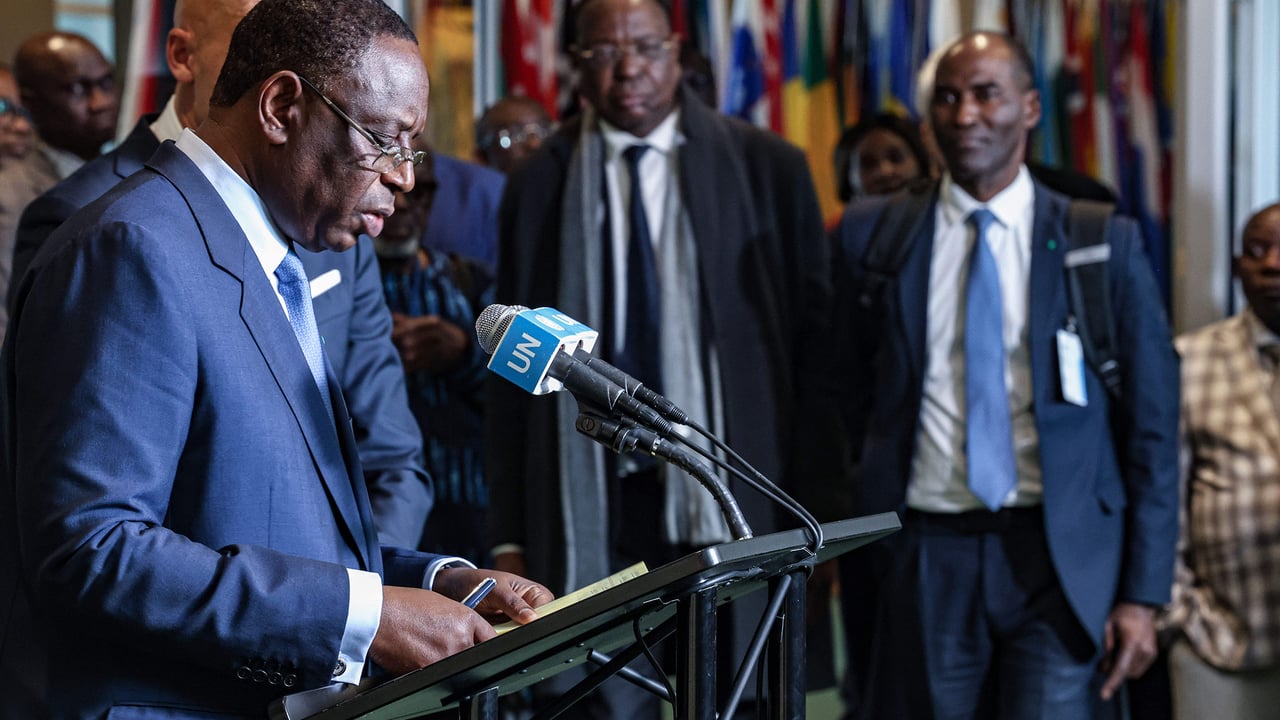
Sanwo-Olu warns Lagos residents against building on wetlands
Lagos State Governor, Babajide Sanwo-Olu, has cautioned residents and developers against constructing on wetlands and drainage channels, citing increased vulnerability to flooding and coastal erosion.
Intelligence analysis by Gemini 2.5 Flash

Governor Sanwo-Olu delivered this warning at the Nigerian Conservation Foundation's 20th annual Walk for Nature, emphasizing that Lagos's coastal location and growing population make wetland protection crucial for public safety. He outlined government measures, including a ban on single-use plastics and suspension of unapproved reclamation activities, to combat climate change and envi…
Imagine Lagos is like a big city built near the ocean, and it has special spongy areas called wetlands that soak up lots of rainwater, stopping the city from flooding. The governor is telling everyone not to build houses or roads on these sponges because if they do, the water won't have anywhere to go, and the city will get flooded more easily. He wants everyone to help protect these natural sponges so Lagos stays safe and dry.
Analysis
Lagos, a sprawling megacity, faces immense environmental pressures due to its rapid urbanization and unique geography. Governor Sanwo-Olu's stern warning against building on wetlands underscores a fundamental conflict between development aspirations and ecological preservation. The state's low-lying terrain and extensive coastline make it particularly susceptible to the effects of climate change, with wetlands serving as natural buffers against floods and coastal erosion. The destruction of these vital ecosystems not only exacerbates environmental risks but also threatens the livelihoods and safety of millions of residents.
Babajide Sanwo-Olu
Governor Babajide Sanwo-Olu, through his representative, articulated a clear stance on environmental protection, emphasizing that development in Lagos must adhere to strict drainage and environmental approval processes, including comprehensive environmental impact assessments. This policy position is crucial for ensuring sustainable growth in a city where informal settlements and unchecked construction often bypass regulatory frameworks. The governor highlighted specific actions taken by the state, such as the ban on styrofoam and other single-use plastics, which has been enforced since July 2025, and the suspension of reclamation activities lacking proper approvals since September 2025. These measures reflect a proactive approach to environmental governance, aiming to reduce pollution and protect natural habitats.
Beyond regulatory enforcement, the Lagos State government is also investing in critical infrastructure and natural solutions. This includes significant investments in drainage infrastructure, the restoration of mangrove ecosystems, and extensive tree planting initiatives. The development of parks and green spaces is also part of this strategy, designed to strengthen the state's natural defenses against the dual threats of flooding and rising urban temperatures. The governor's call for residents to participate by keeping refuse out of drains and promoting environmental responsibility among young people indicates an understanding that governmental action alone is insufficient without community engagement and behavioral change.
Nigerian Conservation Foundation
The Nigerian Conservation Foundation (NCF) plays a pivotal role in advocating for environmental protection in Nigeria, and its 20th annual Walk for Nature event served as a platform to amplify these critical messages. Hon. Justice R.I.B. Adebiyi, Chairman of the NCF National Executive Council, underscored Lagos's position at the forefront of Nigeria's climate vulnerability, citing rising sea levels, extreme heat, and significant wetland loss as immediate threats. The NCF's message is clear: nature conservation is not a luxury but an essential component of urban infrastructure, vital for the city's long-term survival and liveability. The Lekki Conservation Centre was highlighted as a successful example of how natural ecosystems can be preserved and integrated within a rapidly expanding urban environment, demonstrating that development and conservation can coexist.
Magodo Phase II Residents Association
The challenges of wetland protection are not merely theoretical but manifest in specific local conflicts, as exemplified by the situation involving the Magodo Phase II Residents Association. Earlier in October, the association appealed to Governor Sanwo-Olu to intervene and halt what they described as an unauthorized attempt by developers to construct link roads through their estate to access a protected wetland. This incident underscores the ongoing pressure on Lagos's remaining natural spaces and the vigilance required from both government and civil society to enforce environmental regulations. The presence of heavy-duty equipment near the Shangisha Gate, as reported by the association, indicates a tangible threat to a designated protected area, highlighting the constant battle against encroachment and illegal development that environmental authorities face.
Key points
- Lagos Governor Sanwo-Olu warned against building on wetlands and drainage channels due to increased flood vulnerability.
- Wetlands, mangroves, and lagoons are crucial natural defenses against floods and coastal erosion in Lagos.
- The state government has banned styrofoam and suspended reclamation activities without proper environmental approvals.
- Investments are being made in drainage infrastructure, mangrove restoration, and tree planting to strengthen natural defenses.
- The Nigerian Conservation Foundation emphasized that nature conservation is essential infrastructure for Lagos's survival.
The Lagos State government's commitment to environmental sustainability, evidenced by the ban on single-use plastics, suspension of unapproved reclamation, and investment in drainage infrastructure, could significantly improve the city's resilience to climate change. Increased public awareness and community participation, as encouraged by the governor and the NCF, could foster a culture of environmental responsibility, leading to better protection of vital wetlands and green spaces.
Despite the governor's warnings and policy initiatives, continued illegal construction on wetlands and drainage channels, driven by rapid urbanization and inadequate enforcement, could exacerbate flooding and coastal erosion in Lagos. This unchecked development risks overwhelming the city's natural defenses and infrastructure, leading to severe environmental degradation, displacement of communities, and increased public safety hazards.