UN Secretary-General: Macky Sall withdraws his candidacy
Former Senegalese President Macky Sall has withdrawn his candidacy for the next UN Secretary-General after a sixth indicative vote in the Security Council, citing a preference for a Latin American, possibly female, candidate.
Intelligence analysis by Gemini 2.5 Flash
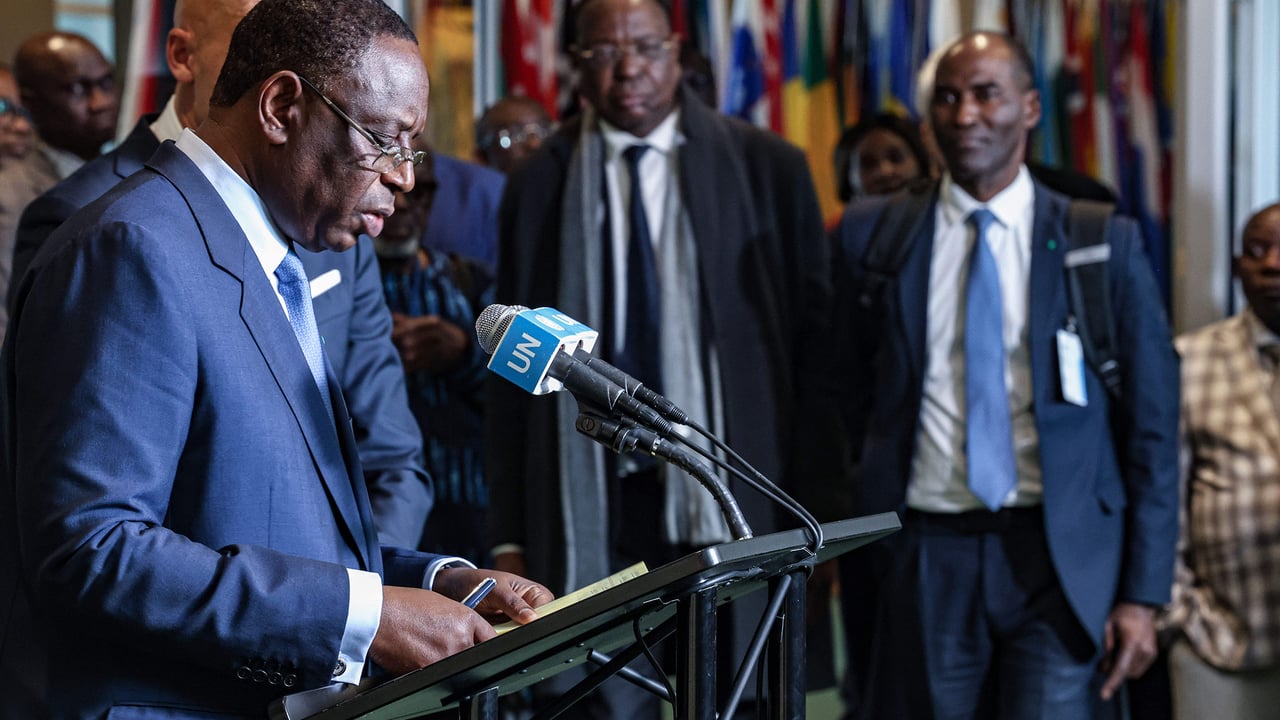
Macky Sall, the former president of Senegal, announced his decision to step down from the race for UN Secretary-General following a straw poll that indicated strong support for a candidate from Latin America and the Caribbean, and potentially a woman. His withdrawal comes after receiving only 5 favorable votes out of 15 and facing the threat of three potential vetoes from permanent Se…
Imagine a big club for all countries called the UN, and they need a new leader. Macky Sall, a former president from Senegal in Africa, wanted the job. But after a few secret votes, it looked like the club members preferred someone from South America, maybe even a woman. Also, some of the most powerful countries in the club hinted they might say 'no' to him. So, Macky Sall decided to step aside to help everyone agree on a new leader more easily.
Analysis
Macky Sall's Withdrawal
Former Senegalese President Macky Sall officially announced his withdrawal from the race for the next United Nations Secretary-General on October 17, following a series of indicative votes within the Security Council. Sall, who had been a prominent African candidate, made the decision from Marrakech, citing a "deep sense of responsibility" and a desire to facilitate a consensual choice. His statement on X indicated that the preliminary results consistently favored a candidate from the Latin American and Caribbean region, with a preference for a female candidate. This strategic withdrawal underscores the complex dynamics and regional considerations at play in the selection of the UN's top diplomat.
Security Council Dynamics
The decision by Macky Sall came just hours after the sixth straw poll, which revealed significant challenges to his candidacy. During this crucial vote, the Senegalese candidate secured only 5 favorable votes out of 15, a clear indication of insufficient support. More critically, he faced the threat of three potential vetoes from the permanent members of the Security Council. The use of colored ballots in this round allowed permanent members to signal their intent to veto, effectively highlighting the insurmountable obstacles Sall faced. This outcome underscores the immense power wielded by the permanent members in shaping the leadership of the global body and the difficulty for candidates lacking broad consensus.
Succession to António Guterres
Macky Sall's withdrawal marks him as the second candidate to step aside in the process to succeed António Guterres, whose term concludes in January 2027. The article notes that Michelle Bachelet of Chile had previously withdrawn her candidacy. Sall expressed gratitude to President Évariste Ndayishimiye of Burundi, who sponsored his bid, and President Bassirou Diomaye Diakhar Faye of Senegal, who supported it. He emphasized Africa's critical role in global peace, security, and development, advocating for the continent to continue its efforts to gain its rightful place in global governance. The ongoing selection process continues to seek a leader capable of navigating complex international challenges, with a clear regional and gender preference emerging from the indicative votes.
Key points
- Former Senegalese President Macky Sall withdrew his candidacy for UN Secretary-General.
- His decision followed a sixth indicative vote where he received only 5 favorable votes and faced three potential vetoes.
- Sall cited a preference for a candidate from Latin America and the Caribbean, possibly female, as indicated by test votes.
- He thanked the Presidents of Burundi and Senegal for their sponsorship and support.
- Sall is the second candidate, after Michelle Bachelet, to withdraw from the succession process for António Guterres.
Macky Sall's withdrawal could pave the way for a more consensual candidate, potentially from Latin America and the Caribbean, which might foster greater unity within the Security Council. His emphasis on Africa's continued voice in global governance suggests ongoing efforts to ensure the continent's representation and influence in international affairs.
The withdrawal of a prominent African candidate like Macky Sall, especially after facing veto threats, could be seen as a setback for Africa's aspirations for higher representation in top global leadership roles. It highlights the persistent challenges African candidates face in securing broad support among powerful nations in the UN Security Council.

