Senegal soccer chief blames coach's salary demand for World Cup exit
Senegal's football federation president, Abdoulaye Fall, has blamed coach Pape Thiaw's salary demands and a subsequent "breakdown in trust" for the national team's early exit from the World Cup.
Intelligence analysis by Gemini 2.5 Flash
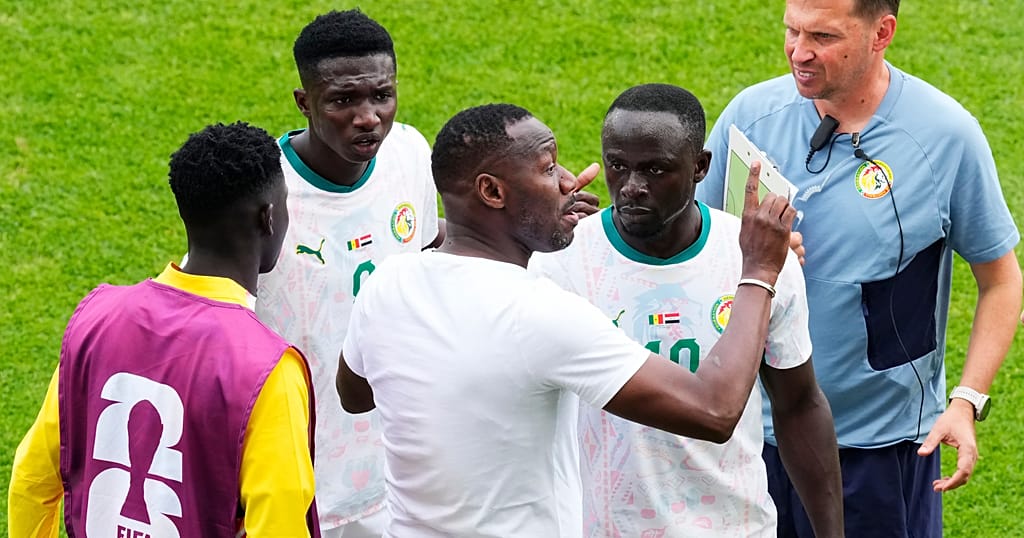
The Senegalese football federation (FSF) president, Abdoulaye Fall, stated that a dispute over coach Pape Thiaw's pay rise created a "toxicity" around the team, ultimately leading to their World Cup elimination in the last 32 and Thiaw's subsequent sacking. The conflict reportedly escalated to a point where Thiaw threatened not to travel, requiring intervention from President Bassirou…
Imagine your school soccer team lost a really important game, and the coach got fired. The boss of the soccer team said it was because the coach wanted more money right before the big tournament, which made everyone feel bad and messed up the team's focus. Even the country's president had to step in to make sure the coach went to the game!
Analysis
The Genesis of a Toxic Environment
Senegal's football federation president, Abdoulaye Fall, has offered a candid explanation for the national team's disappointing performance at the recent World Cup, pointing directly to a contentious salary dispute with former coach Pape Thiaw. According to Fall, Thiaw's demand for a pay rise created a "breakdown in trust" between the coach and the federation, fostering a "toxicity" that permeated the team's environment. This internal conflict reportedly began with the failure to sign a new contract, setting a negative tone even before the tournament commenced.
Thiaw, who was appointed in 2024, had already led the West African nation to a disputed continental title earlier in the year, a victory later overturned by the Confederation of African Football. Despite this prior success, the financial disagreement appears to have overshadowed preparations for the World Cup, suggesting a deeper issue within the team's management and contractual arrangements. The public nature of Fall's accusations indicates a desire to clarify the reasons behind the team's underperformance and the coach's dismissal.
World Cup Disappointment and Presidential Intervention
The internal strife culminated in a dramatic threat by Pape Thiaw not to travel to the World Cup if his demands were not met. This critical juncture necessitated the intervention of Senegalese President Bassirou Diomaye Faye, who reportedly convinced Thiaw to join the team on the day of their departure for the United States. Such high-level political involvement underscores the national importance placed on the team's participation and the severity of the crisis.
Despite the eleventh-hour resolution, the team's performance in the tournament was lackluster. Senegal narrowly avoided group stage elimination after losses to France and Norway, before ultimately being knocked out in the last 32 by Belgium. The defeat was particularly galling, as Senegal had held a 2-0 lead with only five minutes remaining in regulation time, suggesting a collapse in focus or morale that could be linked to the underlying tensions.
Implications for Senegalese Football
The sacking of Pape Thiaw following the World Cup exit and the public disclosure of the salary dispute raise significant questions about the stability and future direction of Senegalese football. The federation's decision to air these grievances publicly could be an attempt to manage public perception and justify the coaching change, but it also exposes internal vulnerabilities. The ongoing appeal to the Court of Arbitration for Sport regarding the overturned continental title further complicates the narrative, painting a picture of a federation grappling with multiple challenges.
Moving forward, the FSF will need to carefully consider how to rebuild trust, both internally and with the public. Attracting a new coach who can unify the team and navigate potential financial constraints will be crucial. The incident serves as a cautionary tale about the potential for contractual disagreements to derail national sporting ambitions, even with presidential intervention, and highlights the need for clear, stable management within football federations.
Key points
- FSF President Abdoulaye Fall blamed coach Pape Thiaw's salary demands for Senegal's World Cup exit.
- Thiaw was sacked after the team's last-32 elimination by Belgium on July 1.
- The dispute created a "breakdown in trust" and led to Thiaw threatening not to travel to the World Cup.
- Senegalese President Bassirou Diomaye Faye intervened to convince Thiaw to travel.
- Senegal also had a continental title victory overturned earlier in the year, which they are appealing.
By addressing the perceived source of "toxicity" and making a swift coaching change, the Senegalese football federation could now focus on rebuilding team cohesion and morale, potentially leading to a more unified and successful future for the national squad.
The public blame game and revelation of internal disputes could further destabilize Senegalese football, making it challenging to attract top coaching talent and potentially eroding fan confidence in the federation's ability to manage the team effectively.